

Kosovo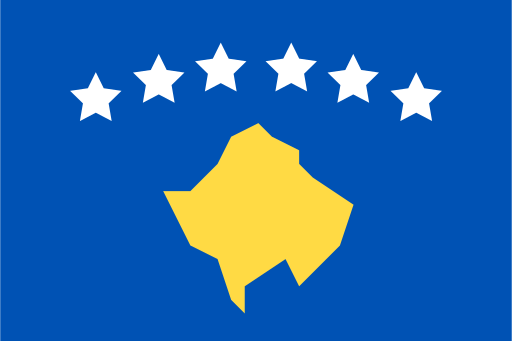
Foto von qiv, CC BY-SA 2.0, über Wikimedia Commons
Überblick
Die Republik Kosovo, kurz der/das Kosovo (albanisch Kosovë/Kosova, serbisch Косово Kosovo), ist eine Republik in Südosteuropa auf dem westlichen Teil der Balkanhalbinsel. Sie hat etwa 1,8 Millionen Einwohner, die Kosovaren genannt werden, und gilt als ein De-facto-Staat oder weiterhin stabilisiertes De-facto-Regime. Die Hauptstadt und größte Stadt des Kosovo ist Pristina. Kosovo war eine autonome Region innerhalb der ehemaligen Sozialistischen Föderativen Republik Jugoslawien, ab dem 26. April 1992 Bestandteil der neu konstituierten föderativen Bundesrepublik Jugoslawien und ab 2003 eine Teilregion der Republik Serbien. Die jüngere Geschichte ist durch den Kosovokrieg von 1999 und dessen Folgen geprägt. Der gegenwärtige völkerrechtliche Status des Landes ist umstritten. Am 17. Februar 2008 proklamierte das Parlament die Unabhängigkeit des Territoriums.
Text aus Wikipedia, Lizenz CC BY-SA.
Wohin in Kosovo

Pristina
Kosovo
Germia Park
Kosovo
Gjakova
Kosovo
Patriarchate of Peć
Kosovo
Prizren
Kosovo
Peja
Kosovo
Kosovo Polje
Kosovo
Ulpiana
Kosovo
Hoçë e Madhe
Kosovo
Gjilani
Kosovo
Mitrovica
Kosovo
Visoki Dečani
Kosovo
Skenderaj
Kosovo
Bogë
Kosovo
Istog
Kosovo
Lipjan
Kosovo
Viti
Kosovo
Kamenica
Kosovo
Obiliq
Kosovo
Bjeshkët e Nemuna National Park
Kosovo
Mirusha waterfalls
Kosovo
Podujeva
Kosovo
Drenas
Kosovo
Klinë
Kosovo
Vushtrri
Kosovo
Sharr Mountains National Park
Kosovo
Ferizaj
Kosovo
Shtime
Kosovo
Novo Brdo Fortress
Kosovo
Dragash
Kosovo
Junik
Kosovo
Marble Cave
Kosovo
Deçan
Kosovo
Rugova Canyon
Kosovo
Kaçanik
Kosovo
Novo Brdo
Kosovo
Gazivoda Lake
Kosovo
Zubin Potok
Kosovo
Suhareka
Kosovo
Geheimtipps
Weniger bekannte Orte abseits der großen Städte von Kosovo, die Reisende auf Wikivoyage empfehlen: Dörfer, Nationalparks und ruhige Ecken. Die Kurzbeschreibungen stammen aus diesen Listen (CC BY-SA).

Rahovec
29 Orte eingetragen
A largely rural region known for vineyards and wine-making

Rugova Mountains
16 Orte eingetragen
Rugova is a mountain region located to the north-west of the city of Peja, in Kosovo. In 2013, it was designated a national park by the Parliament of Kosovo.

Gračanica
12 Orte eingetragen
Gračanica or Graçanicë, is a town and municipality located in Pristina District in Kosovo. As of 2024, the town has a population of 18,486 inhabitants.

Brezovica
11 Orte eingetragen
A ski centre

Prevalla
7 Orte eingetragen
Prevalla is a ski resort and touristic village which approximately is 30 km (19 mi) away from Prizren, Kosovo and about twelve kilometers from Brezovica, the largest ski center in Kosovo.

Brod
2 Orte eingetragen
Brod is a village in the municipality of Dragash in southern Kosovo. It is part of the District of Prizren and of the region called Gora. The majority of people are Gorani. Brod is a big village with 900 houses.
Feiertage
Landesweite Feiertage in Kosovo in den nächsten zwölf Monaten. Büros, Banken und viele Geschäfte schließen, Verkehr und Unterkünfte sind voller. Regionale Feiertage und lokale Feste sind nicht enthalten, und Feiertage nach dem Mondkalender können sich um einen Tag verschieben.
- Weihnachten · Krishtlindja
- Neujahr · Viti i Ri
- Orthodox Christmas · Krishtlindjet Ortodokse
- Unabhängigkeitstag · Dita e Pavarësisë
- Zuckerfest · Fitër Bajrami
- Ostersonntag · Pashkët Katolike
- Tag der Verfassung · Dita e Kushtetutës
- Tag der Arbeit · Dita Ndërkombëtare e Punonjësve
- Orthodox Easter · Pashkët Ortodokse
- Europatag · Dita e Evropës
- Opferfest · Kurban Bajrami
Daten aus dem Projekt date-holidays, größtenteils nach Wikipedia (CC BY-SA 3.0). Die Namen stehen in deiner Sprache, wo es eine Übersetzung gibt. Prüfe vor Ort, bevor du deine Reise danach planst.
Unterwegs in Kosovo
Dieser Teil ist auf Englisch, so wie er auf Wikivoyage steht.
Unterwegs im Land
By bus. The best way to travel intercity in Kosovo is by bus. The buses are relatively cheap and comfortable (for example from Pristina to Peja is €4), with discounts available for students. Payment is usually made on the bus to a representative of the bus company coming around once the journey has started - you may or may not receive a physical ticket, depending on the company. However, tickets for crossing the border can be bought in the bus station in Pristina and with travel agency in Prishtina or Prizren. The latter sometimes gives you the opportunity for a slight discount, in case you know the actual fare (see Gjirafa). Between some cities you may also have the option of minivans, running from nearby the main bus station. These leave when full and are usually a similar price to the regular buses. For major regional (but also country crossing) bus connections see Gjirafa for times and prices. It won't cover minibuses though, which also run but mostly between or to and from smaller towns.
By train. The only connections as of May 2026 are two daily trains from Pristina to Peja which are a comfortable way to make this journey (€3). The timetable is available at the Kosovo Railways website.
By car. Major highway construction throughout the 2010s has significantly reduced car travel times between major cities, and further road building and improvements are underway.
By taxi. It is best to use registered taxis as they have fixed prices and are metered.
Geld und Kosten
Money. Credit/debit cards are widely accepted, but keep cash just in case Money exchange is available in most cities and larger towns.
In Serbian-majority municipalities. The Serbian dinar is used in the Serbian-majority municipalities in Kosovo. Exchange offices are found almost everywhere. Note that in these locations while euro are accepted generally, all prices are listed in dinars.
Souvenirs. There are many options: From fine handcrafted Filigree silver to traditional Albanian wool hats (a plis) and musical instruments (the stringed ciftelia). Local food and drink specialties to take home could include honey, raki, a high strength alcohol distilled from fruit, ajvar, a pepper based spread or feferona, spicy local peppers.
Tipping. In Kosovo generally tipping is not expected from locals, but as it is done by foreigners, it is welcome. In more upmarket venues it might be more likely for tipping to be expected. In taxis you can tip to the nearest euro or half euro.
Sprache
Most people in Kosovo speak Albanian, while in Serb-majority areas, such as the north, Serbian is spoken - both are official languages and appear on road signs, etc. Young people, particularly in the major cities such as Pristina and Prizren, are likely to understand English, whereas the older generation are more likely to understand German. Turkish can be useful, and the Turkish minority which is concentrated mainly in Prizren speaks both Turkish and Albanian.
Telefon und Internet
You can buy a local SIM card for €3, with the two major carriers being Vala and Ipko. You must provide an ID (passport) and register. Many mobile providers in the Balkans provide free roaming across Balkan countries. So, in case you are planning to cross the border, ask on how to use the local SIM card in other Balkan countries. For instance, a One.al SIM card from Albania works flawlessly in North Macedonia and Kosovo with a regular Albanian package. Most bars, cafes and restaurants have free Wi-Fi connection that customers can use.
Sicherheit
People in general are friendly and hospitable to tourists and you generally do not need to worry about crime. Since the end of the war, more than 200,000 international workers from over the world have worked in Kosovo and local people are used to foreigners. Don't let the politics stop you from visiting; tensions have risen now and then since the turn of century, but nearly all have been in the divided city of Mitrovica in the north of Kosovo. There is an international 5,000-person NATO peacekeeping force (a reinforcement was sent in June 2023). Like in much of the Balkans, land mines were heavily used during the Yugoslav wars. Mines were a major problem in Kosovo in the first four years after the war with major cleanup efforts following that. There have been years since any incident has been reported. Most of the mined areas are places where conflict took place (rural Central Kosovo and the Kosovo–Albania border region). Most hiking and camping takes place in areas where the war did not occur, like the Sharr mountains, where there is a ski and camping resort. As with the region as a whole, homophobia is fairly widespread with tolerance varying whether it's urban or rural area, and public displays of affection being not as common as in the West. Kosovo is rebuilding, and some of the city roads now are new, but if you are driving, you still must be on the lookout for large potholes. Manhole covers are often missing due to theft, posing a serious safety risk.
Aus dem Wikivoyage-Reiseführer, geschrieben von Reisenden (CC BY-SA), gekürzt. Für Einreise, Visa, Gesundheit und die aktuelle Sicherheitslage gelten immer die offiziellen Reisehinweise deiner Regierung (oben verlinkt).