

Tailandia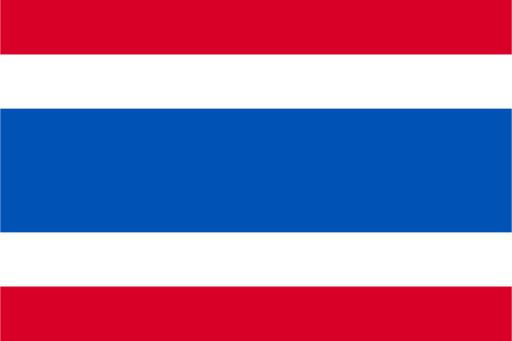
Foto de Preecha.MJ, CC BY-SA 4.0, vía Wikimedia Commons
Resumen
Tailandia (en tailandés, ประเทศไทย), oficialmente denominado Reino de Tailandia (en tailandés, ราชอาณาจักรไทย, Rāch xāṇācạkr thịy), es un país ubicado en el Sudeste Asiático. Su capital y ciudad más poblada es Bangkok, centro de la actividad política, comercial e industrial. Está ubicado al este de la subregión del Sudeste Asiático, limitando al este con Laos (gran parte de esta frontera la forma el río Mekong), al sureste con Camboya y el golfo de Tailandia, al sur con Malasia y al oeste con el mar de Andamán y Birmania. Posee una extensión de 513 120 km² y unos 71 600 000 de habitantes en 2021 (20.º país más poblado del mundo), lo que supone una densidad de población de unos 128 hab./km².
Texto de Wikipedia, con licencia CC BY-SA.
Adónde ir en Tailandia


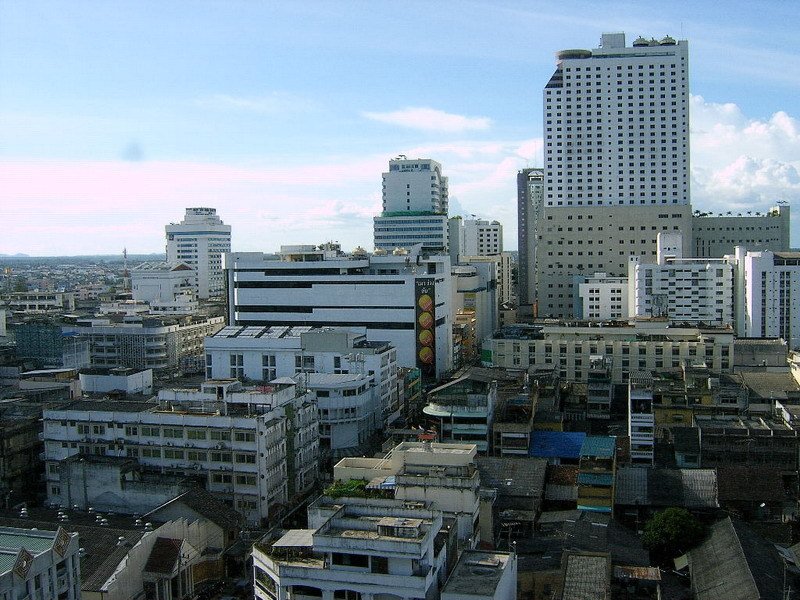


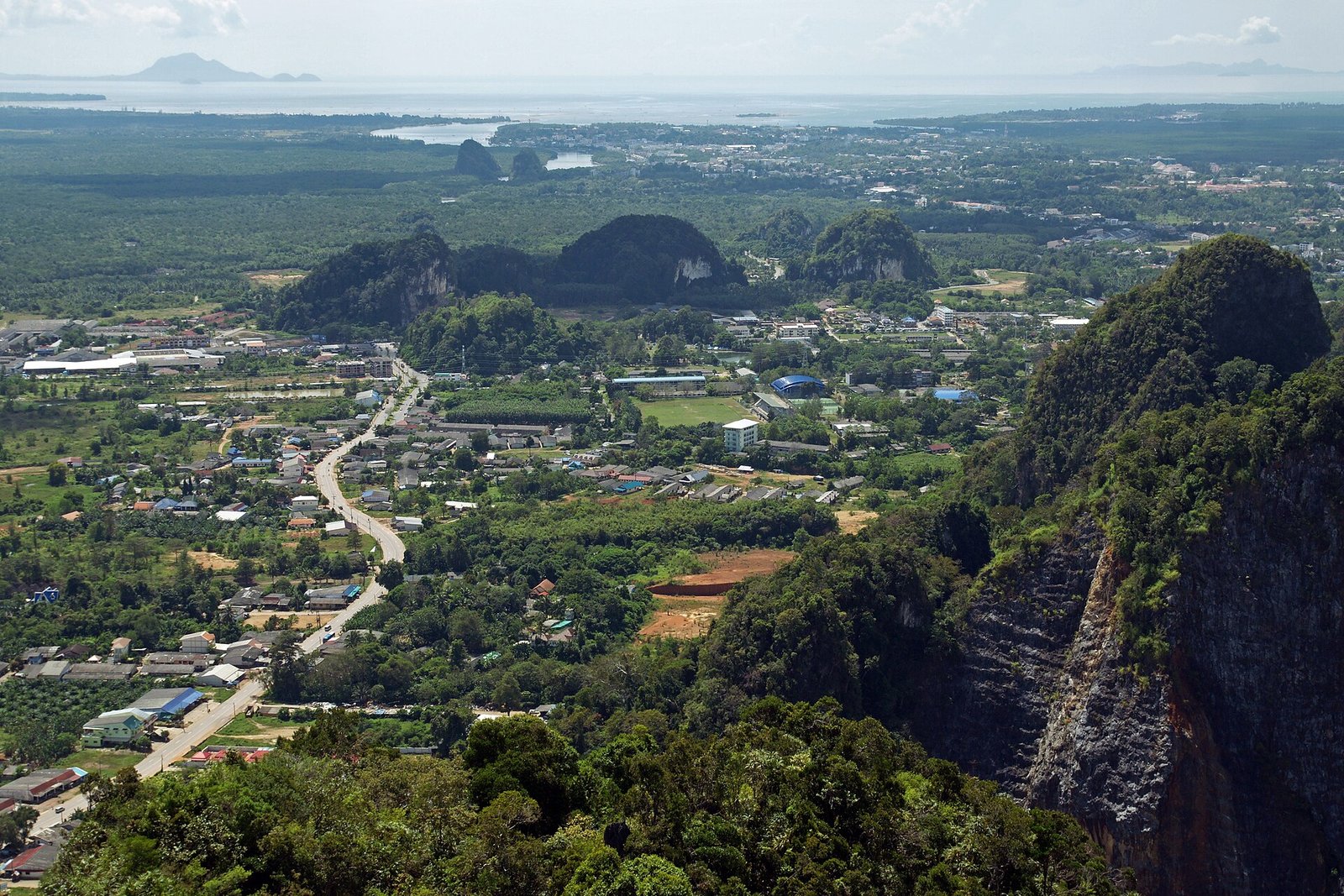
Joyas escondidas
Lugares menos conocidos que los viajeros de Wikivoyage recomiendan más allá de las grandes ciudades de Tailandia: pueblos, parques nacionales y rincones tranquilos. Las descripciones breves proceden de esas listas (CC BY-SA).

Hua Hin
66 lugares en la lista
The fifteen-tiered Pala-u falls make a steep jungle trek

Khao Lak
56 lugares en la lista
Resort region in Phang Nga Province

Ko Tao
52 lugares en la lista
Small island neighbour of Ko Samui, one of the best places in Thailand for diving

Ko Lanta
51 lugares en la lista
Sleepy island, the new escape for those who find Ao Nang/Rai Leh too touristy

Ko Phi Phi
49 lugares en la lista
Thailand's largest marine national park and backpacker favourite where The Beach was filmed

Ko Pha-ngan
48 lugares en la lista
Site of the famous Full Moon Party with miles of quiet coastline

Ko Chang
39 lugares en la lista
Once a quiet island, now undergoing major tourism development

Ko Samet
38 lugares en la lista
The nearest island beach escape from Bangkok

Khao Sok National Park
36 lugares en la lista
One of the most beautiful wildlife reserves in Thailand

Ko Lipe
33 lugares en la lista
Small island in the middle of Tarutao National Park, with great reefs and beaches

Khanom
31 lugares en la lista
Spoiled fishing village with some little-visited beaches

Ko Kut
29 lugares en la lista
Unspoiled and relatively unknown island near Ko Chang

Rai Leh
27 lugares en la lista
A peninsula with stunning limestone cliffs, beaches and no motor vehicles, rock climbing destination

Ko Yao
25 lugares en la lista
Ko Yao is a district (amphoe) in Phang Nga province in Thailand's south.

Mae Salong
23 lugares en la lista
Founded by Chinese Nationalist soldiers who were expelled from Myanmar in 1961

Ko Racha
21 lugares en la lista
Two islands (Yai and Noi), popular with scuba divers and a relaxing snorkelling destination

Betong
20 lugares en la lista
Town on the border with Malaysia, on the road from Yala

Ko Lan
16 lugares en la lista
Small island 7.5 kilometers off the coast of Pattaya

Ko Kret
15 lugares en la lista
Rustic little pottery island to the north of Bangkok

Doi Inthanon National Park
14 lugares en la lista
Thailand's highest mountain, beautiful and cool

Ko Chang
14 lugares en la lista
Small and peaceful island near Ranong

Phimai
13 lugares en la lista
Some of the most important Khmer architecture in Thailand

Ko Phayam
12 lugares en la lista
Ko Phayam is a small island in the Andaman Sea, located off the coast of southwestern Thailand near the border with Myanmar. With a land area of about 2.23 square kilometers and a maximum length of 8 kilometers.

Ko Sichang
12 lugares en la lista
The island that tourism (almost) forgot
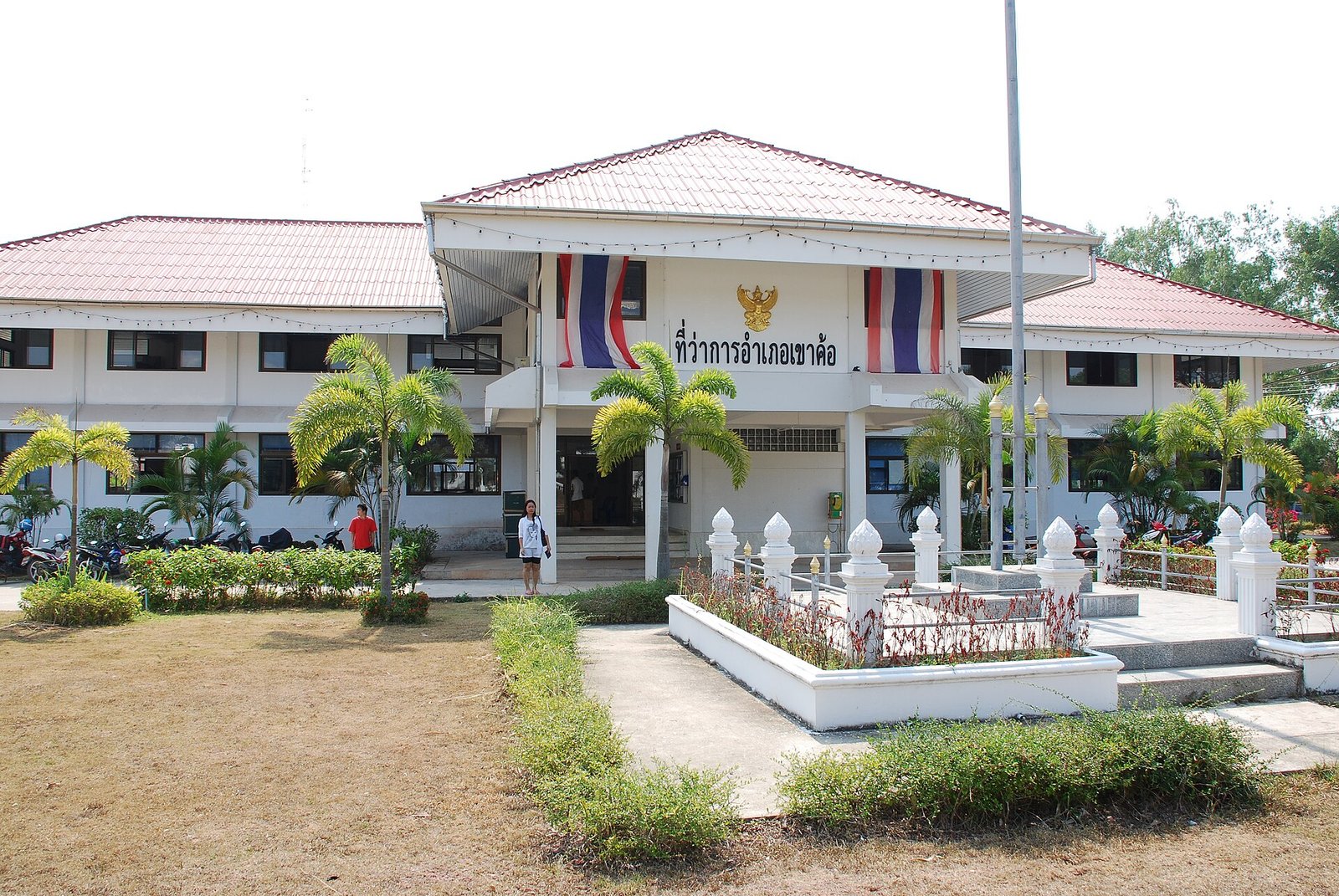
Khao Kho
11 lugares en la lista
Mountainous area with unusual Buddhist temples

Khao Sam Roi Yot National Park
10 lugares en la lista
Khao Sam Roi Yot National Park is a marine national park in Kui Buri District, Prachuap Khiri Khan Province, Thailand. It covers 61,300 rai ~ 98 square kilometres (38 sq mi) of which 13,050 rai ~ 21 square kilometres (8.1 sq mi) are marine areas. The park was established in 1966, and was the first coastal national park of Thailand. The park includes Thailand's largest freshwater marsh.

Doi Ang Khang
9 lugares en la lista
Mountain resort northwest of Chiang Mai

Khao Yai National Park
8 lugares en la lista
Take a night time Jeep safari spotting deer or visit the spectacular waterfalls

Mae Sai
8 lugares en la lista
Thailand's northernmost town, daytrips to Myanmar

Pattani
8 lugares en la lista
Small beach village at the border with Malaysia

Ko Muk
7 lugares en la lista
Closest and most easily accessible island from Trang

Phu Toei National Park
7 lugares en la lista
Has rugged mountain ranges, with its highest peak, Khao Thewada, reaching 1,123 m

Khao Lampi-Hat Thai Mueang National Park
6 lugares en la lista
Khao Lampi–Hat Thai Mueang National Park is a national park in Phang Nga Province, Thailand. The park is named for its two separate sections: Khao Lampi named for the park section containing Lampi mountain range and Hat Thai Mueang, the beach section of the park.

Ko Mak
6 lugares en la lista
Island with white beaches that is shaped like a cross

Doi Tung
5 lugares en la lista
Royal villas and a mountaintop temple with stunning views and (supposedly) the Buddha's collarbone

Ko Jum
5 lugares en la lista
Peace & quiet for those looking for solitude

Ko Ngai
5 lugares en la lista
Part of Krabi Province, but easier to reach from Trang

Nang Rong
5 lugares en la lista
Beautiful Khmer temples and one of the top attractions in Isaan

Sadao
5 lugares en la lista
Border crossing with Malaysia

Thaton
5 lugares en la lista
Small village with good guest houses

Golden Triangle
4 lugares en la lista
An area where the borders of Thailand, Laos, and Myanmar meet

Similan Islands
4 lugares en la lista
National park with spectacular views over and under water

Amphawa
3 lugares en la lista
Lively floating market near Samut Songkhram

Ramkhamhaeng National Park
3 lugares en la lista
Ramkhamhaeng National Park is a national park in Thailand.

Bang Pa-In
2 lugares en la lista
Eccentric royal palace to the south of Ayutthaya

Chiang Khan
2 lugares en la lista
See an amazing temple, laze around, looking at Laos

Ko Poda
2 lugares en la lista
Known by tourists as "4 islands", it is an archipelago nearby Ao Nang and Rai Leh

Thungyai-Huai Kha Khaeng Wildlife Sanctuaries
2 lugares en la lista
The largest protected area in Southeast Asia, listed as a UNESCO World Heritage Site in 1991

Ao Phang Nga National Park
1 lugar en la lista
Famous for its limestone cliffs, caves, mangroves, fishing villages, and James Bond Island

Damnoen Saduak
1 lugar en la lista
Picture-perfect floating market on tourist steroids

Jom Jang
1 lugar en la lista
Small village near Nong Khai

Kaeng Krachan National Park
1 lugar en la lista
Kaeng Krachan National Park is the largest national park of Thailand. It is on the border with Burma, contiguous with the Tanintharyi Nature Reserve. It is a popular park owing to its proximity to the tourist town of Hua Hin. It was named a UNESCO World Heritage Site on 26 July 2021, despite concerns from the OHCHR around the human rights violations of the indigenous people that live in the park.

Ko Bon
1 lugar en la lista
10 minutes from Rawai, an ideal island for a day of snorkelling and relaxing

Ko Hae
1 lugar en la lista
15 minutes by speedboat from Chalong Bay, accessible all year

Ko Nang Yuan
1 lugar en la lista
Tiny island near Ko Tao

Kui Buri National Park
1 lugar en la lista
Kui Buri National Park is a national park of Thailand in the Tenasserim Hills in Prachuap Khiri Khan Province. It was established as the 90th national park in March 1999.

Namtok Chet Sao Noi National Park
1 lugar en la lista
Namtok Chet Sao Noi National Park is a national park in Thailand, with a total area of 26,238 rai ~ 42 square kilometres (16 sq mi) covering Muak Lek district, Wang Muang district, Saraburi province and Pak Chong district, Nakhon Ratchasima province.

Padang Besar
1 lugar en la lista
Border crossing with Malaysia by railway

Phon Phisai
1 lugar en la lista
A village nearby Nong Khai

Phu Kradueng National Park
1 lugar en la lista
A national park that protects Phu Kradueng mountain, a mesa that rises 1,000 meters above the surrounding valleys. Hiking trails in the park lead to overlooks and past waterfalls.

Ang Thong National Marine Park
Aún no hay lugares en la lista
Archipelago of 60 or so islands NW of Ko Samui

Ko Adang
Aún no hay lugares en la lista
Ko Adang is the second biggest island within Tarutao National Marine Park, in Thailand, very close to the much more developed island of Ko Lipe. The island is 6 km long and 5 km wide. The highest point on the island is 690 m.

Ko Tarutao
Aún no hay lugares en la lista
Ko Tarutao is the largest island of the Tarutao National Park in Satun Province of southern Thailand. The island is 26 km (16 mi) long and 11 km (7 mi) wide. It is one of the most unspoiled islands in Andaman Sea and in all of Thailand. Ko Tarutao is located about 10 km (6 mi) north of Langkawi Island in Malaysia. The Malay word tertua or tarutao means old and primitive.

Mu Ko Surin National Park
Aún no hay lugares en la lista
The Surin Islands is a continental archipelago of five islands in the Andaman Sea, 55 kilometres (34 mi) from the Thai mainland. Administratively, the islands are part of Tambon Ko Phra Thong, Khura Buri district, in Phang Nga province, Thailand.

Phu Chi Fa
Aún no hay lugares en la lista
One of the highest peaks of Northern Thailand, offering outstanding views

Si Thep
Aún no hay lugares en la lista
A world heritage listed archaeological site

Than Sadet-Ko Pha Ngan National Park
Aún no hay lugares en la lista
Than Sadet–Ko Pha-ngan is a national park in southern Thailand, with an area of 26,866 rai ~ 43 km2 (17 sq mi) mostly on the island Pha-ngan. The park was established on 22 November 2018. It covers parts of the 65 km2 (25 sq mi) Ko Pha-ngan island.

Three Pagodas Pass
Aún no hay lugares en la lista
The famous pass between Thailand and Myanmar
Sathing Phra
5 lugares en la lista
Wildlife refuge near Songkhla
Ko Bulon Leh
4 lugares en la lista
Ko Bulon Leh is a small island and resort village in Satun Province, near the Tarutao National Marine Park, on the Andaman (west) coast of the south Thailand.
Ao Luek
3 lugares en la lista
Some caves here well worth a visit.
Tak Bai
3 lugares en la lista
Border town in Narathiwat Province, close to Kota Bahru in Malaysia
Ko Lon
2 lugares en la lista
Quiet, mostly Muslim island with a few bungalows
Ko Phra Thong
2 lugares en la lista
Ko Phra Thong is an island in Khura Buri District, Phang Nga Province, southern Thailand on the Andaman Sea. It has an area of 88 square kilometres (34 sq mi) and is separated from the mainland by a seven-metre-deep (23 ft) canal. The nearest town is Khura Buri, on the mainland about 10 km (6.2 mi) east.
Khao Phra Thaeo Non-Hunting Area
1 lugar en la lista
Phuket's last significant virgin rain forest
Ko Mai Thon
1 lugar en la lista
Gorgeous little island with only one (expensive) place to stay
Ko Por
1 lugar en la lista
An eco-tourism place near the island of Ko Lanta
Ko Sak
1 lugar en la lista
Small island near Pattaya
Ko Siboya
1 lugar en la lista
Rural Thailand with a difference
Lang Suan
1 lugar en la lista
For nature lovers
Ko Sire
Aún no hay lugares en la lista
Sea Gypsy colony, connected to the mainland by a causeway
Sam Phan Bok
Aún no hay lugares en la lista
Sam Pan Bok also known as the "Grand Canyon of Thailand" is a seasonal attraction and the biggest rock reef in the Mekong River. Sam Phan Bok is a group of sandstone that has been eroded by streams from the Mekong River every rainy season until this area now has more than 3,000 bok with countless basins and potholes. It is located 700 km from Bangkok. Sam Phan Bok translates as '3,000 shallow lakes'. It is in northeastern Thailand (Isan), on the bank of the Mekong. Administratively, it is in Baan Phong Pao, Lao Ngam Sub-district, Pho Sai District, Ubon Ratchathani Province. The holes in the sandstone rocks had developed over millions of years. There are different sections of Sam Phan Bok including Hat Hong, Pak Bong and Lak Sila Lek.
Días festivos
Festivos nacionales en Tailandia en los próximos doce meses. Cierran oficinas, bancos y muchas tiendas, y el transporte y el alojamiento se llenan más. No se incluyen los festivos regionales ni las fiestas locales, y los festivos que siguen la luna pueden moverse un día.
- King Bhumibol Adulyadej's Birthday
- Constitution Day
- Fin del Año · New Year's Eve
- Año Nuevo · New Year's Day
- Chakri Memorial Day
- Songkran Festival
- Songkran Festival
- Songkran Festival
- Coronation Day
- Queen Suthida's Birthday
- King's Birthday
- The Queen Mother's Birthday
- King Bhumibol Adulyadej Memorial Day
- King Chulalongkorn Day
Fechas del proyecto date-holidays, basado en gran parte en Wikipedia (CC BY-SA 3.0). Los nombres aparecen en tu idioma cuando existe una traducción. Compruébalo en el lugar antes de planificar en torno a un festivo.
Viajar por Tailandia
Esta parte está en inglés, tal como está escrita en Wikivoyage.
Moverse por el país
Thailand is a large country, but the good news is that there are plenty of affordable and comfortable ways to get around. Domestic flights are a good option for lengthy trips like Bangkok to Phuket or Chiang Mai, with very competitive fares on the main routes if booked in advance, while plush VIP intercity buses ply the highways to every city of any size and there's a reasonable train network as well. Renting a car or motorbike to drive yourself is a more questionable proposition, since while the road network is quite good, Thailand's traffic safety record has a lot of room for improvement and large cities, especially Bangkok, are snarled in perpetual traffic jams. Nevertheless, rentals for a step-in 125/150cc bike start from about 1000 baht/week including helmet, making this an attractive option to get around and explore nearby areas. Most any hotel or lodging will be more than happy to help you arrange a rental.
By plane. If sitting in a bus for 11 hours is not your idea of a fun time, you may well want to consider domestic flights, which can whisk you from Bangkok to anywhere in the country in an hour. Never terribly expensive to begin with (at least by Western standards), the deregulation of the industry has brought in a crop of new operators: with a little research, it's possible to fly pretty much anywhere in the country for less than 2,000 baht. On highly competitive routes like Bangkok to Phuket it is possible to fly for less than a bus ticket if you book in advance.
Dinero y gastos
Money. The currency of Thailand is the baht, denoted by the symbol "฿" (ISO code: THB), written in Thai as บาท or บ. Wikivoyage uses "baht" in its articles. It is divided into 100 satang (สตางค์). There are six coins and six notes: 25 and 50 satang (cent, copper colour) coins - nearly worthless and only readily accepted (and handed out) by buses, supermarkets and 7-Elevens 1, 2 (in 2 versions: silver and gold), 5 (silver colour) and 10 baht (silver/gold) coins 20 (green), 50 (blue), 100 (red), 500 (purple) and 1,000 (grey-brown) baht notes There are at least three versions of most bills in circulation, some paper, some polymer, with various portraits of various Thai kings. All retain the same color scheme and all are universally accepted. Be careful accepting 1,000 baht notes, as counterfeits are not uncommon: feel the embossing, look for the watermark and tilt to see colour-changing ink to make sure the note is real. The most useful bills tend to be 20s and 100s, as many small shops and stalls don't carry much change. Taxi drivers also like to pull the "no change" trick; if caught, hop into the nearest convenience store and make a small purchase. Under no circumstance should you ever mishandle Thai coins and banknotes as they have a portrait of the King. Avoid stepping on them (not even to stop coins from rolling), writing near the king's portrait, throwing them in anger, or folding them improperly.
Idioma
The official language of Thailand is Thai (ภาษาไทย phaasǎa Thai). It is a tonal language, so it can be difficult for native English speakers to learn quickly, but everyone will appreciate any attempt you make. Thai is a language with many dialects, though the Bangkok dialect, also known as Central Thai, is used as the standard and is taught in all schools. Language schools can be found in all larger Thai cities, including Bangkok and Phuket. In the Muslim-dominated south, dialects of Malay that are largely incomprehensible to speakers of standard Malay/Indonesian but essentially the same as Kelantanese are spoken. Unlike in Malaysia, Brunei and Indonesia, the Roman alphabet is not used to write Malay in Thailand, and Thai-Malays use the Arabic-based Jawi script exclusively.
Costumbres y modales
Thai people in general are friendly and polite people.
General. As is the case throughout Asia, Thais are indirect communicators and they are tempered by the need to "save face" — much like their neighbours — and will normally avoid saying anything construed as judgemental or critical to people. Among close friends, however, communication is more direct. One common misconception about Thai people is that "they are easy to win over". Just because a Thai person is cheerful in a conversation or appears to agree with whatever you're saying does not mean they agree with or understand whatever you say. They're most likely doing it to save face. Sometimes you must read behind the lines and ascertain how someone is feeling. Although Thai people may not say so, transparency and openness are valued and appreciated by them. Thai people often take words at face value. It's important to be clear, and upfront about what you intend to say, as euphemisms and idiomatic language may be misunderstood or taken out of context. Even saying something as simple as "the world is your oyster" may be interpreted literally rather than figuratively. There is a prevalent misunderstanding that Thai people are hesitant to interact with foreigners. This could be attributed to the language barrier; Thai people in general are quite conscious about their English skills and fear that their English proficiency might be evaluated by others.
Teléfono e internet
Telephone. Thailand's country code is +66. Mobile phones in Thailand have 10 digits, including the leading zero, while land-line telephones have 9 digits, including the leading zero. Mobile phones are ubiquitous in Thailand, with fast speeds and low prices. The main mobile network operators are: AIS DTAC (Tourist eSIM available) TrueMove (Tourist eSIMs on True available via SogdiaRoam) National Telecom Prepaid SIM cards can be bought in any convenience store for as little as 50 baht, and you can charge up as you go. You must provide your passport details when buying a SIM card. The passport registration system only works during the day (usually until 9 PM) for most stores, but the counters at Bangkok airport can register your passport and activate service 24/7, and speak English as well. The one drawback is that airport carrier service counters can only sell special and overpriced "tourist SIMs", which are limited to being reloaded with special tourist plans in the future and may not roam if you are continuing to another country after Thailand.
Internet. The Thai government actively censors Internet access. 2010 estimates place the number of blocked websites at 110,000 and growing.
Seguridad
The number one cause of death for visitors to Thailand is motorcycle accidents, especially on the often narrow, mountainous and twisty roads of Phuket and Samui. Drive defensively, wear a helmet, don't drink and avoid travel at night. Violent crime is in general rare, and the foreigners who get into trouble are typically those that get into drunken fights. E-cigarettes and vapes are strictly illegal. Being caught with one at the airport or in the city can lead to large fines, deportation and even imprisonment. Sunscreen containing oxybenzone or octinoxate is banned in all marine national parks to protect coral reefs. Violators face a fine of 100,000 THB. Under the Playing Cards Act, possessing more than 120 playing cards without a government seal is illegal and can lead to imprisonment.
Political unrest. Thailand has a long history of political turbulence, with 12 successful military coups since 1932. Tourists are rarely impacted, much less targeted, although in 2008 one anti-government group took over both of Bangkok's airports for a week, causing immense disruption to tourism and the Thai economy. From 2014 to 2023, Thailand was ruled by a military junta. The blatantly rigged elections of 2019 led to widespread youth-led protests calling for the restoration of democracy, the ousting of the military-led government, and the abolition of the monarchy, perhaps best symbolized by a raised hand with the three middle fingers pressed together.
De la guía de Wikivoyage, escrita por viajeros (CC BY-SA), resumida. Para las normas de entrada, visados, salud y la seguridad actual, consulta siempre las recomendaciones oficiales de tu gobierno (enlazadas arriba).