

Italia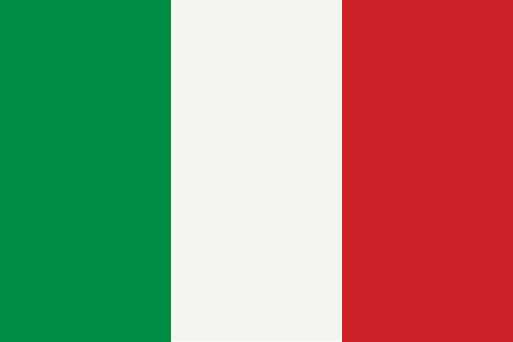
Kuva: Diliff, CC BY 3.0, Wikimedia Commonsin kautta
Yleiskatsaus
Italian tasavalta (ital. Repubblica Italiana) eli Italia (ital. Italia) on tasavalta Etelä-Euroopassa Välimereen työntyvällä Apenniinien niemimaalla ja lähisaarilla. Italian pinta-ala on noin 302 000 neliökilometriä ja väkiluku noin 59 miljoonaa. Italian naapurimaita ovat Ranska, Sveitsi, Itävalta ja Slovenia. Kääpiövaltiot San Marino ja Vatikaani ovat Italian alueen ympäröimiä, kun taas Italiaan kuuluva eksklaavi, Campione d’Italia, on Sveitsin alueen ympäröimä. Saapasta muistuttavan ulkomuotonsa vuoksi Italiaa kutsutaan ”saapasmaaksi”. Noin 42 prosenttia Italian alueesta on kumpuilevaa ja noin 35 prosenttia on vuoristoa. Tasankoa on noin 23 prosenttia. Italian pääkaupunki on Rooma. Muita historiallisesti tai nykyisin merkittäviä kaupunkeja ovat muun muassa Milano, Torino, Napoli, Firenze ja Venetsia.
Teksti: Wikipedia, lisenssi CC BY-SA.
Minne mennä: Italia
Rome
Italia
Venice
Italia
Milan
Italia
Florence
Italia
Naples
Italia
Bologna
Italia
Turin
Italia
Pisa
Italia
Verona
Italia
Genoa
Italia
Palermo
Italia
Siena
Italia
Sorrento
Italia
Jesolo
Italia
Lecce
Italia
Taormina
Italia
Assisi
Italia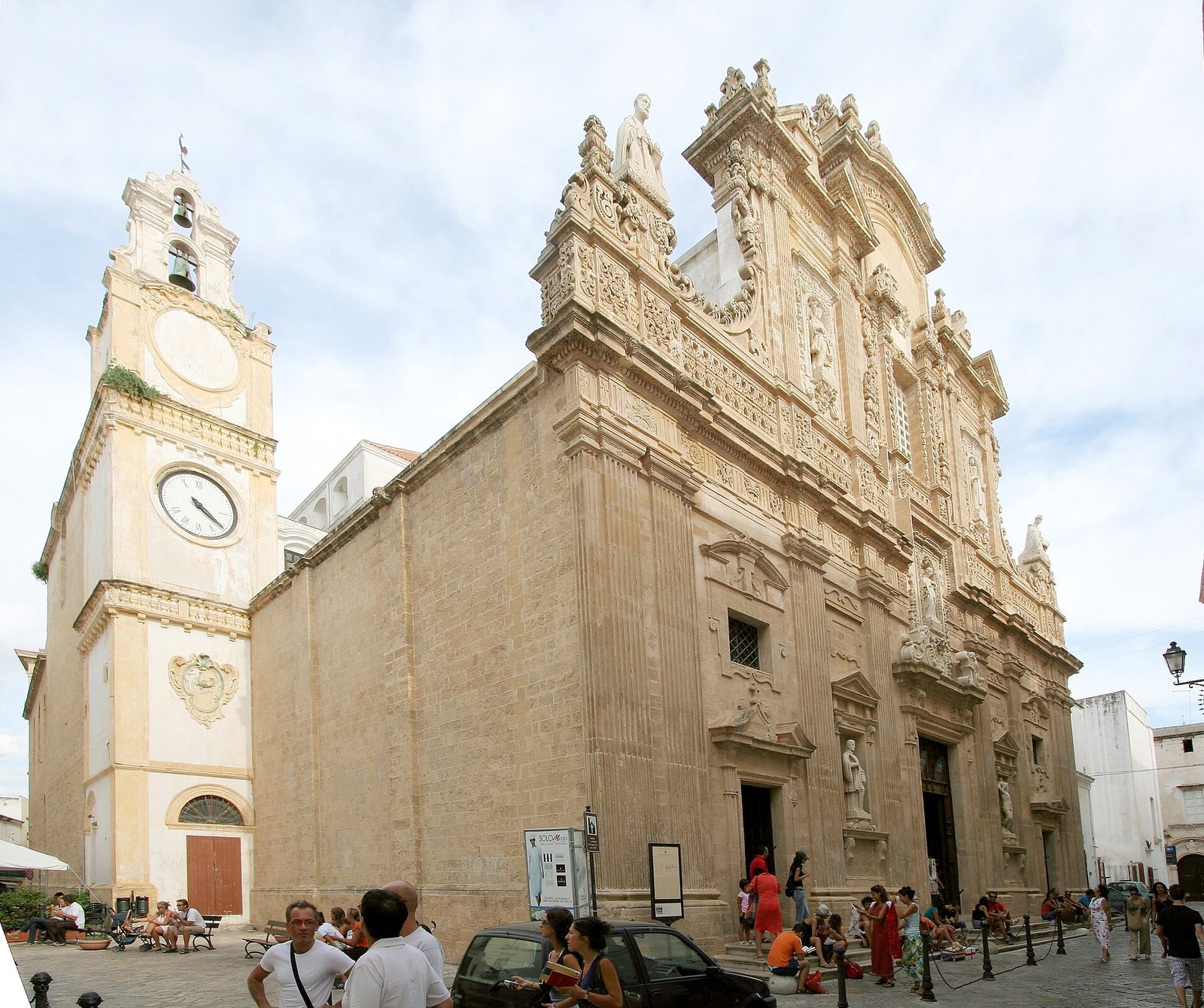
Gallipoli
Italia
Amalfi
Italia
Capri
Italia
Positano
Italia
Ustica
Italia
Cinque Terre
Italia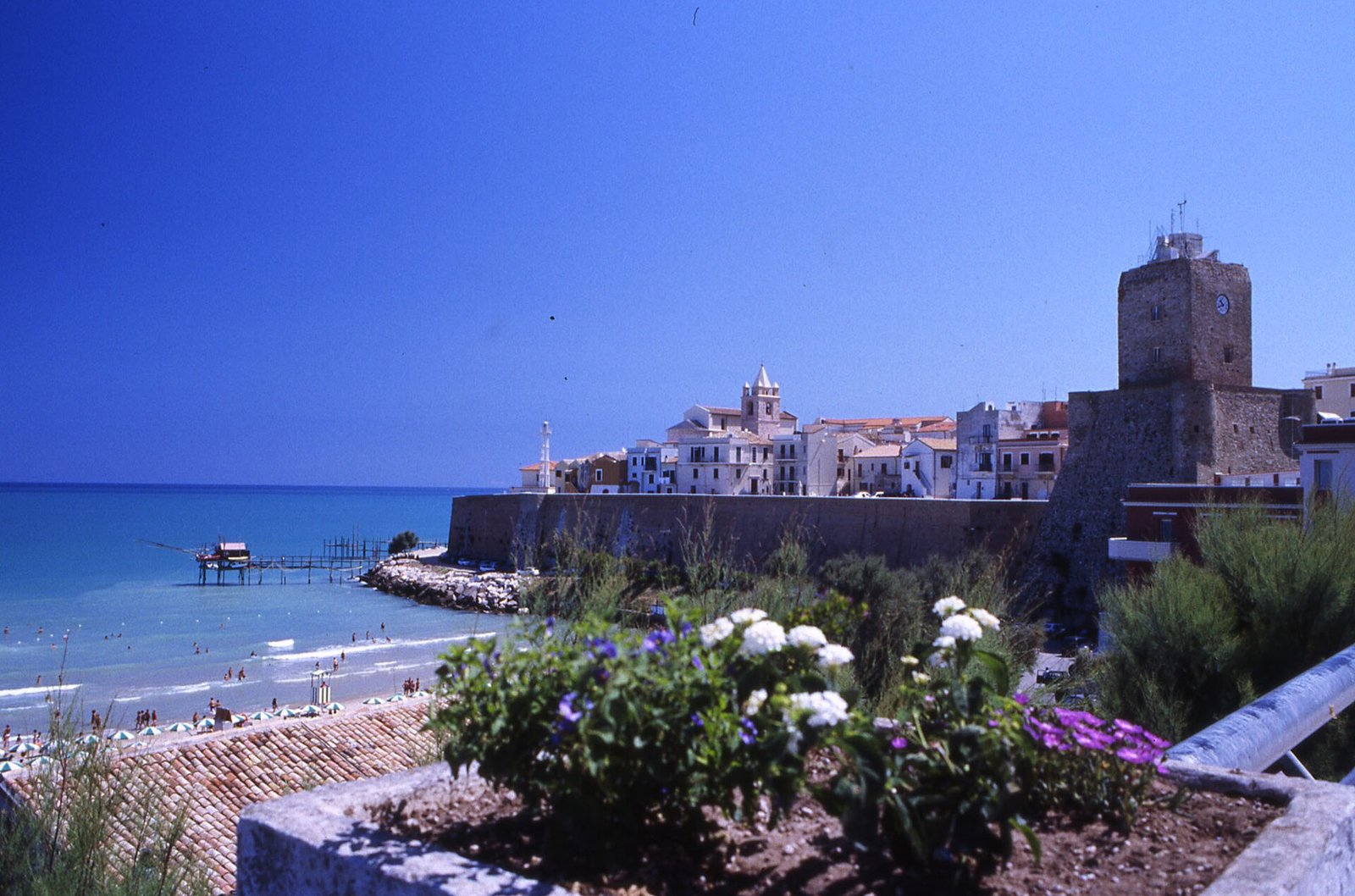
Termoli
Italia
Otranto
Italia
Campione d'Italia
Italia
Pompeii
Italia
Matera
Italia
Herculaneum
Italia
Tremiti Islands
Italia
Alberobello
Italia
Giardini Naxos
Italia
Mount Etna
Italia
Tropea
Italia
Eraclea
Italia
Pozzuoli
Italia
Pantelleria
Italia
Monte Sant'Angelo
Italia
Cassino
Italia
Maiori
Italia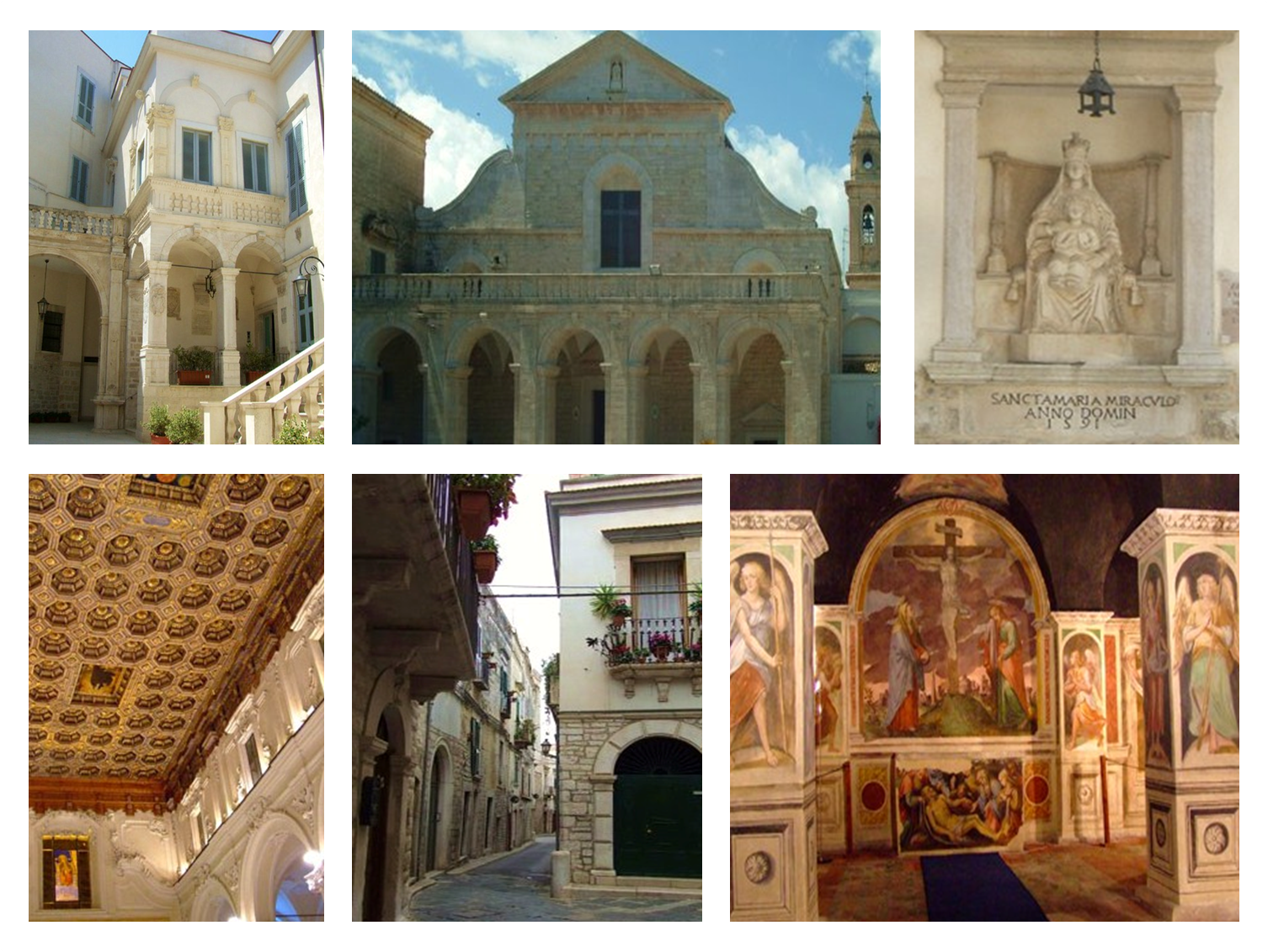
Andria
Italia
Craco
Italia
Cava de' Tirreni
Italia
Vesuvius
Italia
Piilotetut helmet
Vähemmän tunnettuja paikkoja suurten kaupunkien ulkopuolella (Italia), joita Wikivoyagen matkailijat suosittelevat: kyliä, kansallispuistoja ja rauhallisia kolkkia. Lyhyet kuvaukset ovat noista listoista (CC BY-SA).

Aegadian Islands
34 paikkaa listalla
Tranquil archipelago of Favignana, Levanzo, and Marettimo, perfect for swimming, cycling, and diving.

Selinunte
26 paikkaa listalla
Vast ancient city on the southern coast with massive Greek temples, acropolis ruins, and seafront views.

Pelagie Islands
25 paikkaa listalla
Remote islands south of Sicily, known for Lampedusa’s turquoise beaches and marine biodiversity.

Calitri
23 paikkaa listalla
A picturesque town in the heart of Upper Irpinia, known for its characteristic cuisine

Lake Bracciano
23 paikkaa listalla
Here was built the first Italian military airbase, today the Italian Air Force Museum.

Venice/Lido
22 paikkaa listalla
10 minutes from Venice, the golden beach

Seiser Alm
18 paikkaa listalla
The largest alpine plateau in Europe is a great place to take long walks and bike rides in the summer and to go skiing and snowboarding in winter

Ariano Irpino
16 paikkaa listalla
A typical mountain town astride the Apennines, overlooking the green Irpinian highlands.

Corciano
16 paikkaa listalla
Has an interesting and well-preserved historical centre with a medieval appearance and an almost circular shape, partially still surrounded by walls

Stagnone Lagoon and Islands Nature Reserve
16 paikkaa listalla
Shallow coastal lagoon ideal for kitesurfing, birdwatching, and boat trips to Mozia.

Castelli Romani
15 paikkaa listalla
This hilly area of several small towns, refreshingly cool in summer, has been a retreat for Romans since ancient times

Valley of the Temples
11 paikkaa listalla
Iconic archaeological park of ancient Akragas, featuring remarkably preserved Greek temples; a.
Mozia
10 paikkaa listalla
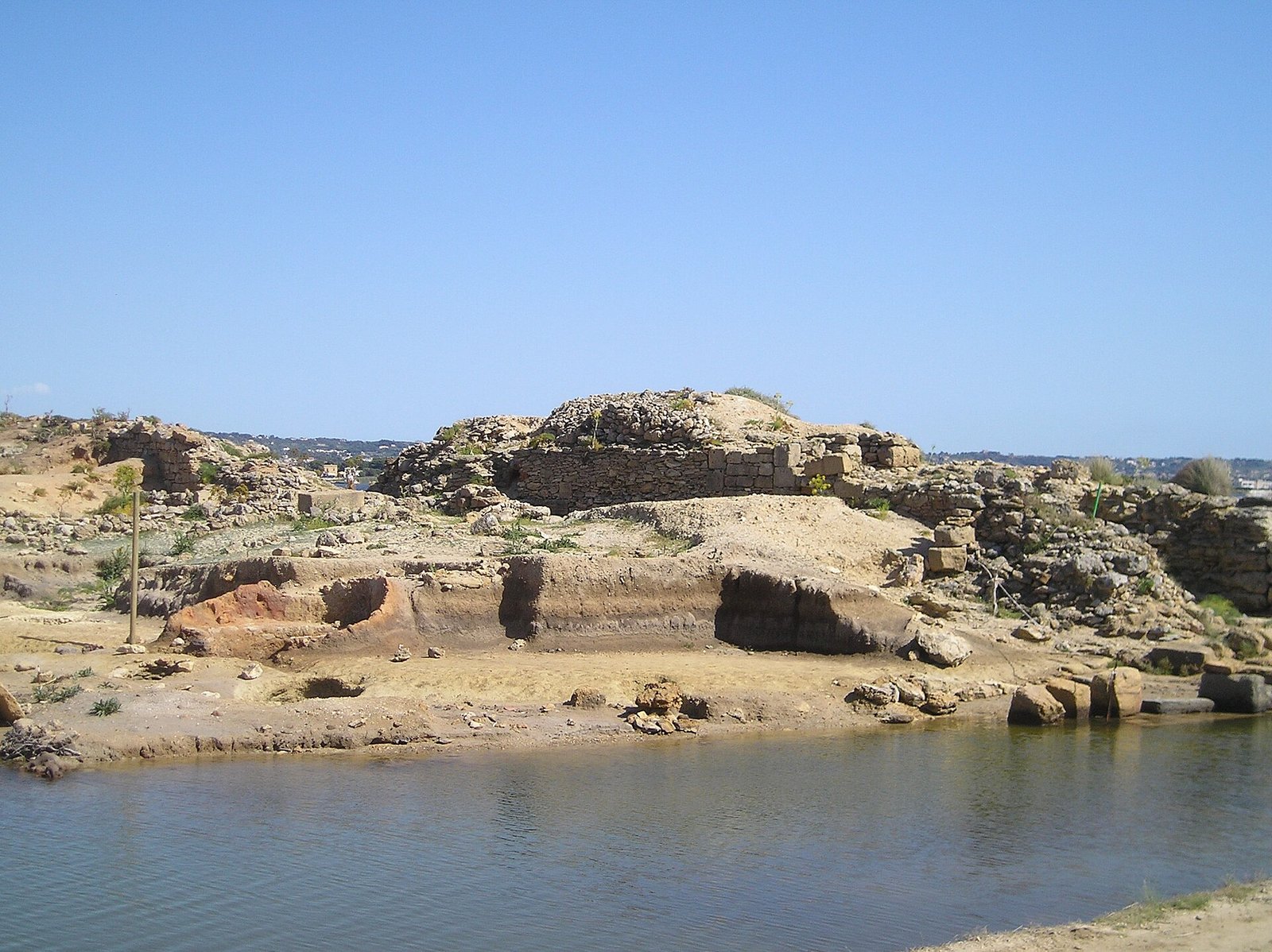
Ancient Phoenician settlement on an island in the Stagnone Lagoon near Marsala.

Sankt Ulrich
9 paikkaa listalla
Santa Christina and Selva Gardena (Wolkenstein). Selva (1563 m) is the most popular of these villages and is at the base of the Sassolungo, a climbing and hiking haven in summer. In winter, there are extensivive ski lifts and runs and these are linked into the famous Sella Ronda ski circuit.

Salt Pans of Trapani and Paceco
8 paikkaa listalla
Historic salt-harvesting area with restored windmills, flamingos, and an on-site museum.

Marsciano
7 paikkaa listalla
A good starting point also for exploring the Monte Peglia

Monte Cofano Nature Reserve
7 paikkaa listalla
Rugged coastal reserve with sea cliffs, hiking trails, and the prehistoric Mangiapane cave near Custonaci.

Sant'Angelo Dei Lombardi
7 paikkaa listalla
Medieval small town surrounded by the green hills of Irpinia

Segesta
7 paikkaa listalla
Well-preserved Doric temple and theatre in a bucolic setting.

Heraclea Minoa
6 paikkaa listalla
Ruins of an ancient Greek city on a coastal bluff, overlooking a wide sandy beach backed by pine trees.

Paestum
6 paikkaa listalla
Majestic Greek temples of 6th century BC and beach resort

Torre Salsa Nature Reserve
6 paikkaa listalla
A protected WWF coastal reserve with hiking paths, scenic lookouts, and long stretches of wild beach.

Costa Smeralda
5 paikkaa listalla
The most glamorous stretch of the coast at the whole Sardinia with its focal point — Porto Cervo

Moltrasio
5 paikkaa listalla
Moltrasio is a comune (municipality) in the Province of Como in the Italian region of Lombardy. It is located about 45 kilometres (28 mi) north of Milan and about 6 kilometres (4 mi) north of Como, near the border with Switzerland, on the western shore of Lake Como.

Val Camonica
5 paikkaa listalla
UNESCO heritage site, medieval towns, castles, holy art in churches, Roman sanctuary and theatre/amphitheatre, ski sports.

Valpolicella
5 paikkaa listalla
World famous wine region north of Verona

Zingaro Nature Reserve
5 paikkaa listalla
Sicily’s first protected coastal area, featuring hiking trails, wild coves, and Mediterranean flora between Scopello and San Vito.

Bibione
4 paikkaa listalla
Seaside town

Bomarzo
4 paikkaa listalla
Bomarzo is a town and comune of the province of Viterbo, in the lower valley of the Tiber. It is located 14.5 kilometres (9.0 mi) east-northeast of Viterbo and 68 kilometres (42 mi) north-northwest of Rome.

Cilento and Vallo di Diano National Park
4 paikkaa listalla
Will enchant visitors with its amazing landscapes

Scalea
4 paikkaa listalla
One of the most popular seaside resorts, with its endless beaches.

Lake Trasimeno
3 paikkaa listalla
Beaches, swimming, walking and watersports

Oltrepò Pavese
3 paikkaa listalla
Wine region in the utmost southern part of Lombardy, 70km from Milan, part of the Pavia province, medieval towns, castles, panoramic views.

Bastardo
2 paikkaa listalla
A village literally called Bastard

Costa Verde
2 paikkaa listalla
Uncontaminated beaches and wild nature

Kamarina
2 paikkaa listalla
Greek city dating to 598 BC, built by the Corintian-Syracusans, 25 km from Ragusa

Limone Piemonte
2 paikkaa listalla
A small ski resort in the southwest corner of Piedmont, near the French border

Massa Lubrense
2 paikkaa listalla
Massa Lubrense is a comune (municipality) in the Metropolitan City of Naples in the Italian region of Campania, located about 25 kilometres (16 mi) southeast of Naples. As of 31 December 2004, it had a population of 13,404 and an area of 19.7 km2 (7.6 sq mi).

Metaponto
2 paikkaa listalla
Resort on the Ionian Sea with the amazing remains of the Temple of Hera

Pantalica
2 paikkaa listalla
Vast necropolis with thousands of rock-cut tombs, set in a scenic gorge near Syracuse.

Priverno
2 paikkaa listalla
An important and still active early Gothic monastery

Quarto d'Altino
2 paikkaa listalla
Situated about 15 minutes, by train, from Venice's main island

Amalfi Coast
1 paikka listalla
Stunningly beautiful rocky coastline, so popular that private cars are banned in the summer months

Cupramontana
1 paikka listalla
Capital of the white "Verdicchio" wine

Madonie Regional Natural Park
1 paikka listalla
Mountainous reserve east of Palermo with charming villages, hiking trails, and biodiversity.

Sabine Hills
1 paikka listalla
Former home of the Sabine tribe, rivals to the Etruscans and Romans.

Sant'Agnello
1 paikka listalla
Beautiful village near Sorrento

Specchia
1 paikka listalla
One of Italy's most beautiful villages, in the heart of Salento

Isola dei Gabbiani
Ei vielä paikkoja listalla
A small island and a popular destination for windsurfing and kitesurfing

Lake Bolsena
Ei vielä paikkoja listalla
Lake Bolsena is a lake of volcanic origin in the northern part of the province of Viterbo called Alto Lazio or Tuscia in central Italy. It is the largest volcanic lake in Europe. Roman historic records indicate activity of the Vulsini volcano occurred as recently as 104 BC; it has been dormant since then. The two islands in the southern part of the lake were formed by underwater eruptions following the collapse that created the depression.

Pisciotta
Ei vielä paikkoja listalla
A medieval village nestled atop a hill, surrounded by ancient olive trees, that is one of the prettiest villages in the Mediterranean

Solunto
Ei vielä paikkoja listalla
Punic ruins near Santa Flavia, Palermo

Vulci
Ei vielä paikkoja listalla
Deserted former Etruscan city with many ruins from a necropolis in a former castle
Yleiset vapaapäivät
Kansalliset vapaapäivät seuraavien kahdentoista kuukauden aikana (Italia). Toimistot, pankit ja monet kaupat sulkevat, ja liikenne ja majoitus ruuhkautuvat. Alueelliset vapaapäivät ja paikalliset juhlat eivät ole mukana, ja kuun mukaan määräytyvät juhlat voivat siirtyä päivällä.
- Immaculate Conception · Immacolata Concezione
- joulupäivä · Natale di Gesù
- tapaninpäivä · Santo Stefano
- uudenvuodenpäivä · Capodanno
- loppiainen · Epifania
- pääsiäispäivä · Domenica di Pasqua
- toinen pääsiäispäivä · Lunedì dell’Angelo
- Liberation from Nazi-Fascism (1945) · Liberazione dal nazifascismo (1945)
- vappu · Festa del lavoro
- Republic Day · Festa della Repubblica
- Assumption · Assunzione di Maria
- National Day of Saint Francis of Assisi · Festa nazionale di San Francesco d'Assisi
- pyhäinpäivä · Ognissanti
Päivämäärät: date-holidays-projekti, pääosin Wikipedian pohjalta (CC BY-SA 3.0). Nimet näytetään omalla kielelläsi, jos käännös on olemassa. Tarkista paikan päällä ennen kuin suunnittelet matkaa vapaapäivän ympärille.
Matkustaminen: Italia
Tämä osa on englanniksi, sellaisena kuin se on kirjoitettu Wikivoyageen.
Liikkuminen maassa
By train. network]] Trains in Italy are generally good value, somewhat frequent, and nowadays quite reliable. Trenitalia is the main operator throughout the country, operating both high-speed and regional services, while Italo offers competition on all major high-speed routes. Trenitalia Italo
Train types. On long-distance trains there are 1st and 2nd classes. A 2nd class ticket costs about 80% the price of a 1st class ticket. On high-speed trains you can also choose between basic, standard and flexible tickets. Basic tickets are of course the cheapest. During commuter hours, on major north-south routes during the holidays, or before and after large political demonstrations, trains on the lower train types are often overcrowded. Although between Milan and Naples (including Bologna, Florence and Rome), high-speed trains cut travel times in half, on other routes, such as between Rome and Genoa, Naples and Reggio Calabria, Venice and Trieste, they travel on the traditional line, with only marginally shorter travel times compared to Intercity trains. On long routes, such as Milan - Rome or Milan - Reggio di Calabria, Trenitalia operates special night trains: Intercity notte. They depart around 22.00 and arrive in the morning.
Getting tickets. The lines to buy tickets are often long and slow, so get to the station early. There are efficient, multilingual, touch-screen ticket machines, but the lines for them are often long, too, because there are few of them.
Raha ja kustannukset
Money. Italy phased out the one- and two-cent coins in 2018, rounding prices to the nearest five-cent increment. ATMs are commonplace, at least in cities. They usually accept major international credit and debit cards. ATMs owned directly by banks often do not charge a fee for foreign cards. This includes those from BNL (Banco Nazionale del Lavoro) and the "Postamat" machines run by the Italian postal service. Of course, your bank might still charge a fee, depending on your card.
Tipping. Tips (la mancia) are not customary in Italy but are offered when a special service is given or to recognise high quality service. Most restaurants, except those in Rome, have a price for the service coperto and waiters do not expect a tip; however, they will not refuse one. In cafés, bars, and pubs it's not uncommon to leave the change, saying to the waiter or to the cashier tenga il resto - "keep the change". Tip jars near the cash register are becoming widespread, but in public toilets, they are often forbidden. Leaving the change is also quite common with taxi drivers, and hotel porters may expect a little something. It is not possible to add tips manually to a credit card bill, so you'll need cash.
Shopping. Italy's economy and therefore prices change significantly depending on the place: Northern Italy, especially Milan, is considered expensive, with prices similar to Germany or France, while the South, economically underdeveloped, is cheaper, with prices similar to Greece.
Kieli
Italian (italiano) is the language spoken natively by most Italians. Standard Italian is largely based on the dialect of Tuscan spoken in Florence. Every region in Italy has a distinct native Italic language in addition to Italian that may or may not be spoken by locals, depending on the area. In Rome or Milan, the spoken language is nowadays usually Italian with some local influence, whereas in rural areas the local language is more common; though people usually speak italiano, too. Even though Italians call the native languages "dialects", they are separate languages, much like Chinese languages; they even have their own way of writing. Some of these languages also have their own rich literary traditions, the most important ones being Neapolitan, Venetian and Milanese.
Tavat ja käytös
Italy has a reputation for being a welcoming country and Italians are friendly and courteous, as well as very used to small talk and interacting with foreigners.
Culture and identity. Although this is a very broad generalisation, Italians in the North are perceived to be much more reserved compared to Italians in the South. Despite stereotypes, it is uncommon for Italians to strike up conversations with strangers. Acting too familiar with someone can cause someone to be uncomfortable. Italians are generally neutral communicators. They make efforts to be polite and respectful, but they are quite comfortable with speaking their minds. Sure, Italians are known for being sociable and talkative, but you should make every effort to be tactful with your words. Just because they seem confident does not mean that they are difficult to offend. It is common for Italians to ask people personal questions and give people advice on all kinds of things. You can expect to be showered with lots of advice on what you're doing, what you're wearing, how to take care of your home, asked questions about your life story and background, what to see and not see, and so on. Try not to get upset or annoyed at this because the information that Italians convey is meant to help you in a good way, not a bad way. As a foreigner, you may not fully experience this, but know that this is common. Italian society is less formal compared to other European countries, especially when it comes to introductions.
Puhelin ja internet
WiFi. By law all public-access internet points must keep records of web sites viewed by customers, and even the customer's ID: expect to be refused access if you don't provide identification. Hotels providing Internet access are not required to record IDs if the connection is provided in the guest's room, although if the connection is offered in the main public hall then IDs are required. Publicly available wireless access without user identification is illegal, so open Wi-Fi hotspots (like the ones you might expect to find in a mall or café) all have some form of (generally one-time) registration. Certain internet activities are illegal. Beside the obvious (child pornography, trading in illegal products like drugs and weapons), copyright infringement is illegal even if no profit is made. However enforcement of copyright laws against P2P users is lax and cease & desist letters from providers are unheard of, unless using a University's WiFi. Certain websites (mostly related to online gambling and copyrighted material) have been blocked in Italy following court rulings. There is a free, government run, public, nation-wide WiFi network called WiFi Italia, accessible through an app.
Turvallisuus
For emergencies, call 113 (Polizia di Stato - State Police), 112 (Carabinieri - Gendarmerie), 117 (Guardia di Finanza - Financial police force), 115 (Fire Department), 118 (Medical Rescue), 1515 (State Forestry Department), 1530 (Coast Guard), 1528 (Traffic reports). If you're not sure which number to call, you can call 112 and explain the emergency. The operator will forward your call directly to the relevant department. Alternatively, you can download the WhereAreU App through which you can call 112 (even if you can't talk) and they will know your exact position through your phone's GPS. Italy is a safe country to travel in like most developed countries. There are few incidents of terrorism/serious violence and these episodes have been almost exclusively motivated by internal politics. Almost every major incident is attributed to organised crime or anarchist movements and rarely, if ever, directed at travellers or foreigners.
Crime. Violent crime rates in Italy are low compared to most European countries. If you're reasonably careful and use common sense you won't encounter personal safety risks even in the less affluent neighborhoods of large cities. However, petty crime can be a problem for unwary travellers. Pickpockets often work in pairs or teams, occasionally in conjunction with street vendors; take the usual precautions against pickpockets. Instances of rape and robbery are increasing slightly.
Tourist scams. Read up about tourist scams.
Lähde: Wikivoyagen opas, matkailijoiden kirjoittama (CC BY-SA), lyhennetty. Tarkista maahantulosäännöt, viisumit, terveys ja ajankohtainen turvallisuus aina oman hallituksesi virallisista matkustustiedotteista (linkit yllä).