

Jamaika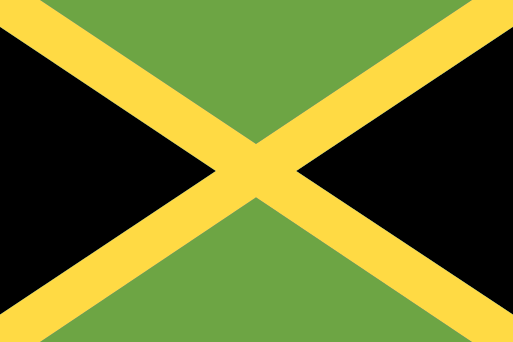
Kuva, CC BY-SA 3.0, Wikimedia Commonsin kautta
Yleiskatsaus
Jamaika (engl. Jamaica, jamaikankreoliksi Jumieka) on Isoihin-Antilleihin kuuluva saarivaltio Karibialla. Se sijaitsee Kuuban eteläpuolella ja Haitin länsipuolella. Jamaika tunnetaan muun muassa reggae-musiikin ja rastafari-uskonnon kehtona sekä monista menestyneistä pikajuoksijoistaan. Jamaikan 2,7 miljoonasta asukkaasta valtaosa on tummaihoisia, ja afrikkalaisuus näkyy enemmän kuin muilla Karibian saarilla. Afrikkalaisten suuri määrä on peräisin siirtomaa-ajalta, jolloin britit toivat Afrikasta orjia töihin sokeri- ja kahviplantaaseille osana kolmiomaista kauppareittiään. Karibian kolmanneksi suurimman saaren keskellä kulkeva vuorijono jakaa saaren kosteaan ja rehevään pohjoispuoleen sekä kuivempaan eteläpuoleen. Hurrikaanit ja maanjäristykset aiheuttavat ajoittain tuhoja. Vesi on uurtanut monia luolia saaren paksuun kalkkikivikerrokseen.
Teksti: Wikipedia, lisenssi CC BY-SA.
Minne mennä: Jamaika


Piilotetut helmet
Vähemmän tunnettuja paikkoja suurten kaupunkien ulkopuolella (Jamaika), joita Wikivoyagen matkailijat suosittelevat: kyliä, kansallispuistoja ja rauhallisia kolkkia. Lyhyet kuvaukset ovat noista listoista (CC BY-SA).

Blue Mountains
2 paikkaa listalla
The Blue Mountains are the longest mountain range in Jamaica. They include the island's highest point, Blue Mountain Peak, at 2,256 m (7,402 ft). From the summit, accessible via a walking track, both the north and south coasts of the island can be seen. On a clear day, the outline of the island of Cuba, 210 km (130 mi) away, can also be seen. The mountain range spans four parishes: Portland, St Thomas, St Mary and St Andrew.
Great Goat Island
Ei vielä paikkoja listalla
Great Goat Island is a cay located less than a mile off the coast of Jamaica, southwest of the Hellshire Hills. It is part of Saint Catherine Parish. Along with Little Goat Island located northwest of it, these two cays make up the Goat Islands, which are within the Portland Bight Protected Area.
Yleiset vapaapäivät
Kansalliset vapaapäivät seuraavien kahdentoista kuukauden aikana (Jamaika). Toimistot, pankit ja monet kaupat sulkevat, ja liikenne ja majoitus ruuhkautuvat. Alueelliset vapaapäivät ja paikalliset juhlat eivät ole mukana, ja kuun mukaan määräytyvät juhlat voivat siirtyä päivällä.
- joulupäivä · Christmas Day
- tapaninpäivä · Boxing Day
- uudenvuodenpäivä · New Year's Day
- Ash Wednesday
- pitkäperjantai · Good Friday
- toinen pääsiäispäivä · Easter Monday
- vappu · Labour Day
- Emancipation Day
- itsenäisyyspäivä · Independence Day
- National Heroes Day
Päivämäärät: date-holidays-projekti, pääosin Wikipedian pohjalta (CC BY-SA 3.0). Nimet näytetään omalla kielelläsi, jos käännös on olemassa. Tarkista paikan päällä ennen kuin suunnittelet matkaa vapaapäivän ympärille.
Matkustaminen: Jamaika
Tämä osa on englanniksi, sellaisena kuin se on kirjoitettu Wikivoyageen.
Liikkuminen maassa
By train. Jamaica has about 250 route miles of railways, of which 77 are in service to Windalco to handle privately operated bauxite (aluminium ore) trains. Passenger and public freight service ceased in 1992, but increasing road congestion and poor highway conditions have caused the government to re-examine the commercial feasibility of rail operations. A passenger train was designed for citizens (mostly for children on the Government's Programme of Advancement Through Health and Education Progamme) in 2022. Clarendon Express. A tourist railway in Clarendon, on Windalco railway tracks using Jamaica Railway corporation coaches, with American-built diesel-electric locomotives for motive power.
By car. Driving as a tourist in Jamaica is an adventure in and of itself. Jamaican roads are not renowned for their upkeep nor are their drivers renowned for their caution. Roads in and around major cities and towns are generally congested, and rural roads tend to be narrow and somewhat dangerous, especially in inclement weather. Alert and courteous driving is advised at all times. There are very few north-south routes as well, so travel from the north to the south can involve treks on mountain roads. These trips can induce nausea in the more weak of stomach, so it is advisable that if you suffer from motion sickness to bring Dramamine or similar medication. Roads can be very narrow, and be especially alert when going around bends.
Raha ja kustannukset
Money. The currency of Jamaica is the Jamaican dollar, denoted by the symbol "$" (or J$, JA$) (ISO code: JMD). It comes in notes of J$50, 100, 500, 1,000, 2,000 and 5,000. Coins in circulation are J$20, 10, and 5 (with smaller coins being almost worthless). Two series of banknotes are in circulation in Jamaica, the paper issues and the new polymer issues that includes the $2000 note. Jamaica's economy has not been well run and the Jamaican dollar has steadily depreciated from the rate of USD1 = J$0.77 in 1968. The US dollar is widely accepted in places most tourists visit. Indeed, all hotels, most restaurants, most shops, and almost all attractions in major cities will accept the US dollar. However, be aware that some places accept US dollars at a reduced rate (although it still may be a better rate than exchanging money beforehand). While it is possible for someone visiting only touristy places or for a few hours to not see the Jamaican currency at all, US dollars won't be accepted at a lot of local shops on the outskirts of cities and in rural areas. Always stay up-to-date on the exchange rate and carry a calculator. Some places might try to make you pay ten times as much if you pay in US dollars. The cost of living in Jamaica is comparable to the United States. US dollars, Canadian dollars, UK pounds, and euros are easily converted to Jamaican dollars at forex cambios and commercial banks island wide.
Kieli
Jamaicans mainly speak Jamaican Creole, also known locally as Patois (pronounced "patwa"). Its pronunciation and vocabulary are significantly different from English, despite it being based on English. Despite not being official, much of the population uses slang such as "Everyting is irie" to mean "Everything is all right." Although most Jamaicans can also speak standard English, which is also the official language, they often have a very thick accent and foreigners may have trouble understanding them because of this. You will usually hear Jamaicans say "Waah gwaan?", "Waah appn'?", or "What a gwaan?", the Creole variation of "What's up?" or "What's going on?" More formal greetings are usually "Good morning" or "Good evening."
Tavat ja käytös
Jamaicans are known for their warmth, laid-back attitude to life, and generosity. It is customary to greet people, including complete strangers, wherever you may go. A simple Hello or Good morning would do just fine. Religion is a huge deal to many Jamaicans. A church can be found in every nook and corner of the country, and Jamaicans love to talk about it. Criticising religion, speaking about it from an agnostic point of view, or stating that you do not believe in God will most likely be met with bewildered looks. Jamaicans tend to value their privacy and they generally do not invite people they do not know well to their homes. If you have been invited to a Jamaican home, remove your shoes before entering. It must also be noted that any person of East Asian descent will almost always be called "Missa/Miss Chin"; this is a common stereotype based on prominent locals bearing the surname. This should not be taken seriously, as it is a form of endearment existing among locals. Caucasians will also be met by stares from numerous people in the less touristy areas. But don't worry. Just smile! Although most (90-92%) Jamaicans are Afro-Jamaicans, Jamaica is a diverse country and there are long-established communities of Europeans, Chinese, and Indians. It is considered rude to express doubt if someone is truly Jamaican just because they are not black. Show respect to elders and authority figures. Use the terms "sir" and "ma'am" with them and behave appropriately in front of them.
Puhelin ja internet
By phone. Jamaica has two mobile network operators, Digicel and Flow (formerly Lime). Jamaican numbers are based off the North American Numbering Plan and consist of an area code followed by 7 digits. The calling code is +1 (876) then follows the numbers, e.g +1 (876) ***-****.
By Internet. In almost every area you go in Jamaica there are Wi-Fi hotspots to connect to the net. Data plans, which most Jamaicans call 'service', offer a certain amount of bytes which can easily be accessed on your mobile phone without worrying about Wi-Fi (this is the variation of Wi-Fi for most people in local areas).
Turvallisuus
Beware of rapists at resorts, as advised by travel advisories. Jamaica has the 2nd highest murder rate in the world. As in any other country, should any emergency situation arise, after calling 119 for the police or 110 for the fire brigade or ambulance, you might want to contact your government's embassy or consulate. Governments usually advise travellers staying in Jamaica for an extended period of time to notify their embassy or consulate so they can be contacted in the case of emergency. If in need of police, dial 119, just don't expect them to show up on the spot. Drugs and alcohol are prevalent. Armed men may pose a threat to women in some areas. Inner-city parts of the island such as Spanish Town and some neighbourhoods in Kingston (Trench Town, etc.) should be avoided even during the day. However, those who are interested in visiting the Culture Yard in Trench Town should be safe if they go during daylight hours and with a hired local guide, which should not be terribly expensive. Be sure to ask for advice from locals before going, and avoid going there around elections, when violence flares up. September, October, and November have fewer tourists as this is hurricane season. As a result, the police are encouraged to take their vacation during this time. This reduction in the police force can cause areas like Montego Bay's hip strip to be less safe than they normally are.
Crime. Jamaica has one of the highest rates of violent crime in the world.
Lähde: Wikivoyagen opas, matkailijoiden kirjoittama (CC BY-SA), lyhennetty. Tarkista maahantulosäännöt, viisumit, terveys ja ajankohtainen turvallisuus aina oman hallituksesi virallisista matkustustiedotteista (linkit yllä).