

Martinique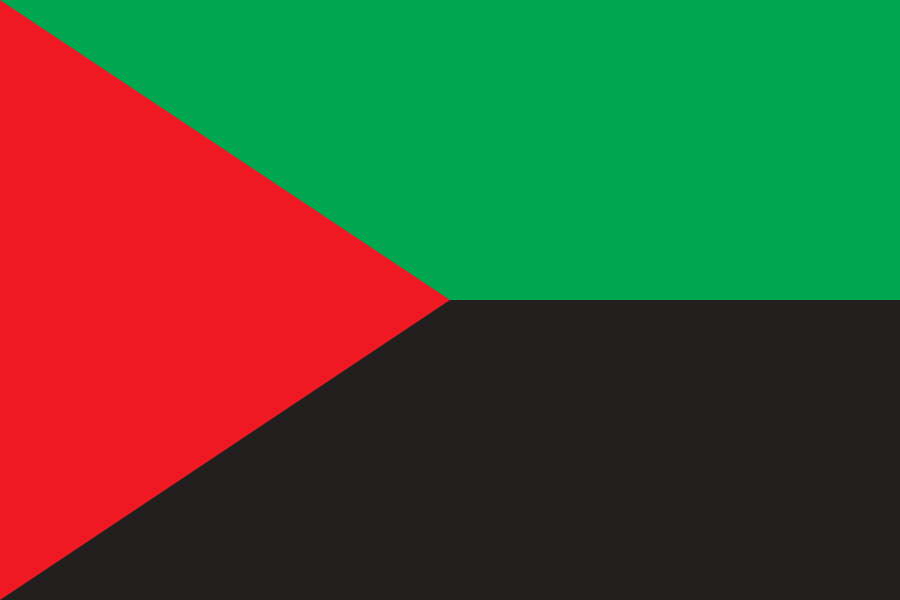
Kuva, Public domain, Wikimedia Commonsin kautta
Yleiskatsaus
Martinique on Ranskan merentakainen departementti ja hallintoalue (département d’outre-mer, DOM) Länsi-Intiassa Karibianmerellä. Se on Pienten-Antillien saari, ja sen pinta-ala on noin 1 128 neliökilometriä ja asukasluku 397 728 (vuonna 2011). Rantaviivaa on 350 kilometriä. Pääkaupunki on Fort-de-France. Koska Martinique kuuluu Ranskaan, se on myös osa Euroopan unionia ja euroaluetta. Martinique on kuuluisa kirjailijoistaan ja 1980-luvulla kehittyneestä zouk-musiikista. Vientituotteita ovat muun muassa rommi, sokeri ja ananas.
Teksti: Wikipedia, lisenssi CC BY-SA.
Minne mennä: Martinique


Yleiset vapaapäivät
Kansalliset vapaapäivät seuraavien kahdentoista kuukauden aikana (Martinique). Toimistot, pankit ja monet kaupat sulkevat, ja liikenne ja majoitus ruuhkautuvat. Alueelliset vapaapäivät ja paikalliset juhlat eivät ole mukana, ja kuun mukaan määräytyvät juhlat voivat siirtyä päivällä.
- joulupäivä · Noël
- uudenvuodenpäivä · Nouvel An
- pitkäperjantai · Vendredi saint
- toinen pääsiäispäivä · Lundi de Pâques
- vappu · Fête du travail
- helatorstai · Ascension
- Victory Day · Fête de la Victoire 1945
- Whit Monday · Lundi de Pentecôte
- Abolition of Slavery · Abolition de l’esclavage
- Bastille Day · Fête Nationale de la France
- Assumption · Assomption
- pyhäinpäivä · Toussaint
- Armistice Day · Armistice 1918
Päivämäärät: date-holidays-projekti, pääosin Wikipedian pohjalta (CC BY-SA 3.0). Nimet näytetään omalla kielelläsi, jos käännös on olemassa. Tarkista paikan päällä ennen kuin suunnittelet matkaa vapaapäivän ympärille.
Matkustaminen: Martinique
Tämä osa on englanniksi, sellaisena kuin se on kirjoitettu Wikivoyageen.
Liikkuminen maassa
Public transport in Martinique is very limited, which could explain the reason why there are more cars registered in Martinique per person than anywhere else in France. Public transportation from the airport is via the TCSP Rapid Bus Transit system. Cost is €1.45 for a ticket, which can be purchased at the TCSP stop just outside of the terminal on the other side of the parking lot via a vending machine.
By car. Despite the traffic, if you are going to make the most of your stay in Martinique, it is recommended that you hire a car. Without a car you will miss some of Martinique's best landscapes and scenery. Driving in Martinique will be a pleasure in comparison to other Caribbean islands. The majority of roads are of an excellent standard. Your driving licence from your home country is valid in Martinique. Driving laws are the same as in France and you have to drive on the right hand side of the road. There are several speed cameras on the island and the Gendarmerie are carrying out an increasing number of speed checks, so you should always watch your speed. Unless otherwise stated, the speed limit is generally 50 km/h in towns, 90 km/h on major roads and 110 km/h on the autoroute between the airport and Fort-de-France. When travelling to the airport during rush hours, allow plenty of time. The N5 and Lamentin can get very busy. It is particularly busy between 06:30 and 09:30 and between 15:30 and 18:30.
By taxi. Taxis in Martinique are not cheap.
By bus. There are very few buses in Martinique.
Raha ja kustannukset
Money. Like the rest of France, the official currency is the euro ("€", ISO currency code: EUR). It is divided into 100 cents. US dollars are not accepted in shops, but some stores and many restaurants and hotels take credit cards. The best exchange rates are from your own credit card, or at banks. Not all banks will do foreign exchanges and may direct you to Fort-de-France to do such transactions.
Shopping. The best offerings include French luxury imports (e.g., perfumes, fashions, wines) and items made on the island, e.g., spices and rum. And some merchants offer 20 percent tax refunds for purchases made by credit card or travelers checks, though many may not accept the latter. Shopping opportunities include: Galleria, in Lamentin (near airport), is the island's largest mall, with several European branded stores and others. Fort-de-France's Spice Market offers stalls full of local/unique flowers, fresh fruit and vegetables, and herbs and spices. Rue Victor Hugo: Fort-de-France's main shopping street - a strip of sometimes tiny, Paris-like boutiques, island shops and vendors of fresh fruit and flowers As a decidedly Catholic island, very few stores are open on Sundays or holidays celebrated in France. Business hours: Sundays may find many stores closed. Check in-advance before hiring transport to any particular store or shopping area.
Kieli
French and Creole patois are spoken on the islands; English is known by some inhabitants. They speak very fast, so tell them that you do not know French well.
Tavat ja käytös
Polite manners will go very far in this jewel of the Caribbean. When entering a business establishment, always say, 'Bonjour' and 'Merci, au revoir' when departing. Also note that things often run a lot slower in warm climates, so patience is a must. Also, don't expect kowtowing, smiling 'natives'. The Martiniquais are a very proud, dignified people and are often wary of impatient tourists without manners. Unaccompanied women in tourist and beach areas are likely to experience frequent cat-calling and similar attention from men. A popularly stated reason for this is that there are a greater number of women than men on the island. The best way to deal with unwanted attention is to ignore the attention or firmly state a lack of interest.
Lähde: Wikivoyagen opas, matkailijoiden kirjoittama (CC BY-SA), lyhennetty. Tarkista maahantulosäännöt, viisumit, terveys ja ajankohtainen turvallisuus aina oman hallituksesi virallisista matkustustiedotteista (linkit yllä).