

Canada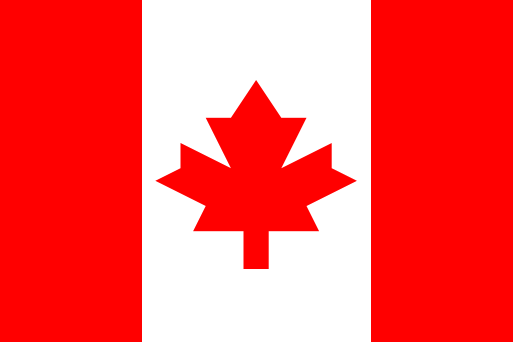
Foto di No machine-readable author provided. Arctic.gnome assumed (based on copyright claims)., CC BY 2.5, tramite Wikimedia Commons
Panoramica
Il Cànada o Canadà è uno Stato dell'America settentrionale bagnato dall'oceano Atlantico a est, dal mar Glaciale Artico a nord e dall'oceano Pacifico a ovest. Secondo Stato al mondo per estensione (9 897 170 km²) dopo la Russia, il Canada confina con il territorio degli Stati Uniti d'America, quelli continentali a sud, in buona parte lungo la linea del 49º parallelo Nord, e con lo stato dell'Alaska a nord-ovest quasi interamente lungo il 141º meridiano Ovest: si tratta del confine terrestre tra due Stati più lungo del mondo (8893 km). L'altro confine della nazione è con il Regno di Danimarca sull' Isola Hans che è il confine terrestre internazionale più settentrionale del mondo e il terzo confine terrestre più breve tra due Stati. Il Canada è lo Stato più esteso del mondo per estensione costiera.
Testo da Wikipedia, con licenza CC BY-SA.
Dove andare in Canada


Gioielli nascosti
Luoghi meno noti che i viaggiatori di Wikivoyage consigliano oltre le grandi città di Canada: villaggi, parchi nazionali e angoli tranquilli. Le brevi descrizioni vengono da quegli elenchi (CC BY-SA).

Okanagan
69 luoghi in elenco
A wide valley featuring a deep, clean lake, Canada's warmest summers, and fresh fruits and wines that go with the weather

Saint John River Valley
67 luoghi in elenco
Historic wooden covered bridges, river ferries, falls, as well as artist studios and historic sites

Northern Canada
53 luoghi in elenco
Particularly, the hub of the Klondike gold rush of the 1890s, with many of the buildings of that era largely preserved

Prince Edward County
52 luoghi in elenco
An island in Lake Ontario that is like the whole province in miniature with beaches, wine growing, and quaint villages.

Prairies
44 luoghi in elenco
For example at, a world heritage site featuring natural rock formations and Indigenous rock art

Churchill
42 luoghi in elenco
Claimed as the Polar Bear and Beluga Whale Watching Capital of World, this is where the cold Arctic waters of Hudson Bay touch the Prairie provinces. Go here for a cold-weather safari.

Sainte-Anne-de-Beaupré
40 luoghi in elenco
Large, elaborate church east of Quebec City, near Montmorency Falls and the pastoral Île d'Orléans

Bruce County
38 luoghi in elenco
Southwestern Ontario's last major forested area, home to a national park, and endpoint of the Bruce Trail.

Alberta Rockies
32 luoghi in elenco
Including the oldest and most popular national park in Canada, famed for stunning mountain scenery such as world-renowned Lake Louise, and a less crowded alternative to Banff for mountains and wildlife.

Îles-de-la-Madeleine
29 luoghi in elenco
The Magdalen Islands are remote and beautiful, sandy strips of land in the Gulf of St. Lawrence

Stratford
29 luoghi in elenco
Internationally known for its theatre festival

Waterton Lakes National Park
28 luoghi in elenco
A true natural gem in the Rockies in Alberta's extreme southwest

Algonquin Provincial Park
27 luoghi in elenco
A huge, isolated expanse of rugged backcountry forests and lakes, but near the main cities.

Jasper National Park
27 luoghi in elenco
Beautiful mountain and shopping attractions without the hustle of Banff

Manitoulin Island
24 luoghi in elenco
The world's largest freshwater island

Forteau
22 luoghi in elenco
The remains of a 16th-century Basque whaling outpost that are a and a National Historic Site of Canada.

Kananaskis Country
22 luoghi in elenco
Major natural recreation area in southern Alberta at the foot of the Rockies south of Calgary

Yoho National Park
22 luoghi in elenco
In the Canadian Rocky Mountains along the western slope of the Continental Divide of the Americas in southeastern British Columbia

St. Joseph Island
20 luoghi in elenco
A pretty place to break up the 24-hour drive across northern Ontario

Salt Spring Island
19 luoghi in elenco
The largest of the Southern Gulf Islands, replete with artist studios, hiking, kayaking, climbing, yoga

Sept-Îles
19 luoghi in elenco
Departure point for the railway to Labrador City and the ferry to Anticosti

Pelee Island
18 luoghi in elenco
The southernmost inhabited place in Canada is a place of peace and relaxation for its many visit, especially migrating birds and butterflies

St. Thomas
18 luoghi in elenco
Known for its beautiful limestone buildings, and as the home of the Canadian Baseball Hall of Fame

Terra Nova National Park
17 luoghi in elenco
A place where sheltered Atlantic fjords stretch inland to touch the boreal landscape

Elora
16 luoghi in elenco
Well known for its 19th-century limestone architecture and the beautiful Elora Gorge

St. Marys
16 luoghi in elenco
Known for its beautiful limestone buildings, and as the home of the Canadian Baseball Hall of Fame

Cypress Hills Interprovincial Park
15 luoghi in elenco
Canada's highest point between the Canadian Rockies and the Labrador Peninsula

Tobermory
15 luoghi in elenco
Port town on the shores of Georgian Bay at the tip of the peninsula; well known for its two national parks: Bruce Peninsula National Park and Fathom Five National Marine Park

Wood Buffalo National Park
15 luoghi in elenco
Home to the rare wood bison or "buffalo", the largest national park in Canada and UNESCO World Heritage Site, mostly inaccessible by road, but great for trekking or canoe camping.

Bowen Island
14 luoghi in elenco
A small island at the entrance to Howe Sound, that draws tourists to wander the shops and explore the parks and natural areas

Gatineau Park
14 luoghi in elenco
The outdoor playground for Canada's national capital.

Beaver Hills
13 luoghi in elenco
Free ranging bison ("buffalo") and wapiti near Edmonton

Campobello Island
13 luoghi in elenco
A popular summer colony for wealthy Canadians and Americans, including Franklin D. Roosevelt.

Grand Manan Island
13 luoghi in elenco
A beautiful island, made up of several small fishing communities.

Gros Morne National Park
13 luoghi in elenco
UNESCO World Heritage Site, north of Corner Brook, Newfoundland and Labrador

Mont-Tremblant
13 luoghi in elenco
A resort town focused on skiing, golfing, and lots of other winter and summer sports

Riding Mountain National Park
13 luoghi in elenco
Is renowned for its "watchable" wildlife and forms the core of the Riding Mountain Biosphere Reserve, a UNESCO World Heritage Site.

Grand Bend
12 luoghi in elenco
Sauble Beach, and Wasaga Beach, the world's longest freshwater beach.

Ipperwash Beach
12 luoghi in elenco
One of the longest freshwater beaches in Ontario with shallow waters that are ideal for children

Prince Edward Island National Park
12 luoghi in elenco
Covers much of the central north coast around Cavendish and area, including "Green Gables" and other sites related to the Anne of Green Gables books and their author, Lucy Maud Montgomery

Wells Gray Provincial Park
12 luoghi in elenco
The "waterfall park" (as it's sometimes called) has over 30 named waterfalls, including Canada's fourth highest, Helmcken Falls. Beyond the waterfalls, there are fish filled lakes, miles of trails for hiking, mountain biking and horseback riding, and alpine meadows. Over 5,000 sq km in size, you can stick to the main access road and see one or two highlights for the day, or bring a canoe or hiking boots and venture deep into the park to the campgrounds and sights less visited.

Anticosti
11 luoghi in elenco
Sparsely-populated world heritage-listed island

Peggy's Cove
11 luoghi in elenco
A scenic and historic Nova Scotia fishing community with picturesque ocean views and the world's most photographed lighthouse. Look for the metallic plaques melded into the rocks warning all who walk on the rocks that danger is imminent from crashing waves. There is a souvenir shop near the lighthouse for the usual run-of-the-mill mementos. The township of Peggy's Cove is a delight for photographers - even amateurs will have an easy time taking poster-worthy pictures.

Silver Star
11 luoghi in elenco
A ski resort and provincial park in the northern Okanagan Valley. The ski village is small but the brightly coloured buildings are memorable and make for easy ski-in ski-out access. Nearby Sovereign Lakes is noted for its Nordic skiing trails. Activities are year round with mountain biking and hiking in summer.

Sun Peaks
11 luoghi in elenco
Ski resort and village northeast of Kamloops. The ski area has the second largest terrain of any resort in British Columbia. Summer activities including hiking, mountain biking and golf.

Kalyna Country
10 luoghi in elenco
Alberta's Ukrainian ethnic enclave in Edmonton's eastern hinterland

Cathedral Provincial Park
9 luoghi in elenco
It isn't easy to get to (a steep hike in or pay for a shuttle to the lodge up top) but the reward is some stunning scenery and hiking. The alpine lakes are beautiful, the mountains dramatic and the 360° views from the mountain ridges go on and on. There are several campgrounds in the park and a lodge if you're looking for a little more comfort.

Glacier National Park
8 luoghi in elenco
High peaks in the Columbua Mountains, large, active glaciers, and one of Canada's largest cave systems

Grand-Pré
8 luoghi in elenco
A, a historic Acadian village, which served as a site of British deportation in the early 18th century.

Kootenay National Park
7 luoghi in elenco
Includes parts of the Kootenay and Park mountain ranges, the Kootenay River and the Vermilion River

Joggins
6 luoghi in elenco
A of geological and paleontological interest, mainly from the Devonian age between 420 to 360 million years ago.

Lake Superior Provincial Park
6 luoghi in elenco
Spectacular and diverse scenery, and the Agawa Pictographs

Manning Provincial Park
6 luoghi in elenco
A wide range of summer and winter recreational opportunities such as hiking, horseback riding, kayaking & canoeing

Nahanni National Park Reserve
6 luoghi in elenco
A home to the South Nahanni River, one of the most spectacular wild rivers in North America, also accessed by chartered plane

Prince Albert National Park
6 luoghi in elenco
This park that is the size of Cornwall offers a wide range of recreational and wildness activities

Tweedsmuir Provincial Park
6 luoghi in elenco
British Columbia's largest park is thousands of square kilometres of untouched mountains and lakes.

Big White
5 luoghi in elenco
Ski resort and village southeast of Kelowna in the Okanagan. It lays claim to having to more ski-in ski-out accommodation than any other resort in British Columbia. Summer activities include hiking and sightseeing.

Garibaldi Provincial Park
5 luoghi in elenco
A rugged wonderland set amid the Coast Mountains

Muncho Lake Provincial Park
5 luoghi in elenco
Hiking, fishing, camping and some pretty scenery in the Northern Rockies, and close to Laird River Hot Springs.

Mount Assiniboine Provincial Park
4 luoghi in elenco
A place of lakes, glaciers, mountain peaks, and alpine meadows

Mount Revelstoke National Park
4 luoghi in elenco
Alpine meadows

Mount Robson Provincial Park
4 luoghi in elenco
Includes Mount Robson, the highest point in the Canadian Rockies

Pacific Rim National Park Reserve
4 luoghi in elenco
Rugged coasts, lush temperate rainforests, and the famous West Coast Trail

Strathcona Provincial Park
4 luoghi in elenco
Strathcona Provincial Park is the oldest provincial park in British Columbia, Canada, and the largest on Vancouver Island. Founded in 1911, the park was named for Donald Alexander Smith, 1st Baron Strathcona and Mount Royal, a wealthy philanthropist and railway pioneer. It lies within the Strathcona Regional District. The Clayoquot Sound Biosphere Reserve, established in 2000, includes three watersheds in the western area of the park.

Gulf Islands National Park Reserve
3 luoghi in elenco
Established in 2003, Gulf Islands National Park Reserve safeguards a portion of the gorgeous Gulf Islands archipelago. Gulf Islands National Park Reserve offers visitors incredible opportunities for boating, kayaking, hiking, wildlife viewing and picnicking. The larger islands of Saturna, Mayne and Pender can be accessed via BC Ferries, with daily departures from Swartz Bay, Vancouver Island. Please visit the Gulf Islands National Park Reserve website for more information.

Ivvavik National Park
3 luoghi in elenco
Hiking, and rafting on the Firth River, which drains into the Beaufort Sea, and is considered one of the great rafting rivers of the world.

Mingan Archipelago National Park Reserve
3 luoghi in elenco
A string of limestone islands with monoliths, exceptional geological structures, and excellent bird watching

Thaidene Nene National Park Reserve
3 luoghi in elenco
Lakes, rivers and waterfalls, a striking archipelago of islands, peninsulas, landscape formations shaped by ancient ice sheets, dramatic red granite cliffs; it has no services, and is accessible from Łutselk'e which has scheduled flights from Yellowknife

Tombstone Territorial Park
3 luoghi in elenco
A hidden gem containing rugged mountains for kilometres on end

Four Corners
2 luoghi in elenco
Where the provinces of Saskatchewan and Manitoba, and the territories of Northwest Territories and Nunavut meet, hundreds of kilometres from any road or railway

Kluane National Park
2 luoghi in elenco
Generally accessible only via a flightseeing tour or on a serious mountaineering or ski touring expedition

Mealy Mountains National Park
2 luoghi in elenco
A national park with Mountains, Fjords and expansive landscapes

Miguasha National Park
2 luoghi in elenco
World heritage provincial park on the Gaspé Peninsula

Wabakimi Provincial Park
2 luoghi in elenco
One of the world's largest boreal forest reserves, almost the size of Puerto Rico

Gaspésie National Park
1 luogo in elenco
Its Chic-Choc mountains, one of Quebec's highest mountain ranges, are part of the Appalachian Mountains

Gwaii Haanas National Park Reserve
1 luogo in elenco
Historic villages of the Haida First Nation, deep fjords, rugged mountains, salmon spawning streams, sub-alpine tundra

Mistaken Point Ecological Reserve
1 luogo in elenco
A contains one of the most diverse and well-preserved collections of Precambrian fossils in the world.

Monts-Valin National Park
1 luogo in elenco
A park with bucolic panoramas, endowed with first-rate recreational tourism infrastructures and natural sites for a magnificent stay in the open air, well connected to nature.

Pimachiowin Aki
1 luogo in elenco
Canada's only mixed (i.e. natural and cultural) world heritage site

Pisew Falls Provincial Park
1 luogo in elenco
Beautiful 13-m-high waterfalls accessible from the parking lot

Point Pelee National Park
1 luogo in elenco
The southernmost point in mainland Canada, with accessible boardwalks through the marshlands that are important habitats for migrating birds

Quttinirpaaq National Park
1 luogo in elenco
Protecting a huge area of polar desert on Ellesmere Island, accessible by charter tours, the launching point for trekking to the North Pole

Torngat Mountains National Park
1 luogo in elenco
A remote national park in northern Labrador with some of Canada's largest mountains east of the Rockies

Aulavik National Park
Ancora nessun luogo in elenco
On Banks Island, accessible only by chartered plane, it is known for the Thomsen River, one of the most northerly navigable rivers in North America

Auyuittuq National Park
Ancora nessun luogo in elenco
Its name means "the land that never melts", and it includes many terrains of the Arctic wilderness, such as fjords, glaciers, and ice fields

Cape Scott Provincial Park
Ancora nessun luogo in elenco
Coastal hikes, amazing beaches and wildlife

Fundy National Park
Ancora nessun luogo in elenco
The park's rugged coastline experiences the highest tides in the world; more than 25 waterfalls.

Grand Beach Provincial Park
Ancora nessun luogo in elenco
12-m-high dunes and kilometres of warm sand beach

Grasslands National Park
Ancora nessun luogo in elenco
Protecting one of Canada's few remaining areas of undisturbed dry mixed-grass/shortgrass prairie grassland

Herschel Island
Ancora nessun luogo in elenco
The Yukon's only offshore island, and a possible future UNESCO World Heritage Site because of evidence of settlement by the Thule culture a thousand years ago. Roald Amundsen wintered here in 1905.

Juan de Fuca Provincial Park
Ancora nessun luogo in elenco
Park and hiking trail on the southwest coast

Kejimkujik National Park
Ancora nessun luogo in elenco
Petroglyphs, canoeing, sandy beaches, and many species of birds

Kokanee Glacier Provincial Park
Ancora nessun luogo in elenco
It still has a glacier and has great hiking in summer and awesome skiing in winter

Kouchibouguac National Park
Ancora nessun luogo in elenco
Barrier islands, sand dunes, lagoons, salt marshes and forests.

Naats'ihch'oh National Park Reserve
Ancora nessun luogo in elenco
Intended to protect the South Nahanni River watershed, it has no services, and is accessible only by chartered float plane

Naikoon Provincial Park
Ancora nessun luogo in elenco
A wilderness area with a lush rainforest and sandy beaches, and historic Haida villages.

Pukaskwa National Park
Ancora nessun luogo in elenco
Its 60-km Coastal Trail offers a challenging but rewarding wilderness experience along the steep Lake Superior coastline

Qausuittuq National Park
Ancora nessun luogo in elenco
Covers 2/3 of Bathurst Island, and protects an important Peary caribou habitat

Sirmilik National Park
Ancora nessun luogo in elenco
The "place of glaciers" consists of three parcels on Baffin Island

Tatshenshini-Alsek Provincial Park
Ancora nessun luogo in elenco
Part of the Kluane-Wrangell-St. Elias-Glacier Bay-Tatshenshini-Alsek UNESCO World Heritage Site in the northwestern corner of British Columbia

Ukkusiksalik National Park
Ancora nessun luogo in elenco
A park with more than 400 documented archaeological sites, near Repulse Bay on the mainland of Nunavut

Vuntut National Park
Ancora nessun luogo in elenco
Very undeveloped, no roads or developed trails, fewer than 25 human visitors a year, but more than 200,000 Caribou pass through annually.
Southern Alberta
63 luoghi in elenco
Including - a hilly island surrounded by a sea of grasslands, straddling the Alberta-Saskatchewan border, as well as the famous dinosaur museum at Drumheller, and the World Heritage dig site at near Brooks.
Interlake
29 luoghi in elenco
Region, home of the massive Lake Winnipeg and Lake Manitoba, two of the world's largest freshwater lakes.
Great Northern Peninsula
23 luoghi in elenco
Site of an ancient Viking settlement, the earliest European settlement in North America, dating from 1000 A.D., in the Northern Peninsula of Newfoundland and Labrador
David Thompson Country
21 luoghi in elenco
A series of parks, campgrounds, and rustic lodges, along Highway 11 between Red Deer and the Rocky Mountains.
Pontiac
13 luoghi in elenco
A group of rural communities along the shore of the Ottawa River, Wikivoyage covers this as a separate guide from the rest of the Outaouais.
Horsefly Lake Provincial Park
3 luoghi in elenco
Great camping, fishing and hiking lake.Beautiful clear water.
Mount Washington Alpine Resort
1 luogo in elenco
Alpine skiing, often with the most snow in Canada, and mountain biking
Pituamkek National Park Reserve
1 luogo in elenco
Canada's newest national park.
Qikertaaluk Island
1 luogo in elenco
Home to one of the best preserved Inuit rock art
Blue Lake Provincial Park
Ancora nessun luogo in elenco
A 2314-ha park for hiking, canoeing and birding
Tuktut Nogait National Park
Ancora nessun luogo in elenco
170 km north of the Arctic Circle in the northeast corner of mainland Northwest Territories; scheduled flights from Inuvik
Festività
Giorni festivi nazionali in Canada nei prossimi dodici mesi. Uffici, banche e molti negozi chiudono, e trasporti e alloggi sono più affollati. Le feste regionali e locali non sono incluse, e le festività legate alla luna possono spostarsi di un giorno.
- Natale di Gesù · Christmas Day
- Capodanno · New Year's Day
- Venerdì santo · Good Friday
- Canada Day
- Festa del lavoro · Labour Day
Date dal progetto date-holidays, basato in gran parte su Wikipedia (CC BY-SA 3.0). I nomi sono nella tua lingua quando esiste una traduzione. Verifica sul posto prima di organizzarti intorno a una festività.
Viaggiare in Canada
Questa parte è in inglese, come è scritta su Wikivoyage.
Spostarsi nel paese
Canada is huge – the second largest country in the world by area after Russia; this means that you will need several days to appreciate even a part of the country. The distances involved will boggle many travellers, though perhaps not those from other large countries. For comparison, the distance from St. John's, Newfoundland to Vancouver (over 5,000 km or 3,000 miles as the crow flies) is considerably more than that from London to Moscow, or from Delhi to Shanghai or Istanbul. The span of Canada's population is actually very small, however: 90% of Canada's population resides within 160 km of the southern border with the United States, and 57% of Canadians reside south of the parallel on which Seattle resides. As such, getting around in Canada is almost completely restricted to the southern "Canadian corridor", and travelling to or getting around northern Canada often requires flying.
By plane. airport, Yukon territory]] The best way to get around the country is by air. Flag carrier Air Canada has by far the largest network and most frequent schedules. WestJet offers a strong alternative to Air Canada, particularly in Western Canada from its Calgary hub. Because of protectionism policies favouring Canadian carriers and high taxes, fares tend to be more expensive than flying similar distances in the United States, Australia or China, and in rare cases, transiting in the U.S. could be cheaper than a direct domestic flight.
Air couriers. Air courier travel is a dying phenomenon.
Denaro e costi
Popular souvenirs from Canada include smoked salmon and maple syrup products.
Money. Canada's currency is the Canadian dollar (symbol: $, ISO currency code: CAD), commonly referred to as a "buck" (slang), "loonie" (nickname for the $1 coin, now also a slang term for the currency), or in Canadian French, un piastre. The Canadian dollar is considered to be one of the world's major currencies, and is widely available at banks and money changers throughout the world. You can assume that any "$" sign you see while in Canada (and in this article) refers to Canadian dollars unless it includes other initials (e.g., "US$" for U.S. dollars). One dollar consists of 100 cents (¢). Canadian coins are in denominations of 5¢ (nickel), 10¢ (dime), 25¢ (quarter), $1 (loonie) and $2 (toonie). The 1¢ coin has been eliminated, but remains legal tender. The 50¢ coin is rarely encountered, but is also valid. The nickel, dime, and quarter are silver in colour; the loonie is gold-coloured and 11-sided, and the toonie is gold-coloured in the centre and silver-coloured on the outer part. The dime is the smallest; the others increase in size in order of denomination. Two sets of Canadian coins are in circulation, one featuring Her Late Majesty Elizabeth II and the other featuring Charles III. Canadian banknotes (or "bills") are made from a polymer material, and come in denominations of $5 (blue), $10 (purple), $20 (green), $50 (red) and $100 (brown).
Lingua
English and French are the only two official languages in Canada at the federal level, though many other languages are spoken among immigrants or Canada's native peoples. All communications and services provided by the federal government are required by law to be available in both official languages. However, individual provinces are free to decide which languages they wish to adopt as official languages at the provincial level, meaning that offices of the provincial governments may not necessarily offer services in both languages (e.g. British Columbia only offers services in English, while Quebec only offers services in French). Most Canadians are functionally monolingual, although some parts of the country have both English and French speakers.
Usi e buone maniere
Canada is very much a multicultural country, especially in the main cities. As of the 2021 census, 23% of Canadian residents were immigrants; 51% of the population of Toronto (the largest city) and 42% of the population of Vancouver (the third largest city), were born outside the country, and another 20% or so had at least one parent born outside the country. Immigrants have come from all over the world, and many cities have whole districts dominated by specific immigrant groups, such as Chinatown, Little Italy and so on. Various writers have claimed that, in contrast to the American "melting pot", Canada aims at a "cultural mosaic", although some have also claimed that the differences are exaggerated. It is also, in general, a tolerant society. There are laws against various sorts of discrimination and hate crimes, same-sex marriage is legal, and half the cabinet is female. Most Canadians will treat open displays of racism, sexism, or homophobia with rather pointed scorn. Not all Canadians are tolerant, however. There is a long history of racism, especially against Indigenous peoples and various immigrant groups (Chinese and Irish in the 19th century, later mainly blacks and South Asians, today mainly Muslims). There is a large degree of regionalism in Canada. In particular, Quebec's somewhat strained relationship with the rest of the country — the result of a still-somewhat active secession movement — may be a sensitive topic.
Telefono e internet
]] The communication infrastructure of Canada is typical of any first-world, developed, industrialized country.
By phone. Canada is part of the North American Numbering Plan (along with the US and most of the Caribbean) and uses the country code +1. Area codes and local phone numbers follow the same format as the United States: 1 — three digit area code — seven-digit local phone number. The leading '1' is omitted when making local landline calls and optional on local mobile calls. For long-distance calls, dial the entire number including the '1'. Thanks to the implementation of a national mental health hotline at the short code 988, all parts of Canada except the Arctic territories were required to implement ten-digit dialing. Canada draws its toll-free numbers from a shared pool based in the US. These are dialled using the full eleven-digit international format: +1-800-234-5678. Mobile numbers are normally allocated from the same local area codes as landlines; the recipient of the call pays airtime. The prefix to make an outbound international call from North America is 011-. This prefix does not apply to countries which share the Canadian +1 prefix, such as the US.
Sicurezza
Safety in Canada is not usually a problem, and some basic common sense will go a long way. Even in the largest cities, violent crime is not a serious problem, and very few people are ever armed. Violent crime needn't worry the average traveller, as it is generally confined to particular neighbourhoods and is rarely a random crime. Overall crime rates in Canadian cities remain low compared to most similar sized urban areas in the United States and much of the rest of the world (though violent crime rates are higher than most western European cities). Crime is higher overall in western provinces than in Eastern Canada, but is even higher in the Yukon, Northwest Territories and Nunavut. There have been several high-profile shootings in public/tourist areas; the fact these incidents are so heavily covered by the media is related to the fact that they are considered very rare events. If you travel near the Canadian-U.S. border, make sure that you do not accidentally enter the United States in a place where the border is not clearly marked. If you do, you could be subject to lengthy interrogation and possible jail time.
Policing. Police in Canada are usually hardworking, honest, and trustworthy individuals. If you ever encounter any problems during your stay, even if it's as simple as being lost, approaching a police officer is a good idea. There are three main types of police forces in Canada: federal, provincial and municipal.
Dalla guida di Wikivoyage, scritta dai viaggiatori (CC BY-SA), abbreviata. Per ingresso, visti, salute e sicurezza attuale controlla sempre gli avvisi di viaggio ufficiali del tuo governo (link sopra).