

Messico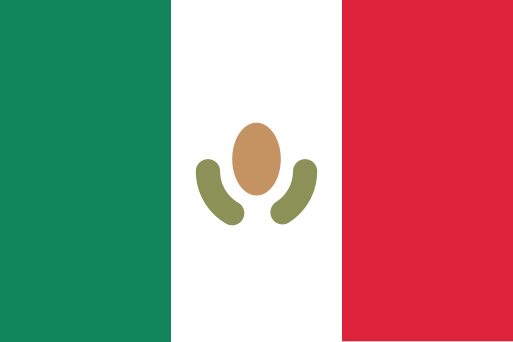
Foto di Alejandro Islas Photograph AC, CC BY 2.0, tramite Wikimedia Commons
Panoramica
Il Messico (in spagnolo México), denominato ufficialmente Stati Uniti Messicani (in spagnolo Estados Unidos Mexicanos; in nahuatl Mexika Sentik Wexteyowalko), è una repubblica federale presidenziale composta da 32 entità federative (31 stati più Città del Messico). Secondo la Costituzione messicana, la sede dei poteri della federazione e capitale dello Stato è Città del Messico. Occupa la parte meridionale dell'America settentrionale e la parte settentrionale dell'America Latina. Il Messico è delimitato a nord dal confine con gli Stati Uniti d'America, a est dal golfo del Messico e dal Mare Caraibico, a sud-est dal Belize e dal Guatemala e a ovest dall'Oceano Pacifico.
Testo da Wikipedia, con licenza CC BY-SA.
Dove andare in Messico

Guadalajara
Messico
Monterrey
Messico
Mérida
Messico
Oaxaca
Messico
Cancún
Messico
Mazatlan
Messico
Puebla
Messico
Tulum
Messico
Playa del Carmen
Messico
Tijuana
Messico
Mexico City
Messico
Querétaro
Messico
San Luis Potosi
Messico
Palenque
Messico
Chichen Itza
Messico
Teotihuacan
Messico
Uxmal
Messico
Taxco
Messico
Gioielli nascosti
Luoghi meno noti che i viaggiatori di Wikivoyage consigliano oltre le grandi città di Messico: villaggi, parchi nazionali e angoli tranquilli. Le brevi descrizioni vengono da quegli elenchi (CC BY-SA).

Cozumel
46 luoghi in elenco
An island with beaches and ruins, popular base camp for scuba divers

Valle de Guadalupe
44 luoghi in elenco
Mexico's top wine country

Lake Patzcuaro
41 luoghi in elenco
A popular vacation area with a mild climate

Isla Mujeres
39 luoghi in elenco
Small cozy retreat close to Cancún

Huasteca Potosina
31 luoghi in elenco
Mountainous region of tropical forests and rivers, traditionally populated by the Huastec indigenous culture, but today home to an even larger number of Nahua

Monarch Butterfly Reserves
25 luoghi in elenco
Protected natural areas in the highlands of the state of Michoacán. Millions of butterflies come to the area between November and March of each year, although numbers have declined sharply. This is a.

Comitán
20 luoghi in elenco
Comitán is the fourth-largest city in the Mexican state of Chiapas. It is the seat of government of the municipality of the same name.

Holbox
19 luoghi in elenco
A tropical paradise away from the hustle and bustle of mega resorts

Progreso
16 luoghi in elenco
66 million years ago, a giant asteroid crashed into the Yucatan Peninsula, creating a 180-km wide crater and destroying most life on Earth. A marker for the point of impact can be seen in the town of Progreso, which also has a scientific museum explaining the cataclysmic event.

Ciudad Valles
14 luoghi in elenco
Its discovery has resulted in a reevaluation of the Huastec culture. A calendar and ball park are part of the discoveries.

Guadalupe Island
13 luoghi in elenco
A remote island that is a destination for diving excursions to see Great White Sharks

Mitla
13 luoghi in elenco
Archaeological site of the Zapotec/Mixtec religious center. Both the town and the prehistoric caves nearby are part of a.

Huatulco
12 luoghi in elenco
Calm yellow-sand beaches, resorts, and ecological preserves - popular with Mexican tourists.

Comalcalco
11 luoghi in elenco
Tabasco's most extensive archaeological site is a 1,500 year old Maya city

Islas Marias
11 luoghi in elenco
Archipelago of four islands, 100 km off the coast of Nayarit, a former penal colony now a UNESCO Biosphere Reserve

Rio Lagartos
11 luoghi in elenco
Breeding ground for pink flamingos. Near site of Las Coloradas, famous pink lagoons.

Sian Ka'an Biosphere Reserve
11 luoghi in elenco
Mangrove swamps, salt marshes, islands, cenotes, beaches, and lots of wildlife

Mexcaltitán
10 luoghi in elenco
Unusual island village that some historians regard to be the original homeland of the Mexica (Aztec) people

Tzintzuntzán
10 luoghi in elenco
Home to the archeological site of Tzintzuntzán and the former monastery complex of San Francisco

Yaxchilan
10 luoghi in elenco
Maya ruins known for its well-preserved sculptured stone lintels set above the doorways of the main structures

Monte Albán
8 luoghi in elenco
In the state of Oaxaca, a Zapotec site dating from about 500 BC. A.

Cuatro Ciénegas
6 luoghi in elenco
Protected nature preserve with unique desert oasis ecosystem. Snorkeling and swimming is allowed in some pools.

Punta Mita
6 luoghi in elenco
A private beachfront village surrounded on three sides by the Pacific Ocean

Paricutin
5 luoghi in elenco
Volcano eats church

Toniná
5 luoghi in elenco
Maya ruins with temple-pyramids set on terraces rising above a plaza, a large ballgame court, and over 100 carved monuments

Copper Canyon
4 luoghi in elenco
An exotic destination for travelers looking for a unique remote adventure! An awesome mountain rail ride -- one of the greatest in the world -- takes you upwards over 2,440 m (8000 feet) on the CHEPE, the Chihuahua al Pacifico Railway. Hiking, horseback riding, birding, and Tarahumara Indians. Copper Canyon, the Sierra Madre and the Chihuahuan desert of Mexico. This area is designed for adventurous individuals who will tolerate some rough travel to get to their points of interest (although the famous train ride isn't demanding at all). Copper Canyon, a magnificent remote wilderness is not likely ever to become a mass market destination.

Kohunlich
4 luoghi in elenco
Large Maya archaeological site, much of it unexplored and unrestored, famous for its Temple of Masks

Pantanos de Centla
4 luoghi in elenco
302.706 hectare protected area of swamps and coastal wetland forests that are home to crocodiles, jaguars, monkeys, and more than 230 bird species

Constitution 1857 National Park
3 luoghi in elenco
Remote park with a highland lake set in a pine forest

Lagunas de Chacahua National Park
3 luoghi in elenco
Fishermen village, mangroves, surf and lot of birdlife.

Lagunas de Montebello National Park
3 luoghi in elenco
A national park with 59 multi-colored lakes in a pine forest and two Maya ruins

Paquime
3 luoghi in elenco
Archaeological site at Casas Grandes in a remote area of Chihuahua. Related to Pueblo culture of the southwestern United States

Selva el Ocote Biosphere Reserve
3 luoghi in elenco
Sprawling natural area with dense jungles in the mountains near Tuxtla Gutierrez

Becan
2 luoghi in elenco
Large ruin in the lower center of the Peninsula, little restored

Bonampak
2 luoghi in elenco
Well known for its murals and Maya ruins

Coba
2 luoghi in elenco
Large ruin that has undergone little restoration

Izapa
2 luoghi in elenco
Oldest, and one of the largest of the Mayan cities

Kabah
2 luoghi in elenco
Medium-sized ruin south of Uxmal

Mayapan
2 luoghi in elenco
Historically important, and related to Chichen Itza culture

Pico de Orizaba National Park
2 luoghi in elenco
Home to a dormant volcano that is Mexico's highest peak.

Tehuacán-Cuicatlán Biosphere Reserve
2 luoghi in elenco
Protected natural area with mountainous desert land and traces of ancient civilizations. A.

Bahia de Los Angeles
1 luogo in elenco
This sport-fishing hot spot provides access to the many islands of this part of the northern Gulf of California

Canyon de Guadalupe
1 luogo in elenco
Hot spring oasis out in the wilderness

Chamela-Cuixmala Biosphere Reserve
1 luogo in elenco
UNESCO Biosphere Reserve preserving dry tropical forests on the Pacific coast

Ek Balam
1 luogo in elenco
A reconstructed Mayan site, famous for its unique decorated stucco and stone-carved temples that you can climb.

Reserva de la Biósfera Calakmul
1 luogo in elenco
Large ruin in jungle preserve, off the tourist trail

Sierra de San Pedro Martir National Park
1 luogo in elenco
Rugged mountain park, home of bighorn sheep and condors

Arrecifes de Alacranes National Park
Ancora nessun luogo in elenco
Atoll in Gulf of Mexico, 125 km off the Yucatan coast, five islands (one of which is inhabited and allows camping), this is a Mexico national park, a UNESCO biosphere reserve, and a Ramsar wetland. It is known for huge frigate bird populations, sport fishing, and scuba diving (reef sites as well as the 1857 shipwreck of the British steamer Tweed)

Arrecifes de Cozumel National Park
Ancora nessun luogo in elenco
It protects the offshore reefs along the western and southern sides of Cozumel, it includes dozens of popular dive sites where you can see tropical fish, coral formations, and other kinds of marine life at depths from 30 feet to more than 150 feet. Many of the sites visited by local dive shops are part of the national park.

Atzompa
Ancora nessun luogo in elenco
1,300 year old Zapotec ruins

Bahia de Loreto
Ancora nessun luogo in elenco
Marine mammal sanctuary with great scuba diving and kayaking

Benito Juarez National Park
Ancora nessun luogo in elenco
Mountainous park just minutes from central Oaxaca city.

Cañada de la Virgen
Ancora nessun luogo in elenco
Archaeological site of a 7th century Otomi observatory with 7 pyramids

Cañón del Sumidero
Ancora nessun luogo in elenco
Canyon and reservoir (includes Christmas Tree Falls)

Cuzamá
Ancora nessun luogo in elenco
Home of three beautiful cenotes

Dzibanche
Ancora nessun luogo in elenco
Maya archaeological site that is thought to have been the seat of the Kaan dynasty in the 5th and 6th centuries

El Cielo Biosphere Reserve
Ancora nessun luogo in elenco
Unusual subtropical rain forest in southern Tamaulipas, a UNESCO Biosphere Reserve

El Tajin
Ancora nessun luogo in elenco
In the state of Veracruz near the town of Papantla. A.

Grutas de Cacahuamilpa National Park
Ancora nessun luogo in elenco
This national park near Taxco is an enormous show cave, and one of the largest in the world. Although more than 90 big rooms (salas) have been explored, only about 20 are open to visitors on tours.

Hierve el Agua
Ancora nessun luogo in elenco
One of two calcified waterfalls in the world, where calcium in the water is deposited on a cliff to create a permanent, white waterfall.

Isla Contoy
Ancora nessun luogo in elenco
An uninhabited small island and bird sanctuary

Isla Tiburon
Ancora nessun luogo in elenco
The largest island in Mexico, located in the Sea of Cortez and a part of the state of Sonora

Islas Marietas
Ancora nessun luogo in elenco
A group of small, uninhabited islands in the Bahia Banderas, lying 8km southwest of Punta Mita. Fragile ecosystem that was closed to public access in 2016 but is now reopen.

Iztacchuatl-Popocateptl National Park
Ancora nessun luogo in elenco
Large national park encompassing parts of Mexico state, Puebla, and Morelos. Twin volcanoes, hiking trails, an old hacienda, and historic monasteries (UNESCO World Heritage sites).

La Primavera Biosphere Reserve
Ancora nessun luogo in elenco
UNESCO Biosphere Reserve protecting a small mountain range of inactive volcanoes just outside Guadalajara

Maderas del Carmen Biosphere Reserve
Ancora nessun luogo in elenco
Just across the river from Big Bend National Park is a large wilderness area; spectacular mountain landscapes but no tourist infrastructure

Montes Azules Biosphere Reserve
Ancora nessun luogo in elenco
Protected natural area in the Lacandon Jungle with 500 species of tree and nearly 400 species of bird

Naha-Metzabok Biosphere Reserve
Ancora nessun luogo in elenco
Protected natural area in the Lacandon Jungle with 24 lakes and Lacandon Maya cultural sites

San Lorenzo Marine Archipelago National Park
Ancora nessun luogo in elenco
Remote marine environment with five islands in the Sea of Cortez

Sierra de Manantlan Biosphere Reserve
Ancora nessun luogo in elenco
UNESCO Biosphere Reserve protecting a mountainous west coast region of Jalisco and Colima

Sierra de Organos National Park
Ancora nessun luogo in elenco
Scenic park with hundreds of unusual rock formations, on the border with the state of Durango

Sierra Gorda Biosphere Reserve
Ancora nessun luogo in elenco
UNESCO Biosphere Reserve in the mountains of eastern Queretaro

Sierra la Laguna Biosphere Reserve
Ancora nessun luogo in elenco
Small mountain range with forested highland "islands" amid a desert landscape

Volcan Nevado de Colima National Park
Ancora nessun luogo in elenco
Twin volcanoes, one very active, one dormant. The dormant one is great for hiking, backpacking, and mountaineering.

Volcán Tacaná
Ancora nessun luogo in elenco
Active volcano on the border between Mexico and Guatemala, a UNESCO Biosphere Reserve
Santiago Apoala
4 luoghi in elenco
Waterfalls and beautiful hikes in the Mixtec mountains.
Edzna
3 luoghi in elenco
Discovered in the 1950s, the well preserved site an hour's drive from Campeche
El Castaño
1 luogo in elenco
Ecotourism in the heart of the tallest mangroves in North America
La Sepultura Biosphere Reserve
1 luogo in elenco
Forested mountain ranage protects watersheds and provides habitat to bird, mammal, and reptile species
El Vizcaíno Biosphere Reserve
Ancora nessun luogo in elenco
Whale sanctuary, desert, and mountains with pre-historic cave drawings
Isla Isabel National Park
Ancora nessun luogo in elenco
Pacific island, 34 km off the coast of Nayarit, protected natural habitat
La Encrucijada Biosphere Reserve
Ancora nessun luogo in elenco
Tallest mangroves in North America in a wetlands area with two large lagoons, 11 rivers, and countless channels weaving between aquatic grasses, trees, and islands
Laguna Miramar
Ancora nessun luogo in elenco
The largest lake in the Lacandon Jungle at 40 km in diameter
San Quintin National Park
Ancora nessun luogo in elenco
Remote coastal beach area on San Quintin Bay
Volcan El Chichón
Ancora nessun luogo in elenco
Active volcano that was presumed dormant until violently erupting three times within a few weeks in 1982, destroying 9 villages and killing 1,900 people
Festività
Giorni festivi nazionali in Messico nei prossimi dodici mesi. Uffici, banche e molti negozi chiudono, e trasporti e alloggi sono più affollati. Le feste regionali e locali non sono incluse, e le festività legate alla luna possono spostarsi di un giorno.
- Natale di Gesù · Navidad
- Capodanno · Año Nuevo
- Constitution Day · Día de la Constitución
- Benito Juárez's birthday · Natalicio de Benito Juárez
- Festa del lavoro · Día del Trabajador
- Independence Day · Día de la Independencia
- Revolution Day · Día de la Revolución
Date dal progetto date-holidays, basato in gran parte su Wikipedia (CC BY-SA 3.0). I nomi sono nella tua lingua quando esiste una traduzione. Verifica sul posto prima di organizzarti intorno a una festività.
Viaggiare in Messico
Questa parte è in inglese, come è scritta su Wikivoyage.
Spostarsi nel paese
Travelling in Mexico is most practical by bus, car, or air. Passenger transport by train is possible in some areas. most extensively in the Yucatán Peninsula, with its modern Tren Maya service. The Chihuahua del Pacifico railroad is one of the most scenic railroads in the world, passing through the Copper Canyon, and departing from Los Mochis on the Pacific coast, or Creel in the east. They cross each other roughly midways at Divisadero and Barrancas Copper Canyon stations at an altitude of.
By car. Due to a government scheme in the early 1990s to create infrastructure, the best roads are toll roads. Toll roads can be relatively costly but are much faster and better maintained. First-class buses generally travel by toll roads (and the toll is included in the ticket price). US vehicle insurance is not valid in Mexico. Mexican auto insurance has been required since 2018; if you have even a minor accident without insurance, you could land in jail. MexiPass and AAA offer Mexican auto insurance. When traveling on Mexican roads, especially near the borders with the United States and Guatemala, one will probably encounter several checkpoints operated by the Mexican Army searching for illegal weapons and drugs. If you are coming from the United States, you may not be used to this, and it can be intimidating. However, these are rarely a problem for honest people. Simply do what the soldiers tell you to do, and treat them with respect.
Denaro e costi
Money. The currency of Mexico is the peso, denoted in Mexico as "$" (ISO code MXN) and in Wikivoyage as "M$". It is divided into 100 centavos. Prices in US dollars (in tourist areas) are labeled "US$" or sport an S with a double stroke. Coins are issued in denominations of 5, 10 (steel), 20, and 50 centavos (brass; new 50-centavo coins issued from 2011 onwards are steel and smaller in size) and 1, 2, 5 (steel ring, brass center), 10, 20, 50, and 100 pesos (brass ring, steel or silver center), but it's extremely rare to find coins valued at more than 10 pesos. Banknotes are produced in denominations of 20 (blue or green and pink), 50 (pink-red or purple), 100 (red), 200 (green), 500 (brown or blue), and 1,000 (purple and pink for the latest issue, purple for older issues) pesos. The current issue of 20-, 50- and 100-peso bills are made from polymer plastic, and there are several different series of all banknotes. Ten-peso notes exist, but are very rare and no longer issued and accepted, but remain legal tender.
Acceptance of other currency. "Old" pesos (coins and banknotes issued before 1993) are no longer accepted, but are usually collected by numismatists. Merchants may accept US dollars at a lower exchange rate. US dollars are sometimes accepted in border towns and in some tourist areas. Even when US dollars are accepted, pesos are preferred.
Lingua
Spanish is the de facto national language. Spanish is used by virtually the whole population and all public communications (signs, documents, media, etc.) are conducted in the language. Mexico has one of the richest diversity of indigenous languages with more than 60 officially recognized languages in current use. These languages are spoken within the communities that are largely segregated from mainstream mestizo society. About 5% of Mexicans speak an indigenous language. Most speakers in these indigenous communities are fluent in Spanish as well. The most widely spoken Indigenous languages are Nahuatl (with about 1.5 million speakers) and Yucatec Maya (with less than 1 million speakers, though several variants of Maya-family languages push the total to nearly 2 million).
Usi e buone maniere
]] Mexicans have a somewhat relaxed sense of time so it's vital to be patient. Arriving half an hour late is common and should not be taken in a negative light. When anyone, even a total stranger, sneezes, you always say "¡salud!" ("bless you!" or more literally, "your health!"): otherwise, it is considered rude. In rural areas, particularly in the Mexican heartland (Jalisco, Zacatecas, Aguascalientes, etc.), the even more pious "Jesús te bendiga" (May Jesus bless you) will follow a sneeze. Attitudes towards LGBT travellers can be hostile in more rural states, but Mexico City is very LGBT friendly as are popular beach resort areas such as Cancun, Puerto Vallarta, and Acapulco. By court order, all states in Mexico either allow the performance of same-sex marriages, or recognize such marriages when performed in other states. Same-sex marriage is performed in Mexico City and in the states of Aguascalientes, Baja California, Baja California Sur, Campeche, Chiapas, Chihuahua, Coahuila, Colima, Hidalgo, Jalisco, Michoacán, Morelos, Nayarit, Nuevo León, Oaxaca, Puebla, Quintana Roo, San Luis Potosí, Sinaloa, Sonora and Tlaxcala as well as in certain municipalities in Guerrero and Zacatecas. It is pending publication in Querétaro, and being prepared for legislation in Yucatán. Southern Mexico City is the best place in terms of tolerance. When entering churches, always take off any sunglasses, caps or hats.
Sensitive issues. Show respect to Mexico's laws.
Telefono e internet
Cell phones are the most convenient, and usually most inexpensive, way to talk. Before going to Mexico, call your cell phone provider and verify that you have international roaming enabled (and make sure you know what charges you should expect, for domestic and international voice calls and for data, since you will want to use your maps and Uber apps). You can make international calls free if you have an app like WhatsApp or Telegram and connect to Wi-fi before using it. Data rates can be high for cell phone users, but you can manage them by turning off data in your phone's settings except for when you actively want to use an app. If you're going to be in Mexico for an extended period of time, it might be cheaper to use Mexican carriers, either by buying a SIM card or a cheap throwaway phone. If you have an unlocked GSM phone, you can buy a prepaid SIM card in Mexico. The most expensive provider Telcel provides good coverage throughout the country. A SIM card for the Telcel brand amigo express is for M$29 (Nov 2021) e.g., in an Oxxo store. The first recharge must be at least M$50 (Nov 2021).
Sicurezza
Mexico has a reputation for being a dangerous country — a reputation that's not entirely unwarranted — but the average traveller should not be too overly concerned or cautious of their surroundings. A lot of the crime occurs between those involved in the drug trade or organized crime. (See drug traffic issues for more information)In most cities, location is very important as security changes from place to place. Areas close to downtown (centro) are safer to walk at night, especially on the "Plaza", "Zócalo" or "Jardín" (main square) and areas nearby. Stay in populated areas, avoid poor neighborhoods, especially at night, and don't walk there at any time if you are alone. Vicious beatings have been reported at resorts by people who have travelled alone, so stay alert for any suspicious-looking individual. If you wish to visit one of the slums, you should only go as part of a guided tour with a reputable guide or tour company. Political violence in Chiapas and Oaxaca has abated, and is far less of a threat than drug-related crime. However, Mexican authorities do not look approvingly on foreigners who participate in demonstrations (even peaceful ones) or voice support for groups such as the Ejército Zapatista de Liberación Nacional and its leader, Subcomandante Marcos, even if their images and slogans are commonly sold on t-shirts and caps in markets. Do not wave cash or credit cards around. Use them discreetly and put them away as quickly as possible.
Dalla guida di Wikivoyage, scritta dai viaggiatori (CC BY-SA), abbreviata. Per ingresso, visti, salute e sicurezza attuale controlla sempre gli avvisi di viaggio ufficiali del tuo governo (link sopra).