

België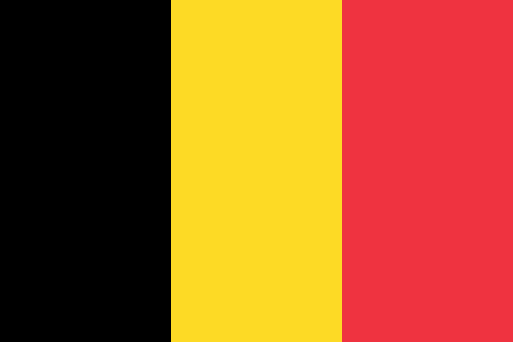
Foto van EmDee, CC BY-SA 3.0, via Wikimedia Commons
Overzicht
België, officieel het Koninkrijk België, is een West-Europees land dat aan de Noordzee ligt en aan Nederland, Duitsland, Luxemburg en Frankrijk grenst. Het land is 30.689 km² groot en heeft een bevolking van meer dan 11.868 miljoen inwoners (6.898 miljoen in het Vlaams Gewest, 3.713 miljoen in het Waals Gewest en 1.256 miljoen in het Brussels Hoofdstedelijk Gewest). Brussel is de hoofdstad van België en tevens het bestuurlijk centrum van de Europese Unie en de NAVO. Het land heeft drie officiële talen: een kleine zestig procent van de bevolking spreekt Nederlands, vooral in Vlaanderen, veertig procent spreekt Frans, vooral in Wallonië en Brussel, en minder dan een procent spreekt Duits, in de Oostkantons.
Tekst van Wikipedia, onder licentie CC BY-SA.
Waar naartoe in België

Brussels
België
Ghent
België
Tongeren
België
Lier
België
Bruges
België
Liège
België
Bouillon
België
Antwerp
België
Veurne
België
Nieuwpoort
België
Leuven
België
Vresse-sur-Semois
België
Durbuy
België
Waterloo
België
Bokrijk
België
Han-sur-Lesse
België
Hoge Kempen National Park
België
Lommel
België
Malmedy
België
Annevoie Castle
België
Celles
België
Rochefort
België
Mons
België
Mechelen
België
Stavelot
België
Villers Abbey
België
De Haan
België
Poperinge
België
Ostend
België
Hasselt
België
Redu
België
Ypres
België
Diest
België
Herentals
België
Orval Abbey
België
Spa
België
Namur
België
Sint-Niklaas
België
Oudenaarde
België
Tournai
België
Zoutleeuw
België
Knokke-Heist
België
Damme
België
Huy
België
La Roche-en-Ardenne
België
Chimay
België
High Fens
België
Verborgen parels
Minder bekende plekken die reizigers op Wikivoyage aanraden buiten de grote steden van België: dorpen, nationale parken en rustige hoekjes. De korte beschrijvingen komen uit die lijsten (CC BY-SA).

Kraainem
48 plekken vermeld
A municipality with a rich industrial history on the outskirts of Brussels with many historical landmarks.

Grimbergen
23 plekken vermeld
Known for the beer with the same name, risen to worldwide fame, but still produced in its abbey.

Dinant
20 plekken vermeld
Small city in a stunning natural setting, a popular spot for adventure sports such as canoeing and rock-climbing, best visited in winter

Tervuren
13 plekken vermeld
Known for its proximity to the lush Sonian Forest, its parks, and royal summer residence.

Welkenraedt
11 plekken vermeld
Welkenraedt is a municipality of Wallonia located in the province of Liège, Belgium.

Cambron-Casteau
10 plekken vermeld
Its most notable attraction is animal park Pairi Daiza

Pottes
8 plekken vermeld
Pottes is a small Belgian village in the Celles Region which is in the North of the Province of Hainaut, not so far from Flanders.

Neupré
4 plekken vermeld
Neupré is a municipality of Wallonia located in the province of Liège, Belgium.

Hermalle-sous-Huy
1 plek vermeld
Hermalle-sous-Huy is a district of the municipality of Engis, located in the province of Liège in Wallonia, Belgium.

Spiennes
1 plek vermeld
Spiennes is a sub-municipality of the city of Mons located in the province of Hainaut, Wallonia, Belgium. It was a separate municipality until 1977. On 1 January 1977, it was merged into Mons.
Feestdagen
Landelijke vrije dagen in België in de komende twaalf maanden. Kantoren, banken en veel winkels sluiten, en vervoer en overnachtingen worden drukker. Regionale feestdagen en lokale feesten staan er niet bij, en feestdagen die de maan volgen kunnen een dag verschuiven.
- Kerstmis · Noël
- Nieuwjaar · Nouvel An
- Paasmaandag · Lundi de Pâques
- Dag van de Arbeid · Fête du travail
- Hemelvaartsdag · Ascension
- Pinkstermaandag · Lundi de Pentecôte
- Nationale feestdag · Fête nationale
- Tenhemelopneming · Assomption
- Allerheiligen · Toussaint
- Wapenstilstand · Armistice
Data van het project date-holidays, grotendeels gebaseerd op Wikipedia (CC BY-SA 3.0). Namen staan in je eigen taal waar een vertaling bestaat. Controleer het ter plaatse voordat je je reis eromheen plant.
Reizen in België
Dit deel staat in het Engels, zoals het op Wikivoyage is geschreven.
Reizen door het land
Being such a small country (300 km as its maximum distance), you can get anywhere in a couple of hours. Public transport, when fully functioning, is fast and comfortable, and not too expensive. Between larger cities, there are frequent train connections, with buses covering smaller distances. A useful site is Smart Mobility Planner, which has a door-to-door routeplanner for the whole country, covering all forms of public transport (including train, bus, subway and tram). A look on the map shows that Brussels is a good starting point to explore Antwerp, Ghent, Bruges, Namur and Leuven on day trips. Antwerp is popular among those who want to be in a cosmopolitan place, and Ghent is tops with those who like a good mix of open-minded provincialism. Liège is beautiful, but too close to Germany to be a good base for day trips. Mechelen is considered boring by tourists, but has a very good youth hostel next to a train station with trains to everywhere else every 30 min. To do some local sightseeing, especially in Flanders, a lot of infrastructure is available for cycling. Bikes can be rented virtually everywhere. In the country side of Wallonia, mountainbikes are available, and rafting is popular along the border with Luxembourg.
By train. Belgiantrain.be journey planner Most of Belgium is well connected by train, run by Belgian Railways (NMBS in Dutch and SNCB in French) with most of the main routes passing through Antwerp, Namur or Brussels.
Geld en kosten
Tipping. Tipping in Belgium is not usually done as service charge is always included. However, you may tip as a sign of appreciation. Usually, this is done by paying in bank notes with a total value slightly higher than the price of the meal and telling the waiter/waitress that they can keep the change.
Items. Belgian chocolate: A long tradition has given Belgian chocolate a superior refinement process that is recognised worldwide. Laces in Bruges Designer fashions in Antwerp Jewelry in one of Antwerps many jewelry shops Beer Belgian comic books and related merchandising, especially in Brussels
Taal
Belgium has three official languages at the federal level: Dutch, French and German. However, one will quickly notice that the Belgian versions of these languages possess a few idiosyncrasies: Flemish Dutch is not always easy to understand for other Dutch speakers. A lot of words used in Flanders would be considered "archaic" even in former Dutch colonies. Furthermore, Flemish Dutch is a lot less guttural than its northern counterpart. Many Flemish people, especially the elderly, speak dialects; many others speak tussentaal, or Dutch with strong dialectal influence. However, if you are not a native speaker and try to put your Dutch skills to use, people will gladly use Standard Dutch.
Gewoonten en omgangsvormen
Giving tips in bars or restaurants is virtually unheard of, even in larger cities. Doing so shows that you were satisfied with the service given, but you are absolutely not obliged to do so. Depending on the total, a tip of to is considered generous. Belgians in general are very proud of their comic book artists. The "Belgian school of comic books" is hailed as a national point of pride. There are dozens of beautiful yet expensive merchandise items, and the Belgians are fond of them. A plastic figurine of a comic book character or a special artwork of a hailed comic book artist would be a perfect gift for your Belgian friends and in-laws, for example. Try to show appreciation for some of the things made in Belgium. For instance, fries, beers, comic books, chocolate, and the like. Inquiries about them will be welcomed and appreciated by the vast majority of Belgians. As a rule of thumb, do not speak French in Flanders or Dutch in Wallonia. Even if you're looking to practice your language skills, try not to speak the "wrong" language in the wrong region, as this can sometimes be considered offensive. Like with many countries, the best option is to ask first if someone speaks English or French in Flanders, or Dutch/English in Wallonia. Although you will generally find many more French speakers in Flanders than Dutch speakers in Wallonia, the former may not, for political reasons, want to speak French to you.
Telefoon en internet
Belgium has a modern telephone system with nationwide cellular telephone coverage, and multiple internet access points in all cities, free in most libraries. Also in multiple gas stations, NMBS/SNCB train stations and diners on the highways there is Wi-Fi available. Many cafés offer free Wi-Fi nowadays, but don't write it on the door for whatever reason... if you can't find any you can always fall back on Quick, McDonald's, Lunch Garden, Exki, Carrefour Planet or Starbucks which all offer free Wi-Fi. Belgium has some of the slowest internet speeds in Western Europe.
Mobile. Belgium uses the GSM standard of cellular phones (900 MHz and 1800 MHz bands) used in much of the world except parts of the Americas. There are three main companies (Proximus, Orange and Base, and a large number of MVNOs) offering wireless service. The country is almost totally covered. It is no longer possible to buy anonymous prepaid SIM cards in Belgium as a result of new Belgian anti-terror legislation. Buying a SIM card in advance from Mobile Vikings now requires name and address registration.
Veiligheid
With the notable exceptions of certain major urban areas like Brussels (mostly the northern and western sections of the region), Antwerp (the southern neighbourhoods), and Walloon cities bordering France (Mons, Mouscron), Belgium is a very safe country. Tourists will feel perfectly fine by taking basic precautions, like not flashing expensive jewelry or avoiding poorly-lit streets. If you ever fall victim to crime, the emergency phone number in Belgium (fire, police, paramedics) is 112.
Pickpocketing and other crimes. Violent crimes are generally uncommon in Belgium, but as with much of Europe, petty crimes like pickpocketing do occur, mostly in Brussels and more touristy cities like Bruges and Antwerp. Aggravated assaults have occurred sporadically throughout the years, but they rarely involve tourists. Brussels and other major cities have seen a surge of assaults against women
Racism. As a country marked by continued waves of immigration, Belgium is one of the world's most multicultural nations. However, there are still rural areas with much fewer immigrants and certain types of skin tones can still attract unwanted attention. People of North African or Middle Eastern ancestry in particular may attract violent stares and resentment from older generations in rural areas and wealthier sections of Brussels and Antwerp.
LGBTQ. By many measures, Belgium is one of the most LGBTQ-friendly nations in the world. Some of Europe's biggest gay prides happen here, and Brussels has one of the world's most lively gay scenes.
Uit de Wikivoyage-gids, geschreven door reizigers (CC BY-SA), ingekort. Kijk voor inreisregels, visa, gezondheid en de actuele veiligheid altijd in het officiële reisadvies van je overheid (zie de links hierboven).