

Finland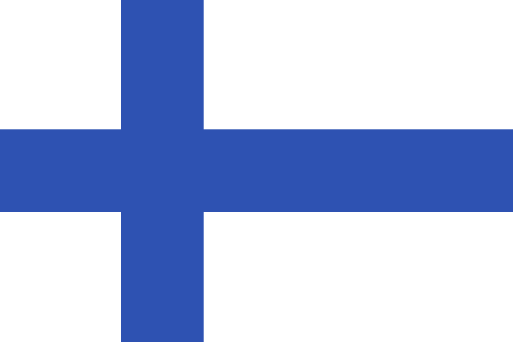
Foto van Michal Pise, Michal.Pise, CC BY 2.0, via Wikimedia Commons
Overzicht
Finland (Fins: Suomi; Zweeds: Finland; Noord-Samisch: Suopma), officieel de Republiek Finland, is een land in Noord-Europa met 5.571.665 (2020) inwoners. Finland grenst in het oosten aan Rusland, in het noorden aan Noorwegen en in het noordwesten aan Zweden. Ten zuiden wordt het van Estland gescheiden door de Finse Golf. Ten westen ligt de Botnische Golf en ten zuidwesten de Oostzee, aan de overkant waarvan weer Zweden ligt. In de Oostzee ligt de eilandengroep Åland, die als autonoom gebied ook bij de republiek Finland behoort. De hoofdstad is Helsinki, en de op een na grootste stad en stedelijk gebied is Tampere, dat ongeveer 180 kilometer ten noorden van Helsinki ligt. Finland wordt wel 'het land van de duizend meren' genoemd; in werkelijkheid zijn er ongeveer 168.000 meren. Het grootste meer is het Saimaameer. In het zuidoosten is het land bespikkeld met ontelbare meren en meertjes.
Tekst van Wikipedia, onder licentie CC BY-SA.
Waar naartoe in Finland


Verborgen parels
Minder bekende plekken die reizigers op Wikivoyage aanraden buiten de grote steden van Finland: dorpen, nationale parken en rustige hoekjes. De korte beschrijvingen komen uit die lijsten (CC BY-SA).

Ruka
54 plekken vermeld
Rukatunturi is a 492 metres (1,614 ft) high fell and a ski resort in Kuusamo, Finland. Apart from downhill skiing, there are over 500 km of cross-country skiing tracks. Also snowmobiles can be rented to enjoy some of the area's 600 km of snowmobile routes. Ruka is also the southern end of the Karhunkierros hiking trail. The total of trails in Ruka and Kuusamo area is: 160 km of hiking trails, 605 km of biking routes, 350 km of classified paddling routes and 100 km of boating routes.

Tornio
51 plekken vermeld
Maritime national park in the northernmost corner of the Baltic Sea

Raseborg
44 plekken vermeld
Raseborg is a town in Finland, located in the southern coast of the country. Raseborg is situated in the western part of the Uusimaa region. The population of Raseborg is approximately 27,000, while the sub-region has a population of approximately 40,000. It is the 39th most populous municipality in Finland.

Levi
36 plekken vermeld
Saariselkä and Ylläs — popular winter sports resorts in Lapland

Rautalampi
33 plekken vermeld
Rautalampi is a municipality of Finland. It is located in the North Savo region. The municipality has a population of 2,928 and covers an area of 761.98 square kilometres (294.20 sq mi) of which 222.99 km2 (86.10 sq mi) is water. The population density is 5.43 inhabitants per square kilometre (14.1/sq mi). The municipality is unilingually Finnish.

Posio
31 plekken vermeld
Southernmost true fells in Finland

Saariselkä
30 plekken vermeld
Largish winter sports centre by Urho Kekkonen National Park (Inari, North-east Lapland)

Kilpisjärvi
26 plekken vermeld
"the Arm of Finland" offers scenic views and the highest hills in Finland

Urho Kekkonen National Park
25 plekken vermeld
Good services near the roads and large backcountry wilderness.

Pyhä
24 plekken vermeld
By Pyhä-Luosto National Park (Pelkonsenniemi, South-east Lapland)

Enontekiö
19 plekken vermeld
"The arm of Finland", offers the highest hills and beautiful scenery.

Forssa
19 plekken vermeld
Forssa is a town and municipality of Finland. It is located almost in the centre of a triangle defined by the three largest major cities in Finland, in the Kanta-Häme region, and which is crossed by Highway 2 between Pori and Helsinki and Highway 10 between Turku and Hämeenlinna. The town has a population of 16,307 and covers an area of 253.38 square kilometres (97.83 sq mi) of which 4.61 km2 (1.78 sq mi) is water. The population density is 65.53 inhabitants per square kilometre (169.7/sq mi). Only a little part of the surface area of Forssa is water, but the river Loimijoki forms an important element in the cityscape, with the city being located at its starting point. Other notable water areas in Forssa include the lake Kaukjärvi and the lake Koijärvi, known as the birthplace of the Green League.

Pudasjärvi
17 plekken vermeld
Pudasjärvi is a town and a municipality of Finland. It is located in the province of Oulu and is part of the Northern Ostrobothnia region, 87 kilometres (54 mi) northeast of the city of Oulu and 130 kilometres (81 mi) southwest of the town of Kuusamo. The town has a population of 7,168 and covers an area of 5,867.23 square kilometres (2,265.35 sq mi) of which 228.67 km2 (88.29 sq mi) is water. The population density is 1.27 inhabitants per square kilometre (3.3/sq mi). In terms of area, Pudasjärvi is the second largest township in Finland and one of the largest in the world. It's also one of the most sparsely inhabited.

Hiidenportti National Park
16 plekken vermeld
Impressive gorge and untouched forests

Nuorgam
15 plekken vermeld
The northernmost village of the European Union.

Vaala
15 plekken vermeld
Tiny national park with impressive post-glacial formations

Äkäslompolo
14 plekken vermeld
And Ylläs – two ski resorts by the Ylläs fell

Kvarken Archipelago
14 plekken vermeld
Post-glacial bouncing coast with De Geer moraines

Nuuksio National Park
14 plekken vermeld
Pint-sized but pretty national park a stone's throw from Helsinki

Ruovesi
13 plekken vermeld
Popular natural destination known for its gorge valley formed during the Ice Age

Bothnian Sea National Park
12 plekken vermeld
Lighthouses, seals and waterfowl, accessible with tour boat, a few spots also by road

Oulanka National Park
12 plekken vermeld
Hiking route Karhunkierros is the most popular hiking route in Finland

Utö
12 plekken vermeld
The outermost inhabited island

Ylläs
12 plekken vermeld
By Pallas-Yllästunturi National Park (Kolari, North-west Lapland)

Kevo Strict Nature Reserve
11 plekken vermeld
An impressive canyon with a 64-km hiking trail

Luosto
11 plekken vermeld
Ski and safari resort, home to the only open amethyst mine in Europe
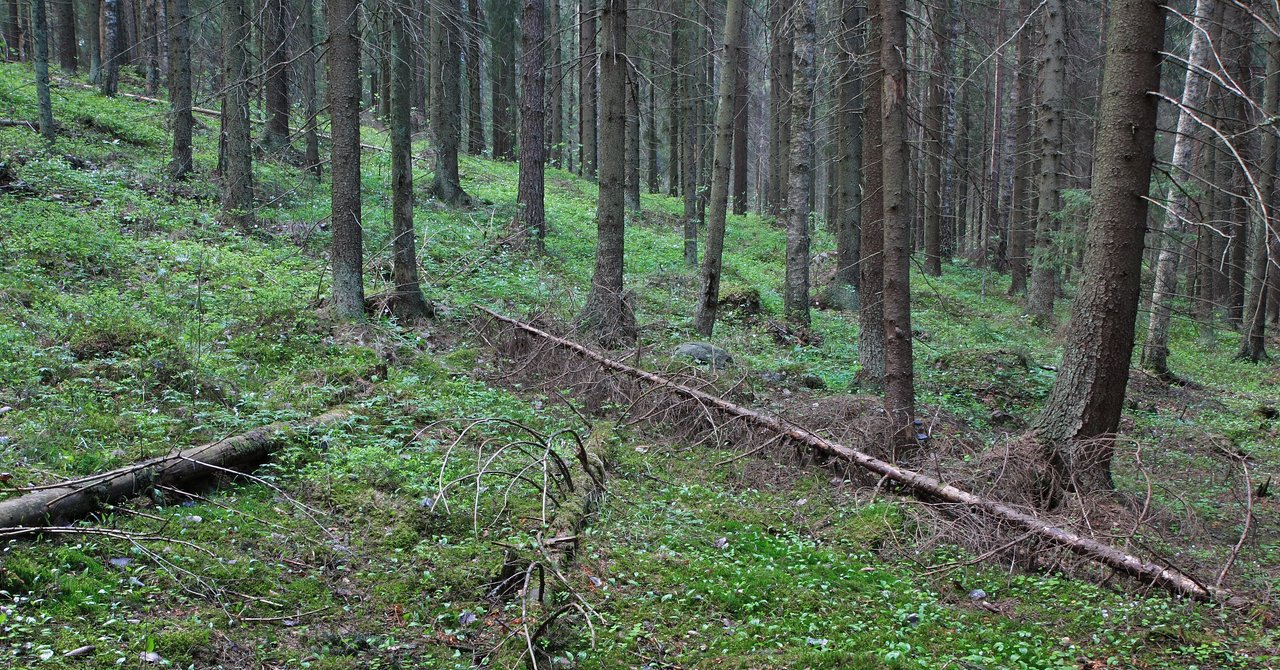
Sipoonkorpi National Park
11 plekken vermeld
Sipoonkorpi National Park is a national park in Finland. It was established on March 2, 2011. It is located in the municipalities of Helsinki, Vantaa and Sipoo.

Jurmo
10 plekken vermeld
Remote barren island with special nature

Kuhmoinen
10 plekken vermeld
Kuhmoinen is a municipality of Finland, in Pirkanmaa region, but until 2021, it was part of the Central Finland region. The municipality is home to 1,979 inhabitants.

Lemmenjoki National Park
10 plekken vermeld
Gold digging grounds of Lapland, and one of the largest wilderness areas in Europe

Muotkatunturit Wilderness Area
10 plekken vermeld
True wilderness with quite easy terrain, partly above the treeline, with few marked trails and few services

Örö
9 plekken vermeld
Former coastal fort; meadows with rare butterflies, old forests and nice cliffs and beaches

Nötö
8 plekken vermeld
In the centre of the archipelago south of Nagu

Padasjoki
8 plekken vermeld
Padasjoki is a municipality of Finland. It is located in the province of Southern Finland and is part of the Päijät-Häme region. It is 53 kilometres (33 mi) from Padasjoki to Lahti and 65 kilometres (40 mi) to Heinola. The municipality has a population of 2,656 and covers an area of 729.85 square kilometres (281.80 sq mi) of which 206.68 km2 (79.80 sq mi) is water. The population density is 5.08 inhabitants per square kilometre (13.2/sq mi).

Jämsä
7 plekken vermeld
Jämsä is a town and municipality of Finland. It is located in the Central Finland region, about 58 kilometres (36 mi) southwest of Jyväskylä. The municipality has a population of 19,020, which makes it the second most populous town of the Central Finland after Jyväskylä. It covers an area of 1,823.90 square kilometres (704.21 sq mi) of which 252.57 km2 (97.52 sq mi) is water. The population density is 12.1 inhabitants per square kilometre (31/sq mi).

Sotkamo
7 plekken vermeld
Internationally renowned ski and sports resort, also popular spa

Suomussalmi
7 plekken vermeld
National park established in 2017 and famous for its prehistoric rock paintings

Huittinen
6 plekken vermeld
Huittinen is a town and municipality in Finland. It is located in the Satakunta region, 63 kilometres (39 mi) southeast of Pori and 75 kilometres (47 mi) southwest of Tampere. The town has a population of 9,546 and covers an area of 539.59 square kilometres (208.34 sq mi) of which 6.97 km2 (2.69 sq mi) is water. The population density is 17.92 inhabitants per square kilometre (46.4/sq mi).

Rantasalmi
6 plekken vermeld
Hundreds of islands in northern Saimaa. The most probable place to meet endemic Saimaa ringed seal.

Riisitunturi National Park
6 plekken vermeld
Riisitunturi National Park is a national park in Posio, Finnish Lapland. It was established in 1982 and covers 77 square kilometres (30 sq mi). The park is in a mountainous area, and there are also many swamps, especially hillside swamps.

Själö
6 plekken vermeld
Lush island with research station and former leper hospital

Gullkrona
4 plekken vermeld
Island with popular guest harbour

Isojoki
4 plekken vermeld
Highest point of Western Finland

Koli National Park
4 plekken vermeld
Scenic national park in Eastern Finland, symbol for the nature of the country

Kurjenrahka National Park
4 plekken vermeld
Open bogs, small lakes, and old growth forest. Accessible with public transportation from Turku

Pallas-Yllästunturi National Park
4 plekken vermeld
Even better services, and somewhat closer to Rovaniemi.

Ylöjärvi
4 plekken vermeld
Ylöjärvi and Ikaalinen

Suomu
3 plekken vermeld
A small but popular ski resort

Bengtskär
1 plek vermeld
Skerry with lighthouse by the open sea

Karkali Strict Nature Reserve
Nog geen plekken vermeld
A nature reserve on a peninsula in Lohjanjärvi, including the largest limestone cave in Finland.

Leivonmäki National Park
Nog geen plekken vermeld
Leivonmäki National Park is a national park in Central Finland, in the municipality of Joutsa. It was established in 2003 and covers 29 square kilometres (11 sq mi).
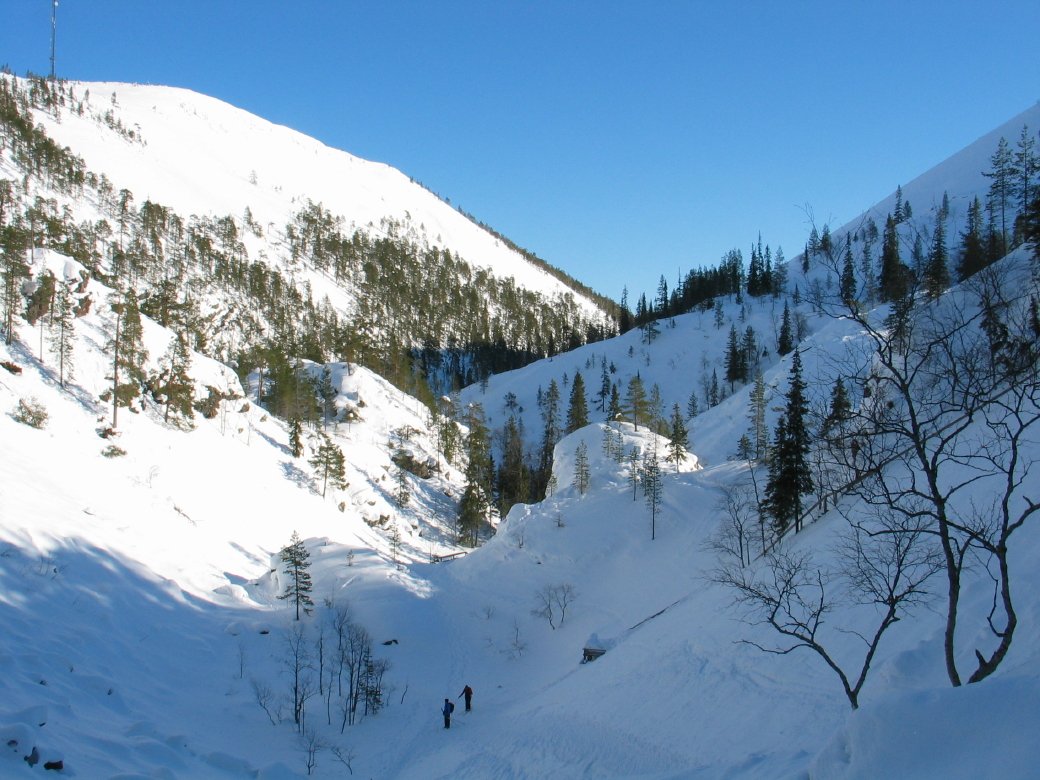
Pyhä-Luosto National Park
Nog geen plekken vermeld
Small but impressive national park with an amethyst mine

Salamajärvi National Park
Nog geen plekken vermeld
Mires, lakes, ponds and forests
Käsivarsi Wilderness Area
14 plekken vermeld
This is where the Finland's highest fells are
Feestdagen
Landelijke vrije dagen in Finland in de komende twaalf maanden. Kantoren, banken en veel winkels sluiten, en vervoer en overnachtingen worden drukker. Regionale feestdagen en lokale feesten staan er niet bij, en feestdagen die de maan volgen kunnen een dag verschuiven.
- Onafhankelijkheidsdag · itsenäisyyspäivä
- Kerstmis · joulupäivä
- Tweede kerstdag · tapaninpäivä
- Nieuwjaar · uudenvuodenpäivä
- Driekoningen · loppiainen
- Goede Vrijdag · pitkäperjantai
- Pasen · pääsiäispäivä
- Tweede paasdag · toinen pääsiäispäivä
- Dag van de Arbeid · vappu
- O.L.H. Hemelvaart · helatorstai
- Pinksteren · helluntaipäivä
- Midsummer Day · juhannuspäivä
- Allerheiligen · pyhäinpäivä
Data van het project date-holidays, grotendeels gebaseerd op Wikipedia (CC BY-SA 3.0). Namen staan in je eigen taal waar een vertaling bestaat. Controleer het ter plaatse voordat je je reis eromheen plant.
Reizen in Finland
Dit deel staat in het Engels, zoals het op Wikivoyage is geschreven.
Reizen door het land
Finland is a large country and travelling is relatively expensive. Public transportation is well organised and the equipment is always comfortable and often new, and advance bookings are rarely necessary outside the biggest holiday periods, but buying tickets on the net in advance (preferably as soon as you know your plans) may give significantly lower prices. Trains are usually the most comfortable and fastest method of inter-city travel, while bus may be needed for smaller towns and the countryside. There are several route planners available. VR and Matkahuolto provide timetable service nationwide for trains and coaches, respectively, and there are several regional and local planners. As of 2020, Google Maps and Apple Maps have coverage nationally. Opas.matka.fi includes train traffic, domestic flights, local transport of many cities and towns and public service obligation traffic (i.e. services offered on behalf of the government) in the countryside. Matkahuolto Reittiopas is focused on local, regional and long-distance buses and trains. There are deficiencies in most or all of the planners, so try different names (perhaps an intermediate town, or one which should be later on the same coach line) and main stops if you don't get a connection, and do a sanity check when you get one. You might also want to check more than one when services shown are sparse or complicated. Knowing the municipality and the name in both Finnish and Swedish is useful.
By train. VR (Valtion Rautatiet, lit.
Geld en kosten
Money. The vast majority of payments in Finland are electronic, and most Finns use a debit card for their daily purchases. Credit cards – mainly VISA and MasterCard – are widely accepted, and contactless payment readers that also accept Google and Apple Pay are commonplace. Amex (American Express) is accepted in most chain hotels, in some restaurants and in some stores, especially big ones; chances may be slimmer in independents. A small but increasing number of businesses accept only card. If you don't have a chip and PIN, expect a hassle – personnel isn't used to asking for signatures, and many places where you need your card won't even be manned. Vending machines are getting mostly card-only as of the 2020s. For cash transactions in Finland all sums are rounded to the nearest five cents. Thus one- and two-cent coins are seldom used (although legal tender) and the rare Finnish ones are collectors' items. If paying by other means (card, mobile payments), the sum is honoured to the cent. Prices are usually given without explicitly stating the currency. As in most European countries, the decimal separator is a comma, so 5,50 means five euros and fifty cents, while 5,– means five euros. Carrying large amounts of cash is usually not necessary.
Banking. ]] Getting cash is rarely a problem in cities, as ATMs (pankkiautomaatti, bankautomat) are common and they can be operated with international credit and debit cards (Visa, Visa Electron, MasterCard, Maestro).
Taal
]] Finland has two national languages, Finnish (suomi) and Swedish (svenska), and both are compulsory in nearly all schools (with varying results). Also Sámi, Romani and Finnish Sign Language are recognised in the constitution, but they are not spoken outside their respective communities and the speakers are bilingual with Finnish. Nearly anybody above 12 years speaks English and many above school age at least the basics of one or two other foreign languages. Road signs and the like mostly use the language or languages of the municipality, so names on road signs can sometimes be confusing unless you know both names, and online maps can use either with little logic. Also elsewhere a name in the other language may turn up unexpectedly. Sometimes the names are very different.
Gewoonten en omgangsvormen
Finns generally have a relaxed attitude towards manners and dressing up, and a visitor is unlikely to offend them by accident. Common sense is quite enough in most situations, but there are a couple of things that one should keep in mind: Finns are a famously taciturn people who have little time for small talk or social niceties, so don't expect to hear phrases like "thank you" or "you're welcome" too often. They usually go straight to business. The Finnish language lacks a specific word for "please" so Finns sometimes forget to use it when speaking English, with no intention to be rude. Also lacking in Finnish is the distinction between "he" and "she", which may lead to confusing errors. Loud speaking and loud laughing is not normal in Finland and may irritate some Finns. Occasional silence is considered a part of the conversation, not a sign of hostility or irritation. Indeed, you may need to keep quiet for a while now and then for your Finnish acquaintances to talk. Notice that although the phrase mitä kuuluu translates to "how are you", it has a literal meaning in Finnish, i.e. a longer discussion is expected; it is not a part of the greeting as in English, and asking about health or relatives is not expected from strangers. That said, Finns are generally helpful and polite, and glad to help confused tourists if asked.
Telefoon en internet
By snail mail. Finland's mail service is run by Posti, nowadays a state owned business concentrating on parcels (where they compete with Postnord, Matkahuolto and courier services); the delivery time of normal domestic letters has increased to four days. A stamp for a postcard or normal letter (max 50g domestic, max 20g abroad; as of 2020) costs €1.75. Most stamps are "no-value" (ikimerkki, fixvärdesmärke), which means they are supposed to be valid indefinitely for a given service. Real post offices are all but extinct, with the services mostly handled by local businesses and automatic kiosks. Stamps etc. can be got from many businesses, including these and e.g. book stores. There are Poste restante services in the cities, but often a better option is to get the post to some trusted address, e.g. your accommodation. Åland has its own mail service, with stamps of its own. Åland stamps cannot be used to send mail from the rest of Finland and vice versa.
By phone. As you'd expect from Nokia's home country, mobile phones are ubiquitous in Finland.
Veiligheid
Crime. Finland enjoys a comparatively low crime rate and is, generally, a very safe place to travel. If you leave your wallet on a table, you are likely to get it back with all cash left when asking for it the next day. Still apply common sense and basic travel advice; don't leave valuables or your drink unguarded at night clubs. While there are no no-go neighbourhoods, some people hit the streets looking for trouble, especially as drunk in Friday and Saturday nights. They may be especially prone to target foreign-looking people. Avoid them if you can, and especially avoid getting caught up in an argument with them. There is organised pickpocketing, especially in the busy tourist months in the summer. In restaurants, including at hotel breakfasts, never leave your phone, laptop, tablet, keys or wallet unattended. Bicycle thieves are everywhere. Never leave your bike unlocked even for a minute. Self defence is generally allowed only as a last resort, and excessive force must not be used. Weapons for self defence (including pepper spray) are not allowed. Finnish police (poliisi/polis) are respected by the public, respectful even to drunkards and thieves, and not corrupt. Should something happen, do not hesitate to get in contact with them. In addition to the police proper, the border guards (rajavartijat/gränsbevakare) and customs officials (tulli/tull) have police powers; the border guard acts on behalf of the police in some sparsely populated areas.
Uit de Wikivoyage-gids, geschreven door reizigers (CC BY-SA), ingekort. Kijk voor inreisregels, visa, gezondheid en de actuele veiligheid altijd in het officiële reisadvies van je overheid (zie de links hierboven).