

Japan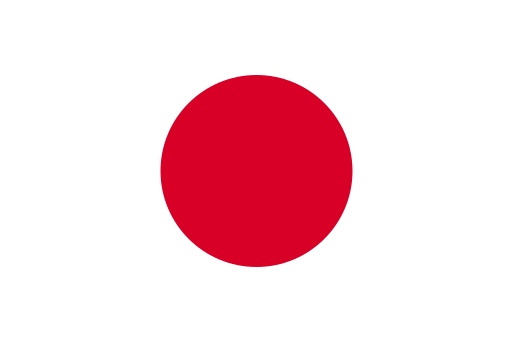
Foto van Morio, CC BY-SA 3.0, via Wikimedia Commons
Overzicht
Japan (Japans: 日本, Nippon, Nihon, met de letterlijke betekenis: oorsprong van de zon; de naam voor het oude Japan is 大和, Yamato) is een land en een eilandstaat ten oosten van het Aziatische continent. Het land wordt gevormd door 14.125 eilanden in de Grote Oceaan. De grootste eilanden zijn Hokkaido, Honshu, Shikoku en Kyushu, die samen 97% van de totale oppervlakte van Japan innemen. De hoofdstad en grootste stad van Japan is Tokio. De omringende agglomeratie Groot-Tokio is met bijna 40 miljoen inwoners de op een na grootste metropool ter wereld. Het gehele land telt 125.507.472 (2020) inwoners. Japan werd al in het laatpaleolithicum bewoond, maar de hedendaagse bevolking stamt grotendeels af van de Yayoicultuur die vanaf de 3e eeuw v.Chr. door migranten van het vasteland werd gesticht.
Tekst van Wikipedia, onder licentie CC BY-SA.
Waar naartoe in Japan


Verborgen parels
Minder bekende plekken die reizigers op Wikivoyage aanraden buiten de grote steden van Japan: dorpen, nationale parken en rustige hoekjes. De korte beschrijvingen komen uit die lijsten (CC BY-SA).

Naoshima
45 plekken vermeld
"Art Island" with many museums and installations off the coast of Shikoku

Tsuyama
45 plekken vermeld
A relaxed town famous for the thousands of cherry blossoms around its castle ruins in Kakuzan Park.

Izu Peninsula
41 plekken vermeld
Area with hotsprings and beaches near Tokyo

Niseko
41 plekken vermeld
Trendy ski destination

Hakuba
34 plekken vermeld
A popular winter area with 7 major ski resorts

Takahashi
34 plekken vermeld
A quaint town most famous for Bitchu Matsuyama Castle.

Izu Islands
32 plekken vermeld
A quick getaway from Tokyo, featuring volcanic hot springs and wild dolphins

Miyajima
31 plekken vermeld
Just off Hiroshima, site of the iconic floating torii gate

Nishiawakura
28 plekken vermeld
Nishiawakura is a village located in Aida District, Okayama Prefecture, Japan.As of 1 February 2023, the village had an estimated population of 1,361 in 593 households and a population density of 29 persons per km². The total area of the village is 57.97 square kilometres (22.38 sq mi).

Biei
24 plekken vermeld
The land of beautiful patchwork hills

Gero
23 plekken vermeld
One of Japan's Three Famous Hot Springs

Iwakuni
22 plekken vermeld
A town with the picturesque Kintai-kyo Bridge.

Manazuru
22 plekken vermeld
Peninsula - coastal resort on the east coast of the Izu Peninsula southwest of Tokyo.

Awashima
21 plekken vermeld
Island with long history and great beaches.

Fuji Five Lakes
21 plekken vermeld
Fuji Five Lakes is the name of the area located at the base of Mount Fuji in the Yamanashi Prefecture of Japan. It has a population of about 100,000 and sits about 1,000 meters (3,300 ft) above sea level. The five lakes created in the area by previous eruptions of Mount Fuji has given the area its name. The principal city in the region, Fujiyoshida, has a population of roughly 54,000 and is particularly famous for its udon noodles. Another point of interest is Aokigahara Jukai Forest. The Fuji Five Lakes was selected by the Tokyo Nichi Nichi Shimbun and Osaka Mainichi Shimbun as one of the Twenty-Five Winning Sites of Japan in 1927.

Tokyo Disney Resort
21 plekken vermeld
The first "Magic Kingdom" park built outside the U.S., and Tokyo DisneySea, an ocean-themed park exclusive to Japan.

Mount Koya
20 plekken vermeld
Mountaintop headquarters of the Buddhist Shingon sect

Enoshima
17 plekken vermeld
Japan's surfing paradise in style and attitude (a shame there isn't much in the way of waves)

Sado Island
17 plekken vermeld
Island off Niigata, former home to exiles and prisoners, now a brilliant summer getaway

Kotohira
15 plekken vermeld
Home to Konpirasan, Shikoku's most famous shrine

Shodoshima
15 plekken vermeld
Largest island in Shikoku, known for its art, soy sauce, and its striking gorge.

Bizen
14 plekken vermeld
Home to Japan's oldest and most respected style of pottery.

Mount Bandai
14 plekken vermeld
Mount Bandai is a stratovolcano located in Inawashiro-town, Bandai-town, and Kitashiobara village, in Yama-Gun, Fukushima prefecture. It is an active stratovolcano located to the north of Lake Inawashiro. Mount Bandai, including the Bandai heights, belongs to the Bandai-Asahi National Park.

Shirakawa-go
14 plekken vermeld
One of the most well-preserved and picturesque historic villages in the nation

Shiretoko National Park
14 plekken vermeld
Unspoiled wilderness in northeastern Hokkaido

Akan National Park
13 plekken vermeld
Known for its mysterious lakes, including Lake Akan

Appi Kogen
13 plekken vermeld
One of the best ski grounds in Tohoku, with runs for all levels.

Rausu
13 plekken vermeld
Rausu is a town located in Nemuro Subprefecture, Hokkaido, Japan. As of August 30, 2026, it has an estimated population of 4,063, and an area of 397.88 km2.

Kamishihoro
12 plekken vermeld
Kamishihoro is a town located in Tokachi Subprefecture, Hokkaidō, Japan. As of 31 December 2025, the town had an estimated population of 4,677 in 2578 households, and a population density of 5 people per km2. The total area of the town is 694.23 km2 (268.04 sq mi).

Mount Aso
12 plekken vermeld
An active volcano

Noboribetsu
12 plekken vermeld
Hokkaido's largest hot spring resort

Shinonsen
12 plekken vermeld
Shin'onsen is a town located in Mikata District, Hyōgo Prefecture, Japan. As of 1 April 2022, the town had an estimated population of 12,814 in 4873 households and a population density of 53 persons per km2. The total area of the town is 241.01 square kilometres (93.05 sq mi).

Arita
11 plekken vermeld
Arita is a town located in Nishimatsuura District, Saga Prefecture, Japan. As of 31 May 2024, the town had an estimated population of 18,634 in 7867 households, and a population density of 280 people per km2. The total area of the town is 51.92 km2 (20.05 sq mi). It is known for producing Arita porcelain, one of the traditional handicrafts of Japan. It also holds the largest ceramic fair in Western Japan, the Arita Ceramic Fair. This event is held from April 29 to May 5 every year and has thousands of stores and stalls lining the six-kilometre long main street.

Asuka
11 plekken vermeld
The homeground of Japan's earliest historical capital city, Asukakyo (飛鳥京)

Kushima
11 plekken vermeld
A rural town known for its wild horses, the Misaki horse, and great surfing

Matsushima
11 plekken vermeld
One of Japan's Three Great Views

Odawara
11 plekken vermeld
Houses the only Japanese castle in greater Tokyo area

Suo-Oshima
11 plekken vermeld
Suō-Ōshima is a town and an island located in Ōshima District, Yamaguchi Prefecture, Japan.

Yuzawa
11 plekken vermeld
Popular ski and hot spring resort, the setting of Snow Country by Yasunari Kawabata, a Nobel laureate.

Awaji Island
10 plekken vermeld
Gateway to Shikoku

Karuizawa
10 plekken vermeld
A popular resort and villa area

Oda
10 plekken vermeld
Silver mines, registered as a.

Boso Peninsula
9 plekken vermeld
The tip at the south of Chiba, a great area to relax and enjoy the beach.

Daisetsuzan National Park
9 plekken vermeld
Japan's largest national park, in the middle of Hokkaido, and the Holy Grail of extreme hikers and people who love eating seafood

Engaru
9 plekken vermeld
Engaru is a town in the Okhotsk subprefecture of Hokkaido, Japan. The name comes from the Ainu place name Inkar-us-i, meaning a lookout point.

Kinosaki
9 plekken vermeld
Another famous historic spring town near the Sea of Japan

Shikotsu-Toya National Park
9 plekken vermeld
Volcanic hot springs, two beautiful caldera lakes with rumbling volcanoes, and mossy canyons make scenic Lake Toya one of Japan's most popular tourist destinations

Tokoname
9 plekken vermeld
Famous for its pottery of Tokoname-Yaki

Towada-Hachimantai National Park
9 plekken vermeld
Scenic Lake Towada, gorgeous Oirase River Valley and the hot springs of Hachimantai Plateau

Chichibu-Tama-Kai National Park
8 plekken vermeld
Mountain hiking within easy striking distance of Tokyo

Okuwa
8 plekken vermeld
Known for its blue-water rivers and former post towns

Oze National Park
8 plekken vermeld
The largest highland marshland on Japan's main island of Honshu.

Tenkawa
8 plekken vermeld
Tenkawa is a village located in Yoshino District, Nara Prefecture, Japan. As of 1 January 2025, the village had an estimated population of 1,031 and a population density of 5.9 persons per km2. The total area of the village is 175.66 km2 (67.82 sq mi).

Nagi
7 plekken vermeld
A small northern town with a world-class modern art museum.

Tsushima
7 plekken vermeld
An island that used to be its own province known for its unique endangered cat species

Eiheiji
6 plekken vermeld
Home to the head temple of the Soto Zen school of Buddhism, established in 1244

Inawashiro
6 plekken vermeld
Japan's fourth largest lake: beach resorts, swimming, camping, boating

Shinjo
6 plekken vermeld
Shinjō is a village located in Maniwa District, Okayama Prefecture, Japan. As of 30 November 2022, the village had an estimated population of 847 in 378 households and a population density of 13 persons per km2. The total area of the village is 67.11 square kilometres (25.91 sq mi). It is a member of The Most Beautiful Villages in Japan Association.

Takachiho
6 plekken vermeld
A scenic gorge with deep ties to Shintoism

Tsuruta
6 plekken vermeld
Town with the longest wooden bridge in Japan

Daisen
5 plekken vermeld
Climbers flock to the beautiful Mount Daisen.

Iki
5 plekken vermeld
Is another island between Tsushima and the Nagasaki prefecture.

Kumenan
5 plekken vermeld
Small town in central Okayama with the peaceful atmosphere typical of the Japanese countryside.

Mount Hiei
5 plekken vermeld
Headquarters of Tendai and protector of Kyoto

Nakasatsunai
5 plekken vermeld
Nakasatsunai is a village located in Tokachi Subprefecture, Hokkaidō, Japan. As of 30 November 2025, the village had an estimated population of 3,828 in 1937 households, and a population density of 13 people per km2. The total area of the town is 536.71 km2 (207.22 sq mi).

Noda
5 plekken vermeld
Home to Japan's largest field-athletics course Shimizu Koen.

Ogasawara Islands
5 plekken vermeld
If you really want to get away from it all (and have time to spare)

Ozora
5 plekken vermeld
Ōzora is a town located in Okhotsk Subprefecture, Hokkaido, Japan.

Shinhidaka
5 plekken vermeld
Thoroughbreds and beautiful cherry blossoms

Tanegashima
5 plekken vermeld
Island home of Japan's space program

Yamanouchi
5 plekken vermeld
Ryokans, Japanese atmosphere, and snow-bathing monkeys.

Dewa Sanzan
4 plekken vermeld
A set of three temples representing birth, death, and rebirth, popular among pilgrims

Iga
4 plekken vermeld
And – hometowns of ninja

Nakashibetsu
4 plekken vermeld
Nakashibetsu is a town located in Nemuro Subprefecture, Hokkaido, Japan. As of March 31, 2008, it has an estimated population of 23,958, and an area of 684.98 km2.

Onuma Quasi-National Park
4 plekken vermeld
Peaceful lake near Hakodate in southern Hokkaido

Rebun Island
4 plekken vermeld
Hiking trails for all levels of hiker, or take a nature

Rishiri Island
4 plekken vermeld
Lots of hikingbtrails for all levels, and amazing views from the peak of Rishiri

Shibetsu
4 plekken vermeld
Shibetsu is a town located in Nemuro Subprefecture, Hokkaido, Japan.

Shimanto City
4 plekken vermeld
Home to "The Last Pristine River in Japan" and the famous submersible bridges that cross it.

Takinoue
4 plekken vermeld
Takinoue is a town located in Okhotsk Subprefecture, Hokkaido, Japan. As of August 31, 2026, the town has an estimated population of 2,131 and a population density of 3.6 persons per km². The total area is 766.89 km².

Tone
4 plekken vermeld
Tone is a town in Ibaraki Prefecture, Japan. As of 1 October 2020, the town had an estimated population of 15,073 in 6163 households and a population density of 605 persons per km2. The percentage of the population aged over 65 was 46.6%. The total area of the town is 24.86 square kilometres (9.60 sq mi).

Yakage
4 plekken vermeld
Yakage is a town located in Oda District, Okayama Prefecture, Japan. As of 1 March 2023, the town had an estimated population of 13,418 in 5445 households and a population density of 150 persons per km2. The total area of the town is 90.62 square kilometres (34.99 sq mi).

Zao
4 plekken vermeld
Known for Togatta Onsen and the Okama Crater

Daisen
3 plekken vermeld
Known for the awe-inspiring National Fireworks Competition

Kudoyama
3 plekken vermeld
Kudoyama is a town located in Ito District, Wakayama Prefecture, Japan. As of 30 November 2021, the town had an estimated population of 3,996 in 1770 households and a population density of 91 persons per km2. The total area of the town is 44.15 square kilometres (17.05 sq mi).

Nasu
3 plekken vermeld
Nasu is a town located in Tochigi Prefecture, Japan. As of 1 August 2020, the town had an estimated population of 24,851 in 10,400 households, and a population density of 67 persons per km2. The total area of the town is 372.34 square kilometres (143.76 sq mi).

Teshima
3 plekken vermeld
Also famous for its contemporary art exhibits

Akitakata
2 plekken vermeld
Yoshida-Koriyama Castle is listed as one of Japan's Top 100 Castles

Gokayama
2 plekken vermeld
World Heritage Site famous for its gassho-zukuri houses

Joshin'etsukogen National Park
2 plekken vermeld
The second largest national park in Japan.

Kameyama
2 plekken vermeld
Kameyama is a city located in northern Mie Prefecture, Japan. As of 1 August 2021, the city had an estimated population of 49,457 in 21,745 households and a population density of 260 persons per km². The total area of the city is 190.91 km2.

Kamikochi
2 plekken vermeld
Beautiful mountainous resort that's closed in the winter

Kinkasan
2 plekken vermeld
Small island with a shrine and hiking trails

Mine
2 plekken vermeld
Has the largest plateau and cave in Japan.

Misato
2 plekken vermeld
A town near Yokote famous for Takeuchi Festival

Miyaki
2 plekken vermeld
Miyaki is a town in Miyaki District, Saga Prefecture, Japan. As of 30 April 2024, the town had an estimated population of 25,745 in 10599 households, and a population density of 500 people per km2. The total area of the town is 51.92 km2 (20.05 sq mi). It is the first town in Saga to have its name spelled in hiragana rather than kanji. It is named after the district it is located in.

Mount Ishizuchi
2 plekken vermeld
The tallest peak in Shikoku

Obuse
2 plekken vermeld
Museums, temples, chestnut confections, hot springs and lots of cultural events and festivals

Okinoshima
2 plekken vermeld
Island is a UNESCO site and Shinto sacred island. Extremely difficult to get permission to visit.

Okushiri Island
2 plekken vermeld
Remote island famous for its seafood and clear blue waters

Rusutsu
2 plekken vermeld
Hokkaido's largest ski resort

Shirakami-Sanchi
2 plekken vermeld
Protected natural forests and mountains straddling the border of Aomori and Akita prefectures, designated as a World Heritage Site.

Tara
2 plekken vermeld
Tara is a town and peninsula located in Fujitsu District, Saga Prefecture, Japan. As of 31 March 2024, the town had an estimated population of 7973 in 3215 households, and a population density of 750 persons per km². The total area of the town is 74.30 km2 (28.69 sq mi)

Amanohashidate
1 plek vermeld
One of Japan's Three Views

Arima Onsen
1 plek vermeld
One of Japan's Three Old Hot Springs just across the hill from Kobe

Betsukai
1 plek vermeld
Betsukai is a town located in Nemuro Subprefecture, Hokkaido, Japan. As of August 2026, the town has an estimated population of 13,631, and an area of 1,320.15 km2. The town is primarily agricultural, with numerous dairy farms.

Cape Ashizuri
1 plek vermeld
A scenic cape at the southernmost point of Shikoku

Horyuji
1 plek vermeld
Ancient temples named as UNESCO World Heritage Site located in Ikaruga (斑鳩) Town

Kirifuri Highlands
1 plek vermeld
Skiing: There is a small ski ground at Kirifuri Highlands Ski Ground (霧降高原スキー場 Kirifuri Kougen Sukiijou). It has four lifts and four main runs.

Kirishima-Yaku National Park
1 plek vermeld
A mountainous national park chock full of volcanic craters and hot springs

Kitaaiki
1 plek vermeld
A small depopulated mountain village near the Tochibaraiwakage ruins

Nozawa Onsen
1 plek vermeld
Quaint hot spring village turned powderhound hotspot

Oki Islands
1 plek vermeld
An island cluster designated as a geopark, known for its nature and scenic coastal views.

Shingo
1 plek vermeld
Small town featuring the final resting place of Christ as well as Aomori's pyramids

Ugo
1 plek vermeld
Located in south-central Akita

Yoshinogari
1 plek vermeld
Yoshinogari is a town located in Kanzaki District, Saga Prefecture, Japan. As of 30 April 2024, the town had an estimated population of 16,161 in 6,792 households, and a population density of 370 people per km2. The total area of the town is 43.99 km2 (16.98 sq mi).

Amakusa
Nog geen plekken vermeld
Three islands where many "Hidden Christians" practiced when Christianity was illegal, also known for dolphin watching

Amami Islands
Nog geen plekken vermeld
Subtropical archipelago halfway to Okinawa

Gotō Islands
Nog geen plekken vermeld
The Gotō Islands are Japanese islands in the Sea of Japan. They are part of Nagasaki Prefecture.

Hakusan National Park
Nog geen plekken vermeld
Hakusan National Park is a national park in the Chūbu region of Honshū, Japan. Established in 1962, it spans the borders of Fukui, Gifu, Ishikawa, and Toyama prefectures. Its main geographical feature is Mount Haku. In 1980 an area of 480 km² corresponding to the national park was designated a UNESCO Man and the Biosphere Reserve.

Iwami
Nog geen plekken vermeld
Iwami is a town located in Iwami District, Tottori Prefecture, Japan. As of 1 December 2022, the town had an estimated population of 10,998 in 4429 households and a population density of 90 persons per km2. The total area of the town is 122.32 square kilometres (47.23 sq mi). Iwami lies entirely within the San'in Kaigan Geopark. Iwami is San'in Kaigan's biggest international beach resort.

Kiyama
Nog geen plekken vermeld
Kiyama is a town located in Miyaki District, Saga Prefecture, Japan on the island of Kyūshū. As of 31 March 2024, the town had an estimated population of 17,559 in 7508 households, and a population density of 750 persons per km2. The total area of the town is 22.15 km2 (8.55 sq mi)

Kohoku
Nog geen plekken vermeld
Kōhoku is a town located in Kishima District, Saga Prefecture, Japan. It is known as a crossroads for railways and national highways, and as such has dubbed itself "the navel of Saga". As of 31 May 2024, the town had an estimated population of 9586 in 3715 households, and a population density of 750 persons per km2. The total area of the town is 24.88 km2 (9.61 sq mi)

Shibayama
Nog geen plekken vermeld
Town with a museum of Aeronautical Science.

Shunan
Nog geen plekken vermeld
Shūnan is a city in Yamaguchi Prefecture, Japan. As of 31 May 2023, the city had an estimated population of 137,019 in 6828 households and a population density of 210 persons per km2. The total area of the city is 656.29 square kilometres (253.39 sq mi).

Takamori
Nog geen plekken vermeld
Takamori is a town located in Aso District, Kumamoto Prefecture, Japan. As of 1 August 2024, the town had an estimated population of 5889 in 2965 households, and a population density of 34 persons per km2. The total area of the town is 175.06 km2 (67.59 sq mi).

Wake
Nog geen plekken vermeld
Wake is a town located in Wake District, Okayama Prefecture, Japan. As of 31 March 2022, the town had an estimated population of 13,833 in 6,353 households and a population density of 96 persons per km2. The total area of the town is 144.21 square kilometres (55.68 sq mi). The town is famous in the region for the 'Wamojiyaki' festival that takes place every year on August 15 during the Obon period, and the town is also home to the largest Wisteria park in Japan.

Yoshino
Nog geen plekken vermeld
The mountain area which comprises a part of another UNESCO World Heritage, and Japan's most famous cherry blossom viewing spots
Noto Peninsula
13 plekken vermeld
Hot springs and rugged scenery
Oku-Hida Onsen Villages
7 plekken vermeld
5 remote hamlets full of stunning scenery and some of Japan's best hot springs
Naruko
6 plekken vermeld
Famous for its hot springs and kokeshi dolls
Yabe
2 plekken vermeld
Now part of Yamato Town
Oyano
1 plek vermeld
One of Amakusa islands, the nearest to the mainland
Shimokita Peninsula
1 plek vermeld
Featuring the scenic Yagen Valley as well as Mount Osore, the mythical entrance to Hell
Fukue Island
Nog geen plekken vermeld
Fukue Island is the largest and southernmost of the Gotō Islands in Japan. It is part of the city of Gotō in Nagasaki Prefecture. Gotō-Fukue Airport is on this island. As of July 31, 2016, the population is 38,481.
Yaeyama Islands
Nog geen plekken vermeld
The farthest-flung bit of Okinawa, with spectacular diving, beaches and jungle cruising
Feestdagen
Landelijke vrije dagen in Japan in de komende twaalf maanden. Kantoren, banken en veel winkels sluiten, en vervoer en overnachtingen worden drukker. Regionale feestdagen en lokale feesten staan er niet bij, en feestdagen die de maan volgen kunnen een dag verschuiven.
- Labor Thanksgiving Day · 勤労感謝の日
- Nieuwjaar · 元日
- Coming of Age Day · 成人の日
- Foundation Day · 建国記念の日
- Emperor's Birthday · 天皇誕生日
- Spring Equinox Day · 春分の日
- Spring Equinox Day (substituut) · 春分の日 (振替休日)
- Showa Day · 昭和の日
- Dag van de Grondwet · 憲法記念日
- Greenery Day · みどりの日
- Children's Day · こどもの日
- Marine Day · 海の日
- Mountain Day · 山の日
- Respect-for-the-Aged Day · 敬老の日
- Autumnal Equinox Day · 秋分の日
- Sports Day · スポーツの日
- Culture Day · 文化の日
Data van het project date-holidays, grotendeels gebaseerd op Wikipedia (CC BY-SA 3.0). Namen staan in je eigen taal waar een vertaling bestaat. Controleer het ter plaatse voordat je je reis eromheen plant.
Reizen in Japan
Dit deel staat in het Engels, zoals het op Wikivoyage is geschreven.
Reizen door het land
Monorail in Tokyo, one of the country's many futuristic transport systems]]Japan has one of the world's best transport systems, and getting around is usually a breeze, with the train being overwhelmingly the most popular option. Trains are generally very punctual except during inclement weather or natural disasters. Travelling around Japan can be expensive, but there is a variety of passes that can be used to limit the damage.
Plan. For sorting through transport schedules and fares, Navitime and Hyperdia are useful companions, although some features are limited to subscribers. Google Maps and Apple Maps can give detailed train and bus directions including platform numbers, but given the plethora of choices on popular routes it can be hard to filter results. You'll often have better results using apps like Jorudan's Japan Transit Planner to navigate the train system, then use Google or Apple for walking from the stations. English timetables for long-distance trains are available on the websites of JR Hokkaido, JR East, JR Central and JR Kyushu. Timetables for the Tokaido, San'yo and Kyushu Shinkansen can also be viewed in English at Tabi-o-ji. Navitime and Tabi-o-ji offer options to exclude the Nozomi and Mizuho trains from search results, which will benefit holders of the Japan Rail Pass. On Navitime, select the Japan Rail Pass option under Tourist Pass; on Tabi-o-ji, select to exclude Nozomi and Mizuho trains.
Navigate. displaying the address Nakamura-ku, Meieki 4-chōme, 5-banchi.
Geld en kosten
The Japanese currency is the Japanese yen, abbreviated ¥ (or JPY in foreign exchange contexts). The symbol 円 (pronounced en) is used in the Japanese language. Cash is available in the following forms: Coins: ¥1 (silver), ¥5 (gold with a center hole), ¥10 (copper), ¥50 (silver with a center hole), ¥100 (silver), and ¥500. There are three ¥500 coins in circulation, distinguishable by their color. The new ones have a gold ring and a silver center. Bills: ¥1,000 (blue), ¥2,000 (green), ¥5,000 (purple), and ¥10,000 (brown). ¥2,000 bills are rare except in Okinawa. Two series of Japanese yen banknotes are in circulation, the 2004 series and the new 2024 series. All older notes remain legal tender, and remain more widely accepted in vending machines. Prices in Japan are almost always listed using Western numerals, with Japanese numerals only occasionally spotted in places like high-end restaurants. The main exception is that large sums are sometimes abbreviated with 万 (man, 10,000), so 5万円 is 50,000 yen.
ATMs. For easy cash withdrawal, ATMs (ē tī emu), also known as "cash corners" (キャッシュコーナー kyasshu kōnā), are ubiquitous in Japan and can be found at most convenience stores and train stations. Oddly, some close at night or on weekends, although this restriction is slowly going away. Also, at night the additionally charged fee might be higher. While not all banks accept foreign cards, most of the large banks including Japan Post, Mizuho, SMBC and Aeon do.
Taal
, Tokyo]] The native language of Japan is Japanese ( nihongo). Very different from English and not known to be related to any other language group, it's nevertheless worthwhile to try to pick up at least basic greetings and thank yous to put people at ease. The Japanese writing system is arguably the most complex in the world, since it incorporates three different scripts including Chinese characters, but the native katakana and hiragana syllabaries of 46 characters each are reasonably tractable and will come in handy for longer visits. Although English is a compulsory subject in Japanese schools, the focus is entirely on formal writing and grammar. Outside of major tourist attractions and large international hotels, it is rare to find people who are conversant in English.
Gewoonten en omgangsvormen
Most Japanese are very understanding of a foreigner not conforming instantly to their culture; indeed, many believe that their language and culture are among the most difficult to understand in the world, so they are generally quite happy to assist you if you appear to be struggling. However, Japanese will appreciate it if you follow at least the rules below, many of which boil down to social norms of strict cleanliness and avoiding intruding on others (meiwaku). The post-COVID tourism boom has led to a spike in anti-foreigner sentiment in heavily-touristed areas like Tokyo, Osaka and Kyoto, due to the misbehavior of many foreign tourists. Follow the law, be polite, be considerate and try your best to adhere to Japanese cultural norms.
Things to avoid. Japanese people tend to be tolerant of blunders in this regard by foreigners. There are a few serious etiquette breaches that will meet with universal disapproval (even when demonstrated by foreigners) and should be avoided if at all possible: Never walk on a tatami mat wearing shoes or even slippers, as it would damage the tatami. Never leave your chopsticks standing upright in a bowl of rice (this is how rice is offered to the dead). Never enter a bathtub without washing yourself thoroughly first. (See Public baths in Japan for details.)
Things to do. Learn a little of the language, and try to use it. They will be complimentary if you try, and there is no reason to be embarrassed.
Telefoon en internet
By phone. International dialing prefixes vary from company to company. Check with your operator for more details. For international calls to Japan, the country code is 81. Phone numbers in Japan have the format +81 3 1234-5678 where "81" is the country code for Japan, the next digits are the dialing zone where the local number is located (can contain from one to three digits) and the remaining digits (six to eight digits) are the "local" part. When calling within Japan, the long-distance prefix (trunk code) is 0, and this is usually written in the number, like 03-1234-5678; when calling Japan from abroad, leave off the "0". Phone numbers starting with 0120 or 0800 are "free-dial" numbers, and are free to call from any landline (payphones included), while phone numbers starting with 0570 are "navi-dial" numbers, which are variable-rate numbers used by businesses (one number works nationwide, but you are charged based on the distance between your phone and the closest call center operated by the company). To dial abroad from Japan, the international access code is 010 (or "+" on mobile phones). You may also need to dial a carrier code before the access code, either 001 (KDDI) or 0033 (NTT).
Veiligheid
Japan is one of the safest countries in the world, with crime rates significantly lower than that of most countries. Kōban (交番), usually translated as police boxes, can be found in nearly every neighborhood, identified by a flashing red light. The police are generally helpful (although they rarely speak English), so ask if you get lost or have any trouble. They usually have a detailed map of the area around showing the difficult-to-understand numbering system and the names of major buildings to help to find your way. You can report accidents and petty crimes at a kōban, but for serious crimes or other police services, go to a police station (警察署 keisatsusho). Report any thefts or lost items at the kōban. They have forms in English and Japanese, often referred to as the "Blue Form". For lost items, even cash, filling out this form is not wasted effort, as Japanese people will very often take lost items, even a wallet full of cash, to the kōban. If you happen to find such an item, take it to the kōban. If the item is not claimed within six months, it is yours. If it is claimed, you may be due a reward of 5-15%. To call the police in an emergency, dial 110 (110番 hyakutoban). To call for an ambulance or the fire services, dial 119 (119番 hyakujukyuban). Some Japanese public phones have a red emergency button on the lower panel; press this and then dial.
Uit de Wikivoyage-gids, geschreven door reizigers (CC BY-SA), ingekort. Kijk voor inreisregels, visa, gezondheid en de actuele veiligheid altijd in het officiële reisadvies van je overheid (zie de links hierboven).