

Noord-Korea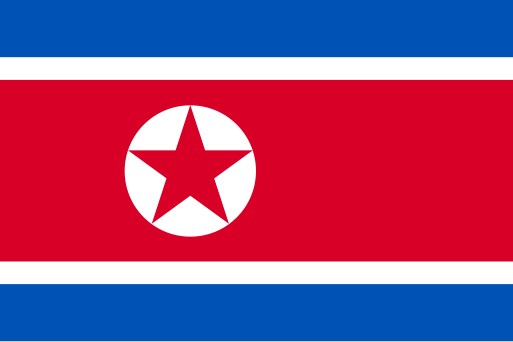
Foto van Christophe95, CC BY-SA 4.0, via Wikimedia Commons
Overzicht
Noord-Korea, officieel de Democratische Volksrepubliek Korea (Hangul: 조선민주주의인민공화국; Hanja: 朝鮮民主主義人民共和國; MR: Chosŏn Minjujŭi Inmin Konghwaguk), is een land op het Koreaans Schiereiland in Oost-Azië dat grenst aan de landen China, Rusland en Zuid-Korea en aan de Gele Zee en de Japanse Zee. Noord-Korea heeft een bevolking van 25,6 miljoen (2020) mensen. De hoofdstad is Pyongyang. Het Koreaans Schiereiland was bijna duizend jaar verenigd en onafhankelijk – achtereenvolgens onder de Goryeodynastie, de Joseondynastie en het keizerrijk Korea – toen het begin 20e eeuw door Japan werd bezet. Na de Japanse overgave in 1945 werd Korea in tweeën gedeeld. Pogingen het land te herenigen mislukten, waarop in 1948 de Democratische Volksrepubliek Korea het licht zag. De Koreaanse Oorlog (1950-1953) eindigde door tussenkomst van de Verenigde Naties in een wapenstilstand.
Tekst van Wikipedia, onder licentie CC BY-SA.
Waar naartoe in Noord-Korea


Verborgen parels
Minder bekende plekken die reizigers op Wikivoyage aanraden buiten de grote steden van Noord-Korea: dorpen, nationale parken en rustige hoekjes. De korte beschrijvingen komen uit die lijsten (CC BY-SA).


Reizen in Noord-Korea
Dit deel staat in het Engels, zoals het op Wikivoyage is geschreven.
Reizen door het land
All your transport needs will be dealt with by your tour company. Most of the time this means buses, although tour groups visiting remote sites (e.g. Paekdusan, Mount Chilbo) occasionally use chartered flights by Air Koryo. Wandering around on your own is not allowed, and you are required to have a guide to escort you at all times. A carefully stage-managed one-station ride on the Pyongyang metro is included on the itinerary of most trips to Pyongyang, but use of any other form of local public transport is generally impossible. Some tours also include a train ride from Pyongyang to the border city of Sinuiju, in which you can stop over in Sinuiju for a 1-day tour, though this option is not available to U.S. citizens. If travelling in a small enough group it is also possible to organise a walk through some areas of Pyongyang with some travel agents (Koryo).
Geld en kosten
Money. The currency is the North Korean won, denoted by the symbol ₩ (ISO code: KPW) and not typically available to foreigners, except some old North Korean won sold as souvenirs. The only places where tourists are allowed to obtain and spend North Korean won are at the Kwangbok Supermarket, which is included in some tours of Pyongyang, and in the Rason Special Economic Zone. Black market exchange rates (especially in far northern Korea, near the Chinese border) may easily be 20 times the official rate, but importing or exporting won is strictly forbidden. North Korean won is practically worthless outside the country but can make unique souvenirs. Foreign visitors are expected to use US dollars and Chinese renminbi or as alternatives euros and Japanese yen. Currency handling is often bizarre, with a frequent lack of change and a number of rule-of-thumb conversions leading to highly unorthodox transactions, so be sure to bring lots of small change. On a typical tour most expenses such as hotel, transportation, and meals will have been paid in advance, and therefore your only expenses may be bottled water, souvenirs, snacks, drinks at the bars, laundry at the hotel and tips for your guides. In any case, the only shops you will be likely allowed to visit are the state-run souvenir shops at your hotel and at the various tourist attractions.
Souvenirs. There are numerous hard-currency-only souvenir shops at tourist sites.
Costs. Most costs are included as part of your tour.
Taal
The official language is Korean. North Koreans are quite picky about referring to Korean as chosŏn-mal (조선말), not hangugeo (both mean "Korean language", but the names of Korea refer to different historic periods). The language is rather drastically different from any Western language in its grammar, and while the language isn't tonal, its pronunciation is rather difficult for the English speaker to get right. It has various dialects; standard North Korean (문화어 munhwaŏ) is ostensibly based on the Pyong'an dialect spoken in Pyongyang, but in reality is still deeply rooted in the Seoul dialect which was the standard before Korea was split. The Korean writing system is deceptively simple.
Gewoonten en omgangsvormen
North and South Koreans share a common culture; you may find the various respect tips in the South Korea article to be of help.
Tour conduct. Your tour guide in North Korea is your best friend. They will do their best to explain the rules and what is expected from you. If a guide tells you not to do something, listen to them. If you're not sure about something, ask. That said, you should refrain from discussing sensitive subjects such as politics, economic systems, and human rights. Any time you engage in unbecoming conduct, your guide will be blamed for being unable to control you, and they will be penalised for your misbehaviour. Always think before you act, and think before you speak; future tourists could face restrictions on what they can do in the country because of your behaviour. In short, you have other people than yourself to consider when it comes to your behaviour. Consider giving small gifts like cigarettes, skin creams, and so on to your guides. This will garner respect from the guides and depending on how well you conduct yourself, they may even take you to places and events in North Korea they wouldn't usually go to. Although there are many terrific photo opportunities in North Korea, the DPRK has stringent photography laws. This largely depends on what guide you've been assigned. Do not take photographs of anything of strategic importance (i.e.
Telefoon en internet
By phone. For international calls to North Korea, the country code is +850. Some phone numbers (mostly faxes) can be called directly from abroad; most other calls will need to go through the international operator service on +850-2-18111. International calling is generally possible via landlines in hotels, though it is expensive (€2 per minute as of Feb 2012) and all calls are likely recorded and monitored. Local calls need elusive 10 chon coins when calling from call boxes, but can also be made from hotels and post offices. Additionally, your phone calls may be heavily monitored, so you should be careful of what you talk about in phone calls that you make in North Korea.
Mobile phones. as of jyou are allowed to carry a mobile phone from outside the country into North Korea. You will not be able to use your current SIM card in North Korea, however. The only network you are allowed to connect to is the local network, Koryolink, via one of their SIM cards. Your phone must be a 3G WCDMA phone which can connect to the 2100MHz 3G frequency band. A 3G mobile phone network (Koryolink) covers the 42 largest cities. It is widely used by locals who can afford it and by long-staying foreigners who file an application.
Veiligheid
In general North Korea is quite safe for tourists due to strict government control and constant supervision. However, visitors must adhere to all regulations, avoid discussing sensitive topics and stay within approved areas. Travel is highly organised, and deviations from guided tours are not permitted, ensuring safety but limiting freedom. At first, you may feel scared and intimidated by being in a severely authoritarian country like North Korea. You may even feel uneasy or outright anxious. As a tourist, you're not expected to know every single law and rule in North Korea. So long as you listen to your tour guides and behave respectfully, you should not run into any problems. North Korea is an authoritarian dictatorship and is generally considered to have the worst human rights record in the world. The authorities are very touchy, and you need to watch what you say and how you say it. Just do what the guides do, praise every stop on your tour, and remember the rule, "If you have nothing good to say, don't say anything at all." The official policy is that you are not to wander around on your own. You are expected to get permission and have a guide accompany you if you want to leave your hotel. This will vary depending on what hotel you are in. The Yanggakdo Hotel is on an island in the middle of Pyongyang's Taedong River. Therefore you can walk around the area a little more freely than at the Koryo Hotel in the city centre.
Uit de Wikivoyage-gids, geschreven door reizigers (CC BY-SA), ingekort. Kijk voor inreisregels, visa, gezondheid en de actuele veiligheid altijd in het officiële reisadvies van je overheid (zie de links hierboven).