

Eritrea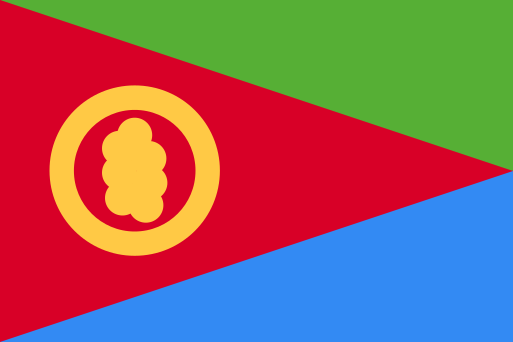
Foto av sailko, CC BY-SA 3.0, via Wikimedia Commons
Oversikt
Eritrea, offisielt Staten Eritrea, er en stat på Afrikas Horn, nordøst i Afrika. Landet grenser til Sudan i nordvest, Etiopia i sør, Djibouti i sørøst og har en kystlinje mot Rødehavet som strekker seg over 1 347 km i øst, rett overfor Saudi-Arabia og Jemen. Dahlakøyene, som består av over 350 øyer, og flere av Hanishøyene er en del av Eritrea. Landets største by er hovedstaden Asmara. Eritrea er medlem av FN, AU, IGAD og har observatørstatus i Den arabiske liga. Med et areal på 117 600 km², er Eritrea en av Afrikas minste og yngste stater. Landet fikk sin selvstendighet fra Etiopia i 1993 etter en 30 år lang, blodig krig. På grunn av Eritreas strategiske plassering har landet ligget under flere fremmede makter. Landet utgjorde sammen med nord-Etiopia Kongeriket Aksum, fra tidlig på 100-tallet til dette riket kollapset på 900-tallet.
Tekst fra Wikipedia, lisens CC BY-SA.
Hvor du bør dra i Eritrea


Skjulte perler
Mindre kjente steder som reisende på Wikivoyage anbefaler utenfor de store byene i Eritrea: landsbyer, nasjonalparker og rolige hjørner. De korte beskrivelsene kommer fra disse listene (CC BY-SA).

Semenawi Bahri National Park
Ingen steder oppført ennå
Semenawi Bahri National Park is a national park in Eritrea.
Dahlak Marine National Park
2 steder oppført
The Red Sea's largest archipelago of which just four islands are inhabited; ruins from the early Arabic/Islamic settlers of the 8th century have been found and Ethiopian weapons and vehicles dumped into the sea during the war have created large artificial reefs great for diving.
Helligdager
Nasjonale fridager i Eritrea de neste tolv månedene. Kontorer, banker og mange butikker stenger, og transport og overnatting blir travlere. Regionale helligdager og lokale festivaler er ikke med, og helligdager som følger månen kan flytte seg en dag.
- Første juledag · ልደት
- Første nyttårsdag · ሓዲሽ ዓመት
- Orthodox Christmas
- Epiphany · ጥምቀት
- Fenkil Day · ፈንቅል
- Kvinnedagen · መዓልቲ ኣነስቲ
- End of Ramadan (Eid al-Fitr)
- Orthodox Good Friday · ዓርቢ ስቅለት
- Arbeidernes dag · የላብ አደሮች ቀን
- Orthodox Easter · ፋሲካ
- Feast of the Sacrifice (Eid al-Adha)
- Independence Day · መዓልቲ ናጽነት
- Martyrs' Day · መዓልቲ ስውኣት
- Birthday of Muhammad (Mawlid)
- Revolution Day · ባሕቲ መስከረም
- Geez New Year · ግዕዝ አዲስ ዓመት
- Meskel
Datoer fra prosjektet date-holidays, i stor grad basert på Wikipedia (CC BY-SA 3.0). Navnene vises på ditt språk der det finnes en oversettelse. Sjekk lokalt før du planlegger rundt en helligdag.
Å reise i Eritrea
Denne delen er på engelsk, slik den er skrevet på Wikivoyage.
Å komme seg rundt i landet
While it may be tempting to explore all that Eritrea has to offer, you must obtain a travel permit from the Eritrean government if you wish to travel outside Asmara, the capital city. It can take 24 hours or more to obtain a travel permit, so plan your trip well ahead in advance. Foreign governments recommend getting a travel permit from the Ministry of Tourism office on Harnet Avenue in Asmara. If you are flying in to Asmara, you will need a permit from the Tourist Bureau on Liberation Avenue if you consider travelling outside Asmara's city limits. This permit needs to be applied for several days before travel. There are few places other than Asmara, Keren and Massawa/Dahlak Islands that foreigners can travel to as of September 2017 (other than those on a designated mission working with the Eritrean government) depending on the time of the year (therefore the conditions of the roads) and mostly, the decisions of the government. If you are coming by land (or ferry/private boat to Massawa), you can get a travel permit at the locality of your arrival, to transit the country, given you have a valid entry visa to Eritrea. As long as you notify and consult with the Eritrean mission issuing your entry visa about your point of entry and travel plans well ahead of time, getting the travel permit is no problem.
By bus. The most common form of intercity transportation in Eritrea is bus and/or minibus.
By plane. Since the collapse of Nasair in 2014, there have been no scheduled domestic flights in Eritrea.
Penger og kostnader
Money. The currency is the Eritrean nakfa, denoted by the symbol "Nkf" or "ናቕፋ" (ISO currency code: ERN). It is pegged to the US dollar. The official exchange rates are shown above. The black market rate was reported in 2025 to be Nkf 50-58 to US$1. Coins are issued in denominations of 1 cent, 5 cents, 10 cents, 25 cents, 50 cents and 100 cents. Banknotes are issued in denominations of 1, 5, 10, 20, 50 and 100 nakfas. Do not accept banknotes issued before 1 January 2016 as they are no longer valid. In November 2025, it was reported that the central bank intends to recall all banknotes and exchange them on a 1-to-1 basis for new banknotes. Make sure to find out the status of this plan before acquiring a lot of nakfa.
Shopping. The best Eritrean souvenirs are traditional handicrafts made from leather, olivewood, clay and straw. These can be found in most souvenir shops in Asmara along with traditional home-spun cotton garments. Posters and postcards are also readily available at most press-kiosks even at the airport. Leopard and zebra skin as well as ivory items can be found in the souvenir markets, but you will be stopped from leaving Eritrea with these. Then, you will probably be stopped and fined at your home destination, because international trade in such materials is banned. Eritrea however has several souvenirs made from goatskin. Gold, pearl, and silver jewellery is also available in the markets in Asmara along with frankincense and myrrh.
Språk
The main languages of the country are Tigrinya, Arabic, and English. Tigrinya is the lingua franca of Eritrea, and shares a lot in common with Amharic, the official language and lingua franca of neighbouring Ethiopia. If you know some Amharic, picking up Tigrinya should be easy. Although you can get far with English, learning a few phrases in Tigrinya would go a long way and would most certainly endear you to the locals. The use of Italian has diminished drastically since the end of Italian colonialism. Very few people (mostly the elderly, remaining members of the Italian community, and urban businesspeople) now speak the language.
Skikker og høflighet
Eritreans are polite, hospitable and soft-spoken but, due to the language barrier, may keep their distance from foreigners. If approached by an English speaker, try to maintain an innocent topic of conversation and use universal common sense. Avoid displaying disdain, arrogance or harsh criticism towards the country, culture, religion or politics of the country, although most will be tolerant of your "mistakes" as you are a passing foreigner. You are in a police state, don't forget it! It is rude to take pictures of people or their property without asking for permission. When taking pictures of public buildings beware of government buildings, especially police and military buildings. Taking pictures of these is not always illegal, but, done without permission or supervision, it can be viewed as highly suspect and can result in an uncomfortable arrest and interrogation. Ask the closest official (receptionist or police) for permission. Public displays of affection are considered immodest. Like in many East African and Middle Eastern countries, use of the left hand to greet, eat or hand something to someone is considered very dirty. When handing something over, using both hands is accepted and even seen as respectful, but not using the left hand alone. Dress code is generally Western: women are not required to cover up or wear veils. That said, revealing clothing — low necklines, short skirts or shorts — will attract unwanted attention and be poorly received.
Telefon og internett
Eritrea's country code is 291. To circumvent heavy censorship, use the free, open-source TOR Project. This workaround may become steadily less effective as the repressive regime gets aid and advice from China.
Sikkerhet
Watch out for bicycle riders, vehicle drivers and pedestrians. People don’t look when crossing streets and bike riding accidents are common. Eritrea is generally safe though and you can walk about at night and anywhere in the cities and not worry about crime. There are sometimes children that aggressively beg and throw rocks but usually leave you alone if you are stern with them. Homosexuality is illegal and can get up to 3 years in prison or even death. Travelling near the borders of any country surrounding Eritrea is extremely dangerous, and should be avoided. The towns of Teseney, Barentu and Assab should also be avoided due to the dangerous situation there. Tensions remain high with neighbouring states, and violence can erupt at any time. Do not fall prey to those willing to offer you a better exchange rate for your hard currency or some other "shady economic deal". Chances are, you might land in severe trouble with the zero-tolerance Eritrean legal system.
Consular assistance. Consular support is severely limited in Eritrea, due in large part to the fact that the Eritrean government routinely restricts foreign diplomats from talking to foreign nationals in detention. If you have been detained for whatever reason, know that your embassy will have little influence in assisting you. They may not even be notified that you have been detained.
Fra Wikivoyage-guiden, skrevet av reisende (CC BY-SA), forkortet. For innreiseregler, visum, helse og dagens sikkerhetssituasjon: sjekk alltid myndighetenes offisielle reiseråd (lenket ovenfor).