

Grenada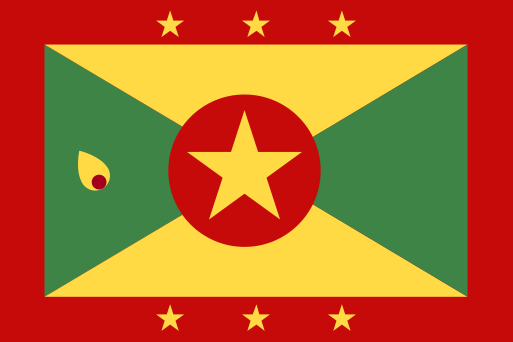
Foto av cwi.aida, CC BY-SA 3.0, via Wikimedia Commons
Oversikt
Grenada er en øystat i det østlige Karibia. Den består av hovedøya Granada og en rekke mindre øyer i Grenadinene. Landet har til sammen et areal på 344 km². Hovedstaden er St. George's. Grenada befinner seg nordvest for Trinidad og Tobago, nordøst for Venezuela og sørvest for Saint Vincent og Grenadinene. Grenada ble uavhengig fra Storbritannia i 1974. I 1983 ble landet invadert av USA. I september 2004 ble Grenada rammet av den kraftige orkanen Ivan, som drepte 39 personer og gjorde flere tusen hjemløse. I løpet av juli 2005 kom orkanen Emily og gjorde enda mer skade. Grenada har av og til blitt kalt «Krydderøya» på grunn av den store mengden krydder som blir dyrket her. Dette kommer også fram i flagget hvor symbolet på venstre side skal forestille en muskatplante. Muskat er et av de viktigste jordbruksproduktene på øya. Grenada var den syvende største produsenten av muskat i 2019.
Tekst fra Wikipedia, lisens CC BY-SA.
Hvor du bør dra i Grenada


Helligdager
Nasjonale fridager i Grenada de neste tolv månedene. Kontorer, banker og mange butikker stenger, og transport og overnatting blir travlere. Regionale helligdager og lokale festivaler er ikke med, og helligdager som følger månen kan flytte seg en dag.
- Første juledag · Christmas Day
- Andre juledag · Boxing Day
- Første nyttårsdag · New Year's Day
- Independence Day
- Langfredag · Good Friday
- Andre påskedag · Easter Monday
- Arbeidernes dag · Labour Day
- Andre pinsedag · Whit Monday
- Corpus Christi
- Emancipation Day
- Carnival Monday
- Carnival Tuesday
- Thanksgiving Day
Datoer fra prosjektet date-holidays, i stor grad basert på Wikipedia (CC BY-SA 3.0). Navnene vises på ditt språk der det finnes en oversettelse. Sjekk lokalt før du planlegger rundt en helligdag.
Å reise i Grenada
Denne delen er på engelsk, slik den er skrevet på Wikivoyage.
Å komme seg rundt i landet
Minibuses are the staple public transport, see Grenada (island). Eight routes fan out from St George's bus terminal next to the cruiser dock, very frequently along Route 1 to Grand Anse and Calliste. Route 9 crosses the top of the island between Grenville and Sauteurs. On Carriacou they radiate from Hillsborough and on tiny Petite Martinique you just walk. A water taxi plies between St George's cruiser dock and Grand Anse beach. Taxis carry an "H" on their licence plates. There are ranks at the bus terminal and airport, else just flag them on the street. Hiring a cab for the day is for most visitors a much better way to tour the island than self-drive, as the drivers know the poorly-signposted turn-offs, and the worst of the potholes, police traps and landslips. Car rentals are available from a few international companies - the advantage of these is that they can issue a temporary Grenada driving permit on the spot, so you can drive straight off. There are also some two dozen local operators, but you may need to factor in a two-hour visit to the local police station to have your permit issued. Cycling is not much fun on the busy narrow roads of the main island, with frequent gradients, humid tropical weather, and the stiff Atlantic breeze somehow always against you. It's less daunting on the quieter, smaller island of Carriacou.
Penger og kostnader
Money. The East Caribbean dollar, denoted as $ or EC$ (ISO currency code XCD), is the currency of Grenada and seven other Caribbean countries: Anguilla, Antigua and Barbuda, Dominica, Montserrat, Saint Kitts and Nevis, Saint Lucia, and Saint Vincent and the Grenadines. The EC dollar is subdivided into 100 cents. Banknotes circulate in denominations of 10, 20, 50, and 100 dollars, and coins of 1, 2, 5, 10 and 25 cents and 1 dollar. The EC dollar is pegged to the United States dollar at a fixed exchange rate of US$1 = EC$2.70. US dollar bills are universally accepted on Grenada but not coins; they might give change in EC cents or just round up the tab. It is difficult to exchange EC$ outside the Caribbean and there is no exchange at the airport. So unless you're arriving from another EC$ country (which Barbados and Trinidad & Tobago are not) then bring enough US$ to last until you can reach a bank, bearing in mind that small businesses such as taxi drivers seldom take cards. And don't be left with any EC$ when you leave. There are several banks in St George's and Grand Anse, with exchange desks open M-F 8AM-2PM.
Shopping. Foodstuffs and spices: check your home country's customs regulations before buying foodstuffs - many imports are prohibited. Spices are the main draw and are usually okay for import if fully-sealed. Nutmeg and vanilla are the chief offering, others are mace, cinnamon, ginger, cloves and turmeric. Chocolate is high standard, if you can keep it cool until your return.
Språk
Standard British English is the official language and universally understood. Between themselves, locals speak an English dialect which is rapid and hard to understand, mainly because outsiders aren't meant to — anyone in a public-facing role won't use it. Even in standard English however, the diction is often low and flat, almost a self-effacing mumble, which will take you a while to tune into. French persists only in place names and Creole has practically died out.
Telefon og internett
Almost everywhere on the three islands has 4G from Flow and Digicel, with only a few dead spots in the mountains. As of Jan 2023, 5G has not rolled out in Grenada.
Sikkerhet
Grenada is a safe country and enjoys the lowest crime rate in the Caribbean region. Please keep it that way by safeguarding valuables and not flashing bling. Beware of the sun. Grenada is only 12 degrees north of the equator and you can burn quickly even if it's cloudy and the breeze is keeping you cool. Seek the shade, use a parasol, wear a wide-brimmed hat and long clothing and slap on high-factor sun-block. Minimise outdoor activity from noon to 3 pm when there's maximum UV and heat. Allow for the high humidity: it can top 90%, and anything above 60% is unpleasant. Drink plenty of water (the tap water is safe), though on humid days your sweat cannot evaporate quickly to keep your body cool. Mosquitoes are more of a nuisance than a danger: it's rare for them to carry serious diseases such as malaria. You don't need anti-malarials, just standard anti-mozzy precautions - they get busy after sundown, so spray on a repellent before heading out for al fresco dining. Dengue Fever, Zika and Chikungunya Virus are likewise rare. Your accommodation will know of local primary care doctors available to make house calls. There's a hospital in St George's, a smaller one at Mirabeau to the east and another on Carriacou. All treatment must be paid for, and anything serious might mean an airlift to the US mainland, so you must have adequate health insurance.
Fra Wikivoyage-guiden, skrevet av reisende (CC BY-SA), forkortet. For innreiseregler, visum, helse og dagens sikkerhetssituasjon: sjekk alltid myndighetenes offisielle reiseråd (lenket ovenfor).