

Guatemala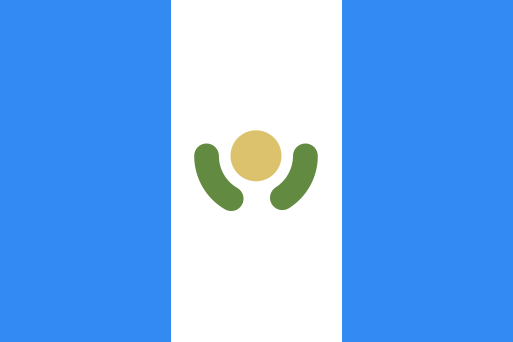
Foto av BladimiroAlvarado, CC BY-SA 4.0, via Wikimedia Commons
Oversikt
Guatemala, offisielt Republikken Guatemala, er et land i Mellom-Amerika som grenser til Mexico i nord og vest, til Belize i nordøst og til El Salvador og Honduras i sørøst. Landet grenser i tillegg til Stillehavet i vest og Det karibiske hav i øst. Landets areal er 108 890 km² med en befolkning på 17 165 936 (april, 2018). Landets hovedstad er «Guatemala de la Asunción», også kjent som Guatemala by, med ca. 3 mill innbyggere. Guatemala ble uavhengig fra Spania i 1821 og ble så en del av det mexicanske riket. Etter det mexicanske rikets kollaps i 1823, ble landet styrt av en rekke diktatorer som var støttet økonomisk av United Fruit Company. I det 20. århundre gjennomlevde Guatemala en 36 år lang borgerkrig. I etterkant av krigen har Guatemala opplevd økonomisk vekst og politisk stabilitet. Nasjonalfuglen er Quetzal og nasjonalblomsten er Lycaste skinneri.
Tekst fra Wikipedia, lisens CC BY-SA.
Hvor du bør dra i Guatemala


Skjulte perler
Mindre kjente steder som reisende på Wikivoyage anbefaler utenfor de store byene i Guatemala: landsbyer, nasjonalparker og rolige hjørner. De korte beskrivelsene kommer fra disse listene (CC BY-SA).

Lake Atitlán
28 steder oppført
A stunningly beautiful volcanic lake surrounded by picturesque Mayan villages, visitors may find themselves staying longer than anticipated

El Remate
8 steder oppført
An impressive Classic Maya site

Aguateca
5 steder oppført
Guatemala's best-preserved Mayan ruins, where archaeologists outnumber tourists.

Uaxactun
5 steder oppført
Maya ruins and historic modern village beyond Tikal to the north.

Monterrico
4 steder oppført
Located on the Pacific coast, Monterrico is known for its volcanic black sand beaches and annual influx of sea turtles

Semuc Champey
3 steder oppført
A swimmers paradise; this series of stepped, turquoise pools is perfectly situated atop a natural limestone bridge

Quirigua
2 steder oppført
Maya site from the classic period, known for its tall stone sculptures

Candelaria Caves National Park
1 sted oppført
Huge cave system with underground rivers and up to 80 km of underground passages

Ceibal
Ingen steder oppført ennå
Maya ruins

Dos Pilas
Ingen steder oppført ennå
Maya ruins

El Mirador
Ingen steder oppført ennå
Still being uncovered, the adventurous few who visit this massive early Maya site will discover a cradle of Mayan civilization

El Paredón
Ingen steder oppført ennå
A coastal village popular among surfers and backpackers

Las Victorias National Park
Ingen steder oppført ennå
Las Victorias National Park is located in Alta Verapaz, Guatemala, on the north-western outskirts of the city of Cobán. Formerly a finca acquired in the mid-19th century by the French coffee grower Jules Rossignon, Las Victorias was designated a national park in 1980. The park covers an area of 82 ha, and is managed by the National Forestry Institute (INAB).

Nakbé
Ingen steder oppført ennå
Maya ruins

Pacaya Volcano
Ingen steder oppført ennå
Active volcano that has erupted dozens of times in recent centuries; part of the Central American volcano arc

Piedras Negras
Ingen steder oppført ennå
Maya ruins
Central Highlands
10 steder oppført
These Mayan ruins in the Central Highlands are an easy day trip from Guatemala City or Antigua
Rio Dulce
9 steder oppført
Surrounded by National Parks, Rio Dulce checks a variety of boxes for the outdoor adventurer: jungles to trek, rivers to swim, and ruins to explore
Helligdager
Nasjonale fridager i Guatemala de neste tolv månedene. Kontorer, banker og mange butikker stenger, og transport og overnatting blir travlere. Regionale helligdager og lokale festivaler er ikke med, og helligdager som følger månen kan flytte seg en dag.
- Julaften · Nochebuena
- Første juledag · Navidad
- Nyttårsaften · Fin del Año
- Første nyttårsdag · Año Nuevo
- Skjærtorsdag · Jueves Santo
- Langfredag · Viernes Santo
- Påskeaften · Sabado Santo
- Arbeidernes dag · Día del Trabajador
- Army Day · Día de las Fuerzas Armadas
- Independence Day · Día de la Independencia
- Revolution Day · Día de la Revolución
- All Saints' Day · Todos los Santos
Datoer fra prosjektet date-holidays, i stor grad basert på Wikipedia (CC BY-SA 3.0). Navnene vises på ditt språk der det finnes en oversettelse. Sjekk lokalt før du planlegger rundt en helligdag.
Å reise i Guatemala
Denne delen er på engelsk, slik den er skrevet på Wikivoyage.
Å komme seg rundt i landet
By bus. If traveling by bus, there are two classes of buses. The pullman (first class) buses (pullman, expreso, especiales, primera clase), if available, are usually direct routes and are the best option for most. These buses vary in the quality of vehicles. They range from the older MC coaches (older Greyhound buses from the U.S.) to the newer single or double deck Marcopolo or Volvo coaches and anything similar in between. They are comfortable, have washrooms/toilets and will generally show movies, which may or may not be in English with Spanish subtitles (or vice versa) with reserved seating. Others may even offer a drink and a little snack. They may make limited scheduled stops (semi-directo) at specific places en route otherwise they make no stops en-route. They operate on limited schedules and usually from their own offices or terminals rather than from a central bus station in the cities they serve. The first class pullmans are more common on the route between Guatemala City and Flores and on to neighboring countries but also from Guatemala City to Coban, Huehuetenango, Chiquimula and Quetzaltenango (Xelaju) as well. The most common option are the second class buses (chicken bus, camionetas, autobuses de parrillas, polleros, mini-bus, microbus); the more ubiquitous are the decommissioned U.S. school buses painted in all sorts of funky colors and patterns.
Penger og kostnader
Money. The local currency is the quetzal (Q, ISO code: GTQ) which is named after the national bird, which has ancient and mythic connotations even today. U.S. dollars are widely accepted and can be exchanged in most small towns. ATMs can be found in the major towns but do not expect to find them in every tourist spot. It is fairly easy to find your self in a town without an ATM or a place to change money. Do not expect to be able to easily exchange travelers checks to Guatemala. You might find a few places willing to accept checks issued by American Express but all other types are universally turned down. Even major banks in Guatemala City do not accept Visa travelers checks. It is common to use U.S. dollars in tourist areas. You will most likely have difficulties in changing other currencies than U.S. dollars, but euros are becoming increasingly common. Coins of Guatemala are issued in denominations of 1, 5, 10, 25 and 50 centavos and 1 quetzal. Banknotes of Guatemala are issued in denominations of 1, 5, 10, 20, 50, 100 and 200 quetzales.
Shopping. It is common to bargain for most purchases in the open air market. Though you may be able to bargain in other places, be aware that chain-owned shops have fixed prices (you are no more likely to bargain in a Guatemalan Radio Shack than an American one).
Språk
Spanish is the official language of Guatemala and is spoken by almost everyone in the main tourist destinations. In villages more off the beaten track, most people may only speak a Maya language, perhaps with some broken Spanish. Doctors, teachers, lawyers, police and other professionals in such areas will speak Spanish. The local vernacular is Guatemalan Spanish, which has extensive loanwords from Mayan languages and has different grammatical rules. The most familiar form of Spanish spoken among good friends is the "tú" and "vos" form, but varies between regions. It is considered rude and very informal if used with someone that you do not know. As a tourist, it is safer to stick with the "usted" form.
Skikker og høflighet
Much of what is considered good manners in Latin and South America is applicable to Guatemala. The various tips found in the respect section of the Latin America article will come in handy when you visit the country. Address people you don't know in a formal manner (Señor, Señora, Usted), and greet people in the following way: day - "buenos dias", "feliz dia" night - "feliz noche", "buenas noches" You'll encounter this in more suburban, rural areas. Native Guatemalans are raised to greet strangers formally.
Photography. Do not take photographs of children and/or women without explicit permission, especially if you're visiting indigenous communities. Doing so would get many Guatemalans to (incorrectly) think that you are either a kidnapper or a rapist. People have been attacked for doing this. In Guatemala, many children have been kidnapped and exploited on the black market, and sexual assault continues to be a heartbreaking social problem in the country. In major cities, people are somewhat more open towards being photographed, but still, be cautious. If in doubt, always ask and respect the wishes of the person you wish to photograph.
Telefon og internett
Internet. Internet access is widely available. Even most of the more remote areas have some type of internet access available. Many larger areas also have WiFi. All of the Camperos chicken/pizza restaurants (which are numerous) offer free WiFi, as well as many other restaurants and cafes. Some hotels may also offer computer banks with internet access. Just ask and you eventually will find some sort of free access.
Mobile internet access. Use the local SIM cards (roughly Q25) and the prepaid access plans, which generally come in lots of data and include a number of minutes for domestic (and US) calls. There are only two mobile carriers in Guatemala: Tigo and Claro. Tigo offers as of March 2022: • 1 week including 3.3GB for Q30 • 15 days including 5GB for Q50 Tigo Website with more options. Claro has as of March 2022: • 1 week including 4GB for Q30 • 15 days including 6GB for Q50 • 30 days including 4GB for Q50 (without included domestic calls) Claro website for other rates. Here is a table for the settings and activation options for the providers. {| class="wikitable" |+ Guatemala prepaid internet mobile providers! Provider!! Configuration details!! Activation instructions |-!
Sikkerhet
Guatemala has a reputation for being a dangerous country — a reputation that's not entirely unwarranted, but the average traveller should not be too overly concerned or cautious of their surroundings. A lot of the crime is drug and gang related, which, to a significant extent, doesn't affect tourists that much. As long as you apply a modicum of common sense and blend in with the locals, your visit will be trouble-free. Understand that Guatemala is still recovering from a brutal thirty-year civil war and the war has badly impacted Guatemalan society in many ways; many Guatemalans have been pushed into poverty, economic conditions are far from ideal, and the rule of law is still weak. It'll take some time for things to get back to normal.
Crime. Guatemala is one of the most criminalised countries in the world; therefore the crime rate is high. Guatemala has one of the highest rates of violent crime in Latin America and reports of theft, carjackings, armed robberies, and sexual assault, are depressingly common. As a visitor, you may instantly attract the attention of Guatemalan criminals because they normally assume that all foreign visitors are "wealthy". To deter the attention of Guatemalan criminals, don't display signs of affluence, don't flash electronic gadgets (cameras, mobile phones, laptops, and the like), and refrain from using electronic gadgets in public. Cell phone theft is the most common crime in Guatemala. Also, it is dangerous to travel at nightime.
Fra Wikivoyage-guiden, skrevet av reisende (CC BY-SA), forkortet. For innreiseregler, visum, helse og dagens sikkerhetssituasjon: sjekk alltid myndighetenes offisielle reiseråd (lenket ovenfor).