

USA
Foto av Fred Hsu on en.wikipedia, CC BY-SA 4.0, via Wikimedia Commons
Oversikt
For andre betydninger av «USA» og «Usa», se: USA (andre betydninger). USA, offisielt Sambandsstatene, eller De forente stater, er en forbundsrepublikk i Nord-Amerika som består av 50 delstater, forbundsdistriktet District of Columbia (som også er hovedstad og er bedre kjent under navnet Washington, D.C.) og en rekke mindre territorier. De 48 delstatene som utgjør det kontinentale USA grenser til Canada i nord og Mexico i sør. USA har et areal på 9 526 517 kvadratkilometer. Det gjør USA til verdens tredje største land, etter Russland, og Canada. USA har rundt 335 millioner innbyggere pr. 2023, noe som også gjør landet til verdens tredje mest folkerike, kun forbigått av India og Kina. Føderasjonen bestod opprinnelig av tretten kolonier som løsrev seg fra Storbritannia i 1776.
Tekst fra Wikipedia, lisens CC BY-SA.
Hvor du bør dra i USA

Austin
USA
Boston
USA
Chicago
USA
Las Vegas
USA
Los Angeles
USA
New Orleans
USA
San Francisco
USA
Seattle
USA
Washington, D.C.
USA
Honolulu
USA
Providence
USA
Miami
USA
Nashville
USA
Newport
USA
Cambridge
USA
Yellowstone National Park
USA
Plymouth
USA
Nantucket
USA
Galveston
USANew York City
USA
Yosemite National Park
USA
Scranton
USA
Grand Canyon
USA
Niagara Falls
USA
Aspen
USA
Bryce Canyon National Park
USA
Mesa Verde National Park
USA
Sitka
USA
Everglades National Park
USA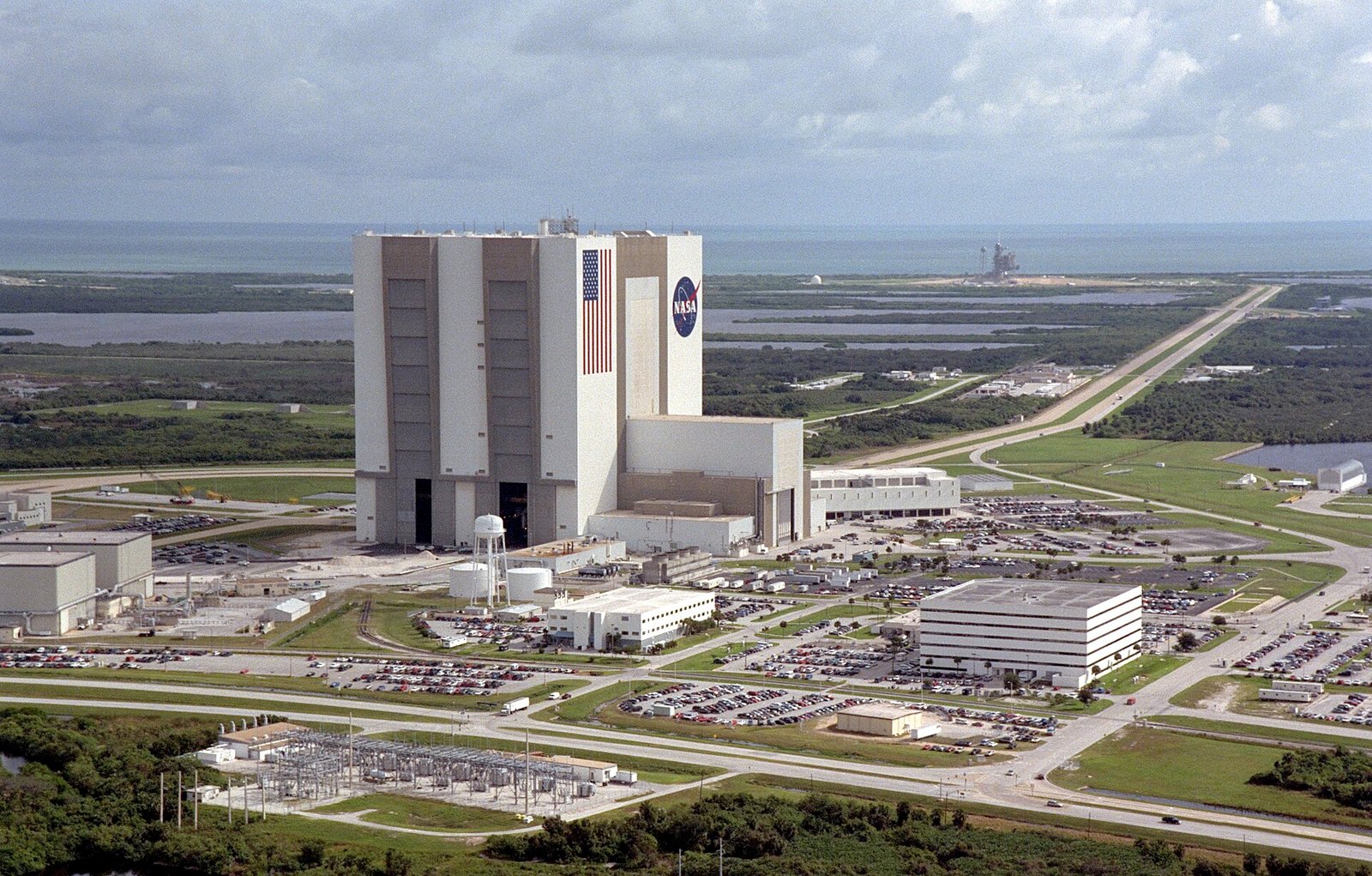
Kennedy Space Center
USA
Mount St. Helens
USA
Tuskegee
USA
Mount Whitney
USA
Skjulte perler
Mindre kjente steder som reisende på Wikivoyage anbefaler utenfor de store byene i USA: landsbyer, nasjonalparker og rolige hjørner. De korte beskrivelsene kommer fra disse listene (CC BY-SA).

Walt Disney World
78 steder oppført
The most popular vacation resort destination in the world

Morgantown
58 steder oppført
A popular nature preserve outside Morgantown with rock outcroppings and overlooks.

Steamboat Springs
58 steder oppført
Hot springs and western-style ski resort at the foot of the Park Range.

Mississippi Delta
54 steder oppført
The Mississippi Delta, also known as the Yazoo–Mississippi Delta, or simply the Delta, is the northwest section of the U.S. state of Mississippi that lies between the Mississippi and Yazoo rivers. The region has been called "The Most Southern Place on Earth" because of its racial, cultural, and economic history.

Concord
53 steder oppført
Walk the "Battle Road Trail" and follow in the footsteps of local silversmith Paul Revere. The trek culminates at Old North Bridge, where "the shot heard round the world" was fired in the opening salvo of what would become the Revolutionary War. British residents are welcome, nowadays. Next: Cool off at Walden Pond, south.

Crystal Coast
53 steder oppført
In North Carolina, the Crystal Coast is an 85-mile stretch of coastline that extends from the Cape Lookout National Seashore, which includes 56 miles of protected beaches, southwestward to the New River. The Crystal Coast is a popular area with tourists and second-home owners in the summer, with a name coined by the Carteret County Tourism Development Authority.

Universal Orlando
53 steder oppført
Closer to central Orlando, Universal is the other major amusement park in the region

Lehigh Valley
52 steder oppført
Large metropolitan area, roughly equidistant from Philadelphia and New York City

Block Island
51 steder oppført
Island off southern coast of RI. This island packs great scenery and great beaches into a small, walkable and bikable area.

Florida Keys
50 steder oppført
Chain of islands stretching into the Caribbean, offering tropical scenery and a laid-back lifestyle

Disneyland
47 steder oppført
This world-famous amusement park opened its doors in 1955 and today draws around 16 million yearly visitors. The California Adventure theme park was added in 2001 and provides attractions inspired by the state's scenery and movie industry.

Oregon Coast
47 steder oppført
And the Washington Coast are scenic, wild and interspersed with quaint towns and include 100 km of wilderness coastline, the longest undeveloped coast in the contiguous United States.

Vail
47 steder oppført
Second largest ski resort in North America.

Death Valley National Park
45 steder oppført
A place of legend and a place of trial.

Idaho Springs
44 steder oppført
Near Idaho Springs. The highest paved highway in North America ascends this Front Range mountain overlooking Denver.

South Padre Island
44 steder oppført
The southernmost of Texas' beach resort areas.

Grand Isle County
42 steder oppført
Picturesque islands in the middle of Lake Champlain

Monument Valley
41 steder oppført
A site within the Navajo Nation in Arizona, this site is famous for its use as an establishing shot for many Hollywood westerns.

Gettysburg
40 steder oppført
The site of the most important battle ever fought on American soil, very well maintained and exhibited

Wisconsin Dells
39 steder oppført
Family tourist destination with scenic Duck boat tours and amusement parks

San Juan Islands
37 steder oppført
In the rain shadow of the Olympic Mountains in Puget Sound, these islands are famous for abundant eagles and Orca whales and include the San Juan Islands National Monument.

Outer Banks
35 steder oppført
North Carolina

Sequoia and Kings Canyon National Parks
35 steder oppført
These twin parks hold monuments to nature's size, beauty, and diversity, including the largest tree on Earth, the General Sherman Tree.

Point Reyes National Seashore
34 steder oppført
One of the Bay Area's hidden treasures, a national seashore full of hiking trails, scenic hills, and diverse wildlife including marine mammals

State College
34 steder oppført
The third-largest "city" in the state, but only when the Nittany Lions football team is playing

Big Sur
33 steder oppført
Can be loosely defined as the stretch of coastline between Carmel and San Simeon, and the steep cliffs, rocky coast, churning waves, abundant wildlife, redwoods, and remoteness make it a stunningly beautiful drive.

Joseph
33 steder oppført
One of Oregon's finest lakes. Beautiful scenery, camping, boating, fishing, hiking, eating, and lodging in the quiet town of Joseph.

Napa Valley
33 steder oppført
The premier wine region of the United States, with spas, wine tasting and wine tours; the historic heart of California Wine Country.

Olympic National Park
33 steder oppført
Extremely diverse from the lush canopy of rainforests, to the sandy beaches and rugged, glacier-capped mountains. Olympic National Park is the only UNESCO World Heritage Site in the Pacific Northwest.

Badlands National Park
32 steder oppført
A multitude of cliffs and canyons

Joshua Tree National Park
32 steder oppført
Combines two different desert ecosystems anchored by the peculiar-looking namesake tree species.

Keweenaw Peninsula
32 steder oppført
Former copper mining region, known for history, bird migrations, rock collecting, winter sports.

North Cascades National Park
32 steder oppført
Jagged peaks, deep valleys, cascading waterfalls and over 300 glaciers form this park.

Jekyll Island
30 steder oppført
Jekyll Island is an island located in Glynn County, Georgia, United States. It is one of the Sea Islands and one of the Golden Isles of Georgia barrier islands. The island is owned by the State of Georgia and run by a self-sustaining, self-governing body.

Lake George
30 steder oppført
Boating, lakeside activities, and a big amusement park

Canyonlands National Park
29 steder oppført
A national park near Arches protecting the canyons formed by the Green River and the Colorado River.

Gloucester
29 steder oppført
This nutrient rich ocean area makes for one of the best whale watching opportunities in the world. A wide diversity of species come here to feed during the summer months.

Grand Teton National Park
29 steder oppført
Grand Teton National Park is a national park of the United States in northwestern Wyoming. At approximately 310,000 acres, the park includes the major peaks of the 40-mile-long (64 km) Teton Range as well as most of the northern sections of the valley known as Jackson Hole. Grand Teton National Park is 10 miles (16 km) south of Yellowstone National Park, to which it is connected by the John D. Rockefeller Jr. Memorial Parkway. Along with surrounding national forests, these three protected areas constitute the almost 22-million-acre (89,000-square-kilometer) Greater Yellowstone Ecosystem, one of the world's largest intact mid-latitude temperate ecosystems.

Waterville Valley
29 steder oppført
A resort town in the White Mountains.

Gardiner
28 steder oppført
The original and only all year entrance to Yellowstone.

Hilton Head Island
28 steder oppført
South Carolina

Isle Royale National Park
28 steder oppført
A beautiful, wild island at the northern tip of the Midwest.

Manitou Springs
28 steder oppført
Near Colorado Springs. Both a cog railway and a toll road ascend to the summit of "America's Mountain".

Zion National Park
28 steder oppført
Named for the Hebrew word for 'refuge', this park is easily one of the United States' most scenic spots and a hiker's heaven.

Glacier National Park
27 steder oppført
Glacier National Park is a national park of the United States located in northwestern Montana, on the Canada–United States border. The park encompasses more than 1 million acres (4,100 km2) and includes parts of two mountain ranges, more than 130 named lakes, more than 1,000 different species of plants, and hundreds of species of animals. This vast pristine ecosystem is the centerpiece of what has been referred to as the "Crown of the Continent Ecosystem", a region of protected land encompassing 16,000 mi2 (41,000 km2).

Mount Rainier National Park
27 steder oppført
Extremely photogenic volcanic mountain, rising from close to sea level to 14,410 feet (4392 m).

Seaside Heights
27 steder oppført
Stretch of undeveloped barrier island, the last in the state

Shenandoah National Park
27 steder oppført
Shenandoah National Park is a national park of the United States that encompasses part of the Blue Ridge Mountains in Virginia. The park is long and narrow, with the Shenandoah River and its broad valley to the west, and the rolling hills of the Virginia Piedmont to the east. Skyline Drive is the main park road, generally traversing along the ridgeline of the mountains. Almost 40% of the park's land—79,579 acres —has been designated as wilderness areas and is protected as part of the National Wilderness Preservation System. The highest peak is Hawksbill Mountain at 4,051 feet (1,235 m).

Warren County
27 steder oppført
Warren County, Ohio is the ultimate getaway for Ohio family fun. As the home of attractions such as Kings Island, Great Wolf Lodge, the Beach Waterpark and Ozone Zipline Adventures, Warren County is truly "Ohio's Largest Playground".

Cape Cod National Seashore
26 steder oppført
"Escape to the Cape" and explore nearly of protected beachfront real estate. Ponds, beaches, lighthouses, and scenic wooded trails all make for top attractions. Established in 1961, which is quite recent for the area. As such, you'll find quite the range of grandfathered in virtu sprinkled around.

Glenwood Springs
26 steder oppført
Historic town at the mouth of spectacular Glenwood Canyon has the world's largest hot spring pool and adventure park.

Sun Valley
26 steder oppført
The first great ski resort in the U.S.

Adirondacks
25 steder oppført
A mountain range in upstate New York and the biggest protected parkland in the country, with countless outdoor recreation opportunities

Denali National Park
25 steder oppført
Whether climbing or admiring, the crowning jewel of North America's highest peak is the awe inspiring 20,320-foot Denali (formerly Mt McKinley)

Gulf Shores
25 steder oppført
Gulf Shores is a resort city in Baldwin County, Alabama, United States. As of the 2020 census, the population was 15,014.

Elkins
24 steder oppført
The most photographed location in West Virginia, running through a gorge along the Blackwater River.

Johnstown
24 steder oppført
Johnstown is a city in Cambria County, Pennsylvania, United States. The population was 18,411 as of the 2020 census. Located 57 miles (92 km) east of Pittsburgh, it is the principal city of the Johnstown metropolitan area, which had 133,472 residents in 2020. It is also part of the Johnstown–Somerset combined statistical area, which includes both Cambria and Somerset counties. Once a bustling industrial center, like many cities in the Rust Belt, Johnstown was severely affected by the loss of jobs in the steel industry due to globalization and the movement of American manufacturing to overseas markets.

Cahokia Mounds State Historic Site
23 steder oppført
Is a surprising find in Illinois - the center of a prehistoric Native American city and one of only 20 UNESCO World Heritage sites in the U.S.

Cuyahoga Valley National Park
23 steder oppført
One of the country's busiest national parks, along the Cuyahoga River south of Cleveland.

The Oranges
23 steder oppført
National park preserves famous inventor Thomas Edison's home and laboratory complexla of Monmouth County

Buena Park
22 steder oppført
Buena Park (BWEH-nuh); buena, Spanish for "good") is a city in northern Orange County, California, United States. As of the 2020 census its population was 84,034. It is the location of several tourist attractions, including Knott's Berry Farm. It is about 12 miles (19 km) northwest of downtown Santa Ana, the county seat, and is within the Los Angeles metropolitan area.

Mill Valley
22 steder oppført
A forest of old-growth redwoods, the tallest trees on the planet

Franklin County
21 steder oppført
Franklin County is a county located in the state of Maine, United States. As of the 2020 census, the population was 29,456, making it the second-least populous county in Maine. Its county seat is Farmington. The county was established on May 9, 1838, and named for Benjamin Franklin.
Litchfield Hills
21 steder oppført
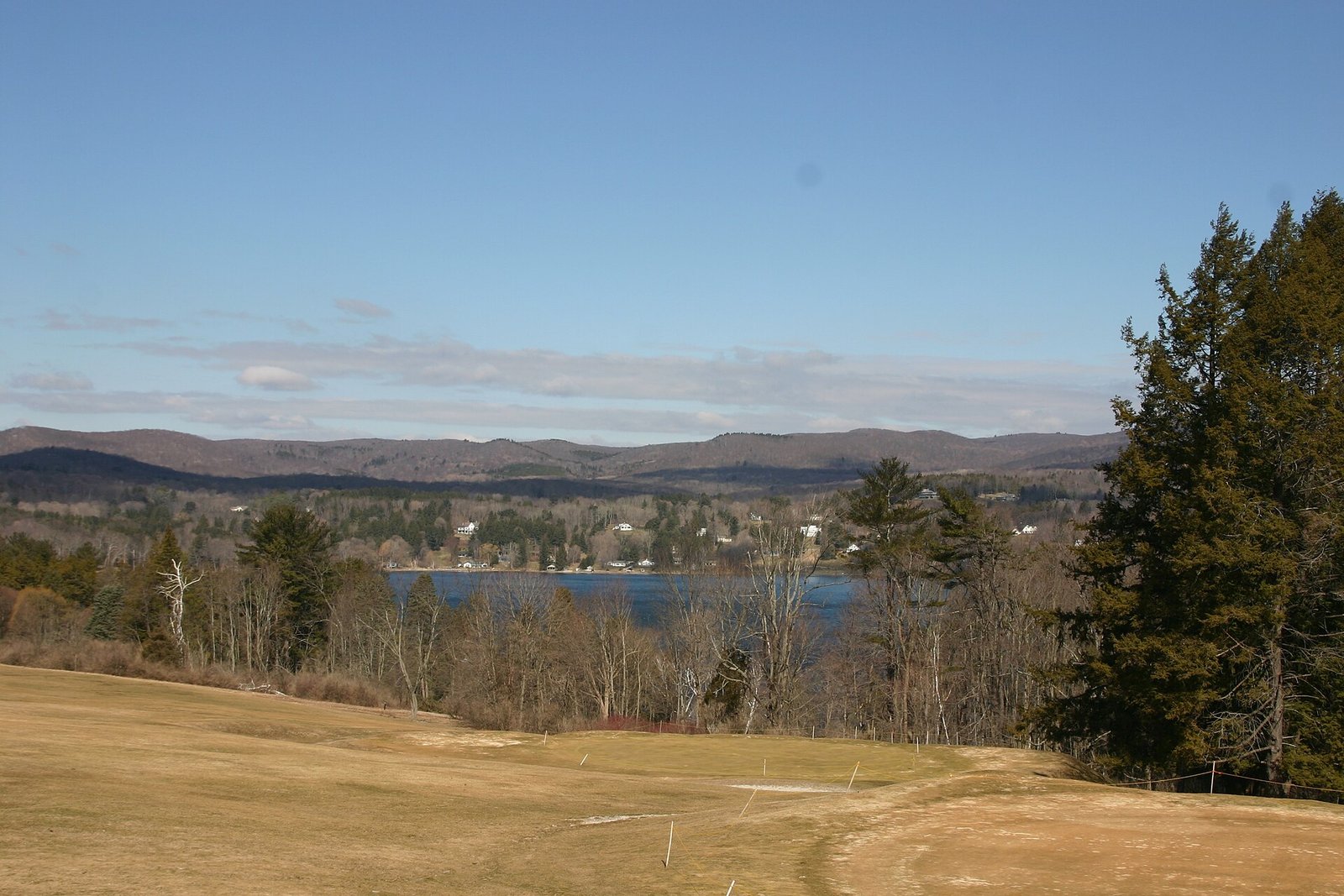
Distinctly rural, the agrarian communities here are set amongst rolling hills and seem to be almost frozen in time. Surprisingly, the terroir supports quality viticulture, and you'll find a variety of wines available throughout the region.

Rocky Mountain National Park
21 steder oppført
Rocky Mountain National Park is a national park of the United States located approximately 55 mi (89 km) northwest of Denver in north-central Colorado, within the Front Range of the Rocky Mountains. The park is situated between the towns of Estes Park to the east and Grand Lake to the west. The eastern and western slopes of the Continental Divide run directly through the center of the park with the headwaters of the Colorado River located in the park's northwestern region. The main features of the park include mountains, alpine lakes and a wide variety of wildlife within various climates and environments, from wooded forests to mountain tundra.

Deep Creek Lake
20 steder oppført
Maryland's mountain/lake resort and spa

Door County
20 steder oppført
"Cape Cod" of the Midwest. beaches, nature, museums and historic sites

Pocono Mountains
20 steder oppført
A popular Pennsylvania mountain "get-away-from-it-all" destination, home to some of the largest ski resorts in the Mid-Atlantic

Winslow
20 steder oppført
A prehistoric impact crater that was once used for training astronauts for their moon landings.

Amana Colonies
19 steder oppført
Founded as a German religious community

Catskills
19 steder oppført
Largely rural, wild, and mountainous, the Catskills are a popular vacation destination

Lassen Volcanic National Park
19 steder oppført
On May 22, 1915, an explosive eruption at Lassen Peak, the southernmost active volcano in the Cascade Range, devastated nearby areas and rained volcanic ash as far away as 200 miles to the east. This explosion was the most powerful in a 1914-17 series of eruptions that were the most recent to occur in the Cascades prior to the 1980 eruption of Mt. St. Helens.

Saint Simons Island
19 steder oppført
St. Simons Island is a barrier island and census-designated place (CDP) located on St. Simons Island in Glynn County, Georgia, United States. The names of the community and the island are interchangeable, known simply as "St. Simons Island" or "SSI", or locally as "The Island". St. Simons is part of the Brunswick metropolitan statistical area, and according to the 2020 U.S. census, the CDP had a population of 14,982. Located on the southeast Georgia coast, midway between Savannah and Jacksonville, St. Simons Island is both a seaside resort and residential community. It is the largest of Georgia's Golden Isles. Visitors are drawn to the island for its warm climate, beaches, variety of outdoor activities, shops and restaurants, historical sites, and natural environment.

Beaufort
18 steder oppført
The Queen of the Sea Islands is 300 years old, as of 2011

Lake of the Ozarks
18 steder oppført
One of the most popular lakes to visit in Missouri, it has an exciting atmosphere that brings people from all across the Midwest, especially in the Party Cove of the lake, and is great for boating and jet skiing.

Letchworth State Park
18 steder oppført
See the Genesee River gorge and its three large, scenic waterfalls

Skagway
18 steder oppført
Gold! Headlines read in 1897, starting the rush north to Alaska

Sussex County
18 steder oppført
Former mine offering tours through caverns of fluorescent rock

Crater Lake National Park
17 steder oppført
The deepest lake in North America, the clear blue water in this volcanic crater makes it an attraction.

Mammoth Cave National Park
17 steder oppført
; preserves the most extensive known cave system

Rockland
17 steder oppført
Home of the Lobster Festival

Theodore Roosevelt National Park
17 steder oppført
Theodore Roosevelt National Park is a national park of the United States in the badlands of western North Dakota. Comprising three geographically separated areas and the only American national park named after a single person, it pays homage to the time that President Theodore Roosevelt spent in the surrounding area and in the Dakota Territories before they were states. Roosevelt lived in the area after his mother and wife died hours apart on February 14, 1884.

West Yellowstone
17 steder oppført
West entrance to Yellowstone.

Oregon Caves National Monument
16 steder oppført
A marble cave complex that has been a tourist attraction since the late 1800s.

Pinnacles National Park
16 steder oppført
Rising out of the chaparral-covered Gabilan Mountains, east of central California's Salinas Valley, are the spectacular remains of an ancient volcano. Massive monoliths, spires, sheer-walled canyons and talus passages define millions of years of erosion, faulting and tectonic plate movement. Hiking through the impressive rock formations is the primary recreational opportunity, although bird watchers will enjoy the possibility of seeing the highly endangered California condor.

Big Bend National Park
15 steder oppført
One of the US's largest national parks and one of the most remote in the lower 48.

Cedar Key
15 steder oppført
Cedar Key is a city in Levy County, Florida, United States. As of the 2020 census, its population was 687, down from 702 at the 2010 census. It is part of the Gainesville, Florida Metropolitan Statistical Area. The Cedar Keys are a cluster of islands near the mainland. Most of the developed area for the city of Cedar Key has been on Way Key since the end of the 19th century. The Cedar Keys are named for the eastern red cedar Juniperus virginiana, once abundant in the area.

Ebey's Landing National Historical Reserve
15 steder oppført
Preserves and protects an unbroken historical record of Puget Sound exploration and settlement from the 19th century to the present. Historic farms, still under cultivation in the prairies of Whidbey Island, reveal land use patterns unchanged since settlers claimed the land in the 1850s.

Great Smoky Mountains National Park
15 steder oppført
National park in the southern Appalachians

Magic Mountain
15 steder oppført
Six Flags Magic Mountain, formerly known and colloquially referred to as simply Magic Mountain, is a 209-acre (85 ha) amusement park located in unincorporated Los Angeles County, just outside Santa Clarita, California, United States, 35 miles (56 km) northwest of downtown Los Angeles. It opened on May 29, 1971, as a development of the Newhall Land and Farming Company and Sea World Inc. In 1979, Six Flags purchased the park and added "Six Flags" to the park's name.

Mojave National Preserve
15 steder oppført
1.6 million acres (6.474.970 hectares) of mountains, jumble rocks, desert washes, and dry lakes

Port Aransas
15 steder oppført
Town on the northern tip of Mustang Island.

Quabbin
15 steder oppført
Created in the 1930s by damming the Swift River and flooding four towns, today the epically rural Quabbin provides hundreds of miles of trails and is home to a variety of wildlife including bald eagles.

Santa Catalina Mountains
15 steder oppført
A 'sky island' with dramatic flora, fauna and climate from the desert valley below.

Altoona
14 steder oppført
Altoona is a city in Blair County, Pennsylvania, United States. The population was 43,963 at the time of the 2020 census. It is the principal city of the Altoona metropolitan area, which includes all of Blair County and was recorded as having a population of 122,823.

Isle of Palms
14 steder oppført
Isle of Palms is a city in Charleston County, South Carolina, United States. As of the 2020 census, Isle of Palms had a population of 4,347. It is a barrier island on the South Carolina coast. The city is included within the Charleston-North Charleston-Summerville metropolitan area and the Charleston-North Charleston Urbanized Area. The town lies along a narrow strip of land, hugging the beach, separated from the mainland by the Intracoastal Waterway.

Pawleys Island
14 steder oppført
Pawleys Island is a town in Georgetown County, South Carolina, United States, and the Atlantic coast barrier island on which the town is located.

Redwood National Park
14 steder oppført
Ancient coast redwood ecosystem preserved in the park contains some of the planet's most majestic forests

Sanibel Island
14 steder oppført
Sanibel is an island and city in Lee County, Florida, United States. Its population was 6,382 at the 2020 census, down from 6,469 at the 2010 census. It is part of the Cape Coral-Fort Myers, Florida metropolitan statistical area. The island, also known as Sanibel Island, constitutes the entire city. It is a barrier island—a collection of sand on the leeward side of the more solid coral-rock of Pine Island.

Buffalo National River
13 steder oppført
The Buffalo National River, in Northern Arkansas, was the first National River to be designated in the United States. The Buffalo River is 153 miles (246 km) long. The lower 135 miles (217 km) flow within the boundaries of an area managed by the National Park Service, where the stream is designated the Buffalo National River. The river flows through Newton, Searcy, Marion, and Baxter Counties, from west to east. The river originates in the highest part of the Boston Mountains of the Ozarks, flows out onto the Springfield Plateau near the historic community of Erbie, and finally crosses a portion of the Salem Plateau just before joining the White River. The Park is home to the state's only elk herd. The upper section of the river in the Ozark National Forest is managed by the U.S. Forest Service and is designated as a National Scenic River and a National Wild River.

Daniel Boone National Forest
13 steder oppført
The Daniel Boone National Forest is a national forest in Kentucky, United States. Established in 1937, it includes 708,000 acres (287,000 ha) of federally owned land within a 2,100,000-acre (850,000 ha) proclamation boundary. The name of the forest was changed in 1966 in honor of the explorer Daniel Boone.

El Malpais National Monument
13 steder oppført
Scenic desert landscapes, including ancient lava flows, sandstone cliffs, and caves.

Finger Lakes
13 steder oppført
The East Coast answer to California's Napa Valley, with a hundred vineyards overlooking eleven long, thin lakes

Hawaii Volcanoes National Park
13 steder oppført
On the Big Island

Lava Beds National Monument
13 steder oppført
Lava Beds National Monument is a volcanic landscape created by the Medicine Lake volcano, which has erupted intermittently for approximately half a million years and was last active 900 years ago. While the above-ground landscape is impressive, it is underground where the park truly shines, as past eruptions have formed over 800 lava tube caves, many of which can be explored, and some of which extend for more than a mile.

Palo Duro Canyon
13 steder oppført
The "Grand Canyon of Texas" with sweeping vistas and colorful landscapes.

Petrified Forest National Park
13 steder oppført
Filled with beautifully colored mineralized trees.

White Mountain National Forest
13 steder oppført
Sprawling over, visitors will find a full range of outdoor activities on offer. Bag some peaks hiking the strenuous "Presidential Traverse", but contact the Appalachian Mountain Club and plan ahead. For a more accessible route, drive the Kancamagus Highway. One of New England's finest "leaf-peeping" locations.

Anna Maria Island
12 steder oppført
Anna Maria Island is a barrier island on the coast of Manatee County, Florida, in the United States. It is bounded on the west by the Gulf of Mexico, on the south by Longboat Pass, on the east by Anna Maria Sound, and on the north by Tampa Bay. Anna Maria Island is approximately 7 miles (11 km) long north to south.

Jackson Township
12 steder oppført
Massive amusement park and safari, with neighboring waterpark

North Adams
12 steder oppført
At over 250,000 square feet, this is one of the largest centers for the arts in the United States. Well known for featuring a variety of artists producing immersive and evocative pieces.

Seymour
12 steder oppført
In the small town that song was about

Sleeping Bear Dunes National Lakeshore
12 steder oppført
Enormous dunes in a wild part of Northern Michigan.

Acadia National Park
11 steder oppført
The only National Park in New England, Acadia is perhaps the most dramatic example of a glaciated coastal landscape. Dizzyingly high granite domes swoop down into the Atlantic, where surf crashes over rocky beaches. First inhabited by the Wabanaki people, visitors have considered this place special for at least 12,000 years.

Amelia Island
11 steder oppført
Historic island at the north end of the state, with excellent golf resorts and a lively downtown

Arches National Park
11 steder oppført
The world's largest concentration of natural arches and a symbol of the state of Utah.

Fire Island National Seashore
11 steder oppført
A barrier island in Long Island with great beaches

Green Mountains
11 steder oppført
These federally protected mountains are Vermont's namesake. Okemo and Stratton are some of the larger ski resorts here. Popular thru-hiking routes include the Long Trail and Appalachian Trail. Arduous, but immensely rewarding.

Gulf Islands National Seashore
11 steder oppført
12 islands along the Gulf Coast, featuring excellent beaches and sea turtles

Indiana Dunes National Park
11 steder oppført
Beautiful dunes and beaches, hidden on the industrial northwest coast of Indiana.

Land Between the Lakes National Recreation Area
11 steder oppført
Land Between the Lakes National Recreation Area (LBL) is a 171,280-acre (69,310 ha) national recreation area in Kentucky and Tennessee, United States, between Lake Barkley and Kentucky Lake. It was designated as a national recreation area in 1963 by President John F. Kennedy and developed using funds appropriated during the Johnson administration.

Saguaro National Park
11 steder oppført
A park not far from Tucson preserving the quintessential cactus, the saguaro.

Sequoia National Forest
11 steder oppført
Sequoia National Forest is a U.S. national forest located in the southern Sierra Nevada mountains of California. It is named for the majestic Giant Sequoia trees which populate 38 distinct groves within its boundaries.

Sharpsburg
11 steder oppført
Site of the bloodiest single day in American History, at the first battle of the Civil War in the North

Blue Ridge
10 steder oppført
Gateway to the mountains and the Toccoa River

Bulow Plantation
10 steder oppført
Bulow Plantation Ruins Historic State Park is a Florida State Park in Flagler Beach, Florida. It is three miles west of Flagler Beach on CR 2001, south of SR 100, and contains the ruins of an antebellum plantation and its sugar mill, built of coquina, a fossiliferous sedimentary rock composed of shells. It was the largest plantation in East Florida, and was operated with the forced labor of enslaved Africans and African Americans.

Chickasaw National Recreation Area
10 steder oppført
The foothills of the Arbuckle Mountains

Crow Agency
10 steder oppført
Custer's Last Stand battlefield and Reenactment location

Glen Canyon National Recreation Area
10 steder oppført
Glen Canyon National Recreation Area is a national recreation area and conservation unit of the United States National Park Service that encompasses the area around Lake Powell and lower Cataract Canyon in Utah and Arizona, covering 1,254,429 acres (5,076.49 km2) of mostly rugged high desert terrain. The recreation area is named for Glen Canyon, which was flooded by the Glen Canyon Dam, completed in 1966, and is now mostly submerged beneath the waters of Lake Powell.

Shawnee National Forest
10 steder oppført
Shawnee National Forest is a United States National Forest located in the Shawnee Hills of Southern Illinois, United States. Administered by the United States Forest Service, it consists of approximately 498,615 acres (201,782 ha) of federally managed lands. In descending order of land area it is located in parts of Pope, Jackson, Union, Hardin, Alexander, Saline, Gallatin, Johnson, and Massac counties. Forest headquarters are located in Harrisburg, Illinois. There are local ranger district offices in Jonesboro and Vienna. Shawnee National Forest is also the single largest publicly owned body of land in Illinois.

Canaveral National Seashore
9 steder oppført
The longest stretch of unspoiled beach on the Atlantic coast, near rocket launches

Craters of the Moon National Monument
9 steder oppført
Craters of the Moon National Monument and Preserve is a U.S. national monument and national preserve in the Snake River Plain in central Idaho. It is along US 20, between the small towns of Arco and Carey, at an average elevation of 5,900 feet (1,800 m) above sea level.

Killington
9 steder oppført
Vermont's second tallest mountain, the East's largest ski resort.

Mount Diablo State Park
9 steder oppført
This 20,000 acre (80 km2) state park provides great hiking opportunities on a mountain that dominates the landscape for most of central and eastern Contra Costa County. It offers an incredible viewshed, with views on clear days stretching 181 miles (291 km) to Mount Lassen.

Samsula-Tomoka Farms
9 steder oppført
Rural area north of FL-44 popular with bikers during Daytona Bike Week

Siesta Key
9 steder oppført
Siesta Key is a barrier island off the southwest coast of the U.S. state of Florida, located between Roberts Bay and the Gulf of Mexico. A portion of it lies within the city boundary of Sarasota, but the majority of the key is a census-designated place (CDP) in Sarasota County. Siesta Key is part of the North Port–Bradenton–Sarasota, Florida Metropolitan Statistical Area.

Black Rock City
8 steder oppført
A city of 70,000 people during the annual Burning Man festival at the end of August, wide open desert during the rest of the year.

Caprock Canyons State Park
8 steder oppført
Caprock Canyons State Park and Trailway is a 17,500-acre (7,100 ha) state park located along the eastern edge of the Llano Estacado in Briscoe County, Texas, United States. The park opened in 1982 and is managed by the Texas Parks and Wildlife Department (TPWD).

Cedar Breaks National Monument
8 steder oppført
Large natural amphitheater northeast of Cedar City in forested, mountainous area

Cooke City
8 steder oppført
Near the Northeast entrance to Yellowstone.

Flaming Gorge National Recreation Area
8 steder oppført
The canyon surrounding this giant reservoir was named by explorer John Wesley, who upon first looking at the red gorge, believed that it was on fire.

Great Basin National Park
8 steder oppført
Great Basin National Park is a national park of the United States located in White Pine County in east-central Nevada, near the Utah border. Established 40 years ago in 1986, the park is most commonly entered by way of Nevada State Route 488, which is connected to U.S. Routes 6 and 50 by Nevada State Route 487 via the small town of Baker, the closest settlement.

Haleakalā National Park
8 steder oppført
On Maui

Leadville
8 steder oppført
Near Leadville. This summit is the highest point of the Rocky Mountains of the United States and Canada.

Mount Washington State Park
8 steder oppført
Get your official "This Car Climbed Mt. Washington" bumper sticker here! Fantastic views, an alpine climate, and mile after mile of pristine hiking trails. Railfans can ride the steep and historic Cog to the top. Extreme skiers can try their luck shredding Tuckerman Ravine in the spring.

St. Mary's City
8 steder oppført
Maryland's original colonial capital and one of the very first British settlements in North America

Standing Rock
8 steder oppført
The Standing Rock Sioux Tribe of North & South Dakota controls the Standing Rock Reservation , which straddles the border between North and South Dakota in the United States, and is inhabited by ethnic "Hunkpapa and Sihasapa bands of Lakota Oyate and the Ihunktuwona and Pabaksa bands of the Dakota Oyate," as well as the Hunkpatina Dakota. The Ihanktonwana Dakota are the Upper Yanktonai, part of the collective of Wiciyena. The sixth-largest Native American reservation in land area in the US, Standing Rock includes all of Sioux County, North Dakota, and all of Corson County, South Dakota, plus slivers of northern Dewey and Ziebach counties in South Dakota, along their northern county lines at Highway 20.

Big South Fork National River and Recreation Area
7 steder oppført
The Big South Fork National River and Recreation Area, commonly known as Big South Fork, preserves the Big South Fork of the Cumberland River and its tributaries in northeastern Tennessee and southeastern Kentucky.

Black Hills National Forest
7 steder oppført
One of the few mountainous areas on the Great Plains

Capitol Reef National Park
7 steder oppført
Remote park along the Waterpocket Fold, a 100-mile (160-km) monocline of domes, monoliths and narrow canyons

Captiva Island
7 steder oppført
Captiva is an unincorporated community and census-designated place (CDP) in Lee County, Florida, United States. It is on Captiva Island. As of the 2020 census, the population was 318, down from 583 at the 2010 census. It is part of the Cape Coral-Fort Myers, Florida Metropolitan Statistical Area.

Devils Tower National Monument
7 steder oppført
Devils Tower is a laccolithic butte, composed of igneous rock in the Bear Lodge Ranger District of the Black Hills, near Hulett and Sundance in Crook County, northeastern Wyoming, above the Belle Fourche River. It rises 1,267 feet (386 m) above the Belle Fourche River, standing 867 ft (264 m) from summit to base. The summit is 5,112 ft (1,558 m) above sea level.

Guadalupe Mountains National Park
7 steder oppført
Home to the highest point in Texas (8,751 ft / 2,667 m).

Independence
7 steder oppført
Manzanar National Historic Site, one of ten camps where Japanese American citizens and resident Japanese aliens were interned during World War II

Mackinac Island
7 steder oppført
Mackinac Island is an island and resort area, covering 4.35 square miles (11.3 km2) in land area, in the U.S. state of Michigan. The name of the island in Odawa is Michilimackinac and "Mitchimakinak" in Ojibwemowin, meaning "Great Turtle". It is located in Lake Huron, at the eastern end of the Straits of Mackinac, between the state's Upper and Lower Peninsulas and northwest of Round Island. The island was long home to an Odawa settlement and previous indigenous cultures before European colonization began in the 17th century. It was a strategic center of the fur trade around the Great Lakes. Based on a former trading post, Fort Mackinac was constructed on the island by the British during the American Revolutionary War. It was the site of two battles during the War of 1812 before the northern border was settled and the US gained this island in its territory.

Mount Hood
7 steder oppført
The highest mountain in the state of Oregon and a major outdoor recreation site.

Shenandoah Valley
7 steder oppført
The Shenandoah Valley is a geographic valley and cultural region of western Virginia and the eastern panhandle of West Virginia in the United States. The Valley is bounded to the east by the Blue Ridge Mountains, to the west by the eastern front of the Ridge-and-Valley Appalachians, to the north by the Potomac River, to the south by the James River, and to the Southwest by the New River Valley. The cultural region covers a larger area that includes all of the Valley plus the Virginia Highlands to the west and the Roanoke Valley to the south. It is physiographically located within the Ridge and Valley Province and is a portion of the Great Appalachian Valley.

Apalachicola National Forest
6 steder oppført
The Apalachicola National Forest is the largest U.S. National Forest in the state of Florida. It encompasses 635,019 acres of which 576,374 acres are under National Forest System management. It is the only national forest located in the Florida Panhandle. The National Forest provides water and land-based outdoors activities such as off-road biking, hiking, swimming, boating, hunting, fishing, horse-back riding, and off-road ATV usage.

Carrizo Plain National Monument
6 steder oppført
This remote national monument is home to the largest remaining native grassland in California. During wet years it boasts spectacular wildflowers in the spring, and Soda Lake is an important wintering area for waterfowl when precipitation is sufficient to flood the seasonal lakebed. The park is also home to Painted Rock, a Native American site that has been adorned with pictographs over thousands of years. Services are extremely limited, with just a small visitor center, two primitive campgrounds, and a handful of marked trails available.

Chautauqua
6 steder oppført
More-or-less a summer camp for adults, founded in 1874

Chesapeake and Ohio Canal National Historical Park
6 steder oppført
An old canal, turned into a park popular with runners and joggers, as well as admirers of the awesome Great Falls on the Potomac River

Crested Butte
6 steder oppført
Former coal ming town is now a mecca for skiing and mountain biking.

Deerfield
6 steder oppført
Stroll around this National Historic Landmark, where a dozen or so historic house-museums are laid out along a street plan unchanged since the 1690s.

Deuel County
6 steder oppført
Rural county

Jewel Cave National Monument
6 steder oppført
Jewel Cave National Monument contains Jewel Cave, currently the fifth longest cave in the world and second longest cave in the United States, with 220.33 miles (354.59 km) of mapped passageways as of July 2025. It is located approximately 13 miles (21 km) west of the town of Custer in the Black Hills of South Dakota.

Lake Ashby
6 steder oppført
Lake and surrounding area between New Smyrna and Daytona

Lake Clark National Park and Preserve
6 steder oppført
The Park was created to protect scenic beauty (volcanoes, glaciers, wild rivers and waterfalls), populations of fish and wildlife, watersheds essential for red salmon, and the traditional lifestyle of local residents. Lake Clark's spectacular scenery provides a true wilderness experience for those who visit.

Mono Lake
6 steder oppført
Mono Lake is a saline soda lake in Mono County, California, formed at least 760,000 years ago as a terminal lake in an endorheic basin. The lack of an outlet causes high levels of salts to accumulate in the lake which make its water alkaline.

Monongahela National Forest
6 steder oppført
Over 919,000 acres (3,700 km2) of forest stretching across the eastern half of West Virginia from near Elkins to Richwood. Includes the highest point in West Virginia: Spruce Knob, and the famous Seneca Rocks and Dolly Sods to the north; and the Highland Scenic Highway and Cranberry Wilderness and Cranberry Glades to the south.

Rachel
6 steder oppført
Situated in the village of Rachel, Area 51 is a military installation that has intrigued conspiracy theorists with tales of extraterrestrial activity.

Timucuan Ecological and Historic Preserve
6 steder oppført
The Timucuan Ecological and Historic Preserve is a U.S. National Preserve in Jacksonville, Florida. It comprises 46,000 acres (19,000 ha) of wetlands, waterways, and other habitats in northeastern Duval County. Managed by the National Park Service in cooperation with the City of Jacksonville and Florida State Parks, it includes natural and historic areas such as the Fort Caroline National Memorial and the Kingsley Plantation.

White Mountains
6 steder oppført
Home to the bristlecone pines, trees that can live up to 5,000 years.

Wind Cave National Park
6 steder oppført
Named for its sacred cave whose air which is either sucked in or blown out, depending on atmospheric conditions. Its thin calcite fins and honeycomb rock structures stand in contrast to the 28,295 acres of mixed-grass prairie, ponderosa pine forest and roaming buffalo above ground.

Atchafalaya Basin
5 steder oppført
The Atchafalaya Basin, or Atchafalaya Swamp, is the largest swamp wetland in the United States. Located in south central Louisiana, it is a combination of wetlands and river delta area where the Atchafalaya River and the Gulf of Mexico converge. The river stretches from near Simmesport in the north through parts of eight parishes to Morgan City in the south.

Dawsonville
5 steder oppført
Dawsonville is a city in and the county seat of Dawson County, Georgia, United States. The population was 5,421 in 2026. Dawsonville is included in the Atlanta-Sandy Springs-Roswell, GA metropolitan statistical area.

Devils Postpile National Monument
5 steder oppført
Protects and preserves the Devils Postpile formation, the high Rainbow Falls, and pristine mountain scenery

Katmai National Park
5 steder oppført
Famous for volcanoes, brown bears, pristine waterways with abundant fish, remote wilderness, and a rugged coastline

Kenai Fjords National Park
5 steder oppført
A land where the ice age still lingers where glaciers, earthquakes, and ocean storms are the architects.

Mark Twain National Forest
5 steder oppført
Found in various parts of the state from the southwest to the east. Features many campgrounds, hiking trails, and lakes. Some sites of note: Council Bluffs; on Highway DD about 3 miles (5 km) north of Hwy 32 in Iron County. Features a full campground, beach swimming, boat rentals and concessions. Loggers Lake; approx. 10 miles (15 km) from highway 72 in Bunker, follow signs as this place is not on any kind of paved road. Features everything mentioned above except concessions.

Mount Rushmore National Memorial
5 steder oppført
The iconic memorial of four former presidents carved into a cliff face

Puʻuhonua o Hōnaunau National Historical Park
5 steder oppført
On the Big Island

Sandy Hook
5 steder oppført
Peninsula in Monmouth County

Scotts Bluff National Monument
5 steder oppført
Scotts Bluff National Monument is located west of the city of Gering in western Nebraska, United States. This National Park Service site protects over 3,000 acres of historic overland trail remnants, mixed-grass prairie, rugged badlands, towering bluffs and riparian area along the North Platte River. The park boasts over 100,000 annual visitors.

Sun Lakes-Dry Falls State Park
5 steder oppført
An overlook where you can see the remains of the end of the last ice age where a flow of up to 10 times of all the present-day rivers of the world merged into a huge waterfall. While not as deep as the Grand Canyon, you can get dizzyingly close to the edge.

Assateague Island
4 steder oppført
Most famous for its wild ponies, but deserves equal fame for outstanding natural beauty and great beach camping

Black Canyon of the Gunnison National Park
4 steder oppført
Black Canyon of the Gunnison National Park is a national park of the United States located in western Colorado and managed by the National Park Service. The Black Canyon of the Gunnison was established as a national monument on March 2, 1933. It was redesignated a national park on October 21, 1999, and incorporated 4,000 acres owned by the Bureau of Land Management. The Gunnison Gorge National Conservation Area was created at the same time. There are two primary entrances to the park: the south rim entrance is located 15 miles (24 km) east of Montrose, while the north rim entrance is 11 miles (18 km) south of Crawford and is closed in the winter. The park contains 12 miles (19 km) of the 48-mile-long (77 km) Gunnison River.

Dollywood
4 steder oppført
And Dollywood's Splash Country

Quonset Point
4 steder oppført
Quonset Point, also known simply as Quonset, is a small peninsula in Narragansett Bay in the town of North Kingstown, Rhode Island. Its name is widely known from the Quonset hut, which was first manufactured there. Quonset is an Algonquian word meaning "small, long place".

Antelope County
3 steder oppført
Rural county

Apostle Islands National Lakeshore
3 steder oppført
Wild beauty on Lake Superior with boat tours just off the Bayfield shore

Bandelier National Monument
3 steder oppført
Gorgeous canyon scenery and well-preserved ancient cliff-side dwellings.

Canyon de Chelly National Monument
3 steder oppført
A gorgeous canyon dotted with ancient ruins.

Delaware Water Gap National Recreation Area
3 steder oppført
Camping, hiking and rafting in a large valley on the Delaware River

Lake Mead National Recreation Area
3 steder oppført
Lake Mead National Recreation Area is a U.S. national recreation area in Southeastern Nevada and Northwestern Arizona. Operated by the National Park Service, Lake Mead NRA follows the Colorado River corridor from the westernmost boundary of Grand Canyon National Park to just north of the cities of Laughlin, Nevada and Bullhead City, Arizona. It includes all of the eponymous Lake Mead as well as the smaller Lake Mohave – reservoirs on the river created by Hoover Dam and Davis Dam, respectively – and the surrounding desert terrain and wilderness.

Lincoln Boyhood National Memorial
3 steder oppført
Lincoln Boyhood National Memorial is a United States presidential memorial and a National Historic Landmark District in Lincoln City, Indiana. It preserves the farm site where Abraham Lincoln lived with his family from 1816 to 1830. During that time, he grew from a 7-year-old boy to a 21-year-old man. His mother, Nancy Hanks Lincoln (d.1818), and at least 27 other settlers were buried here in the Pioneer Cemetery. His sister Sarah Lincoln Grigsby (d.1827) was buried in the nearby Little Pigeon Baptist Church cemetery, now across the highway at Lincoln State Park.

Millinocket
3 steder oppført
Mount Katahdin looms over this massive wilderness area. Katahdin functions as the northern terminus of the Appalachian Trail. Those who visit must be self sufficient, as within the park there is no electricity, running water, or even pavement.

Minuteman Missile National Historic Site
3 steder oppført
The Minuteman Missile National Historic Site is an American national historic site established in 1999 near Wall, South Dakota, to illustrate the history and significance of the Cold War, the nuclear arms race, and intercontinental ballistic missile (ICBM) development. The site preserves the last intact Minuteman II ICBM system in the United States, in a disarmed and demilitarized status. Guided tours are available of the underground Launch Control Center, and a missile silo can be observed from above. Some 450 of the newer Minuteman III missiles are still on active duty at Malmstrom AFB, Montana, Minot AFB, North Dakota, and F. E. Warren AFB, Wyoming.

Patapsco Valley State Park
3 steder oppført
A big state park with over 32 miles (51 km) of well-marked trails leading to historic and natural sites of interest, all just a half-hours drive away from Baltimore

Wrangell-St. Elias National Park and Preserve
3 steder oppført
Chugach, Wrangell, and Saint Elias mountain ranges converge here in what is often referred to as the "mountain kingdom of North America." It has the continent's largest assemblage of glaciers and greatest collection of peaks above.

Baxter State Park
2 steder oppført
Possibly Maine's best-preserved wilderness

Big Thicket National Preserve
2 steder oppført
Biggest preserved region of Texas' swampy cypress forests.

Brighton Seminole Indian Reservation
2 steder oppført
Reservation near Lake Okeechobee in the Heartland region

Carlsbad Caverns National Park
2 steder oppført
A UNESCO World Heritage Site showcasing showcasing some of the most impressive cave formations in the world.

Catoctin Mountain Park
2 steder oppført
A big, rugged park centered around Catoctin Mountain, and home to the Presidential retreat of Camp David

Childersburg
2 steder oppført
A cavern and small family attraction in Childersburg, Alabama.

Cumberland Island National Seashore
2 steder oppført
Cumberland Island National Seashore preserves most of Cumberland Island in Camden County, Georgia, the largest of Georgia's Golden Isles. The seashore features beaches and dunes, marshes, and freshwater lakes. The national seashore also preserves and interprets many historic sites and structures.

George Rogers Clark National Historical Park
2 steder oppført
George Rogers Clark National Historical Park, located in Vincennes, Indiana, on the banks of the Wabash River at what is believed to be the site of Fort Sackville, is a United States National Historical Park. President Calvin Coolidge authorized a classical memorial and President Franklin D. Roosevelt dedicated the completed structure in 1936.

Great Sand Dunes National Park
2 steder oppført
Great Sand Dunes National Park and Preserve is a national park of the United States that conserves an area of large sand dunes on the eastern edge of the San Luis Valley, and an adjacent national preserve in the Sangre de Cristo Range, in south-central Colorado. The park was originally designated Great Sand Dunes National Monument on March 17, 1932, by President Herbert Hoover. The original boundaries protected an area of 35,528 acres. A boundary change and redesignation as a national park and preserve was authorized on November 22, 2000, and then established on September 24, 2004. The park encompasses 107,342 acres while the preserve protects an additional 41,686 acres for a total of 149,028 acres. The recreational visitor total was 527,546 in 2019.

Itasca State Park
2 steder oppført
Itasca State Park is a state park of Minnesota, United States, and contains the headwaters of the Mississippi River. The park spans 32,690 acres (132.3 km2) of northern Minnesota, and is located about 21 miles (34 km) north of Park Rapids, Minnesota and 25 miles (40 km) from Bagley, Minnesota. The park is part of Minnesota's Pine Moraines and Outwash Plains Ecological Subsection and is contained within Clearwater, Hubbard, and Becker counties.

Kobuk Valley National Park
2 steder oppført
Ancient arctic sand dunes and a sub-arctic river that traverses the boreal forest; this park harbors archeological sites more than 10,000 years old, and supports small communities of inland Inupiat peoples

Lake Chatuge
2 steder oppført
Lake Chatuge is a man-made reservoir in Towns County, Georgia, and Clay County, North Carolina. It was formed by the Tennessee Valley Authority's construction of Chatuge Dam in 1942. The lake is relatively shallow with depths of 30 feet (9.1 m) and reaches 144 feet (44 m) by the dam. In an average year the water level varies 10 feet (3.0 m) from winter to summer to provide seasonal flood storage. Lake Chatuge is the highest major lake in the state of Georgia. It takes up 7,000 acres and is 13 miles (21 km) long.

Little Diomede
2 steder oppført
The westernmost point of North America (Save for the Aleutian Islands) is a small island in the Bering Strait almost on the International Date Line

Montague
2 steder oppført
The highest point in the state, with a tower and beautiful views of the states of New Jersey, Pennsylvania and New York

Waimea Canyon
2 steder oppført
On Kaua‘i

Aniakchak National Monument
1 sted oppført
Vibrant reminder of Alaska's location in the volcanically active Ring of Fire

Anza-Borrego Desert State Park
1 sted oppført
Anza-Borrego Desert State Park is a California State Park located within the Colorado Desert of Southern California, United States. Created in 1932, the park takes its name from 18th century Spanish explorer Juan Bautista de Anza and borrego, a Spanish word for sheep. With 650,000 acres (260,000 ha) that includes one-fifth of San Diego County, it is the largest state park in California and the third largest state park nationally.

Bering Land Bridge National Preserve
1 sted oppført
During the Ice Age the people of Beringia were separated

Big Cypress National Preserve
1 sted oppført
Big Cypress National Preserve is a United States national preserve located in South Florida, about 45 miles (72 km) west of Miami on the Atlantic coastal plain. The 720,000-acre (2,900 km2) Big Cypress, along with Big Thicket National Preserve in Texas, became the first national preserves in the United States National Park System when they were established on October 11, 1974. Florida film producer Elam Stoltzfus has featured the preserve and its photographers Niki and Clyde Butcher in several PBS and other documentaries, beginning with the half-hour "Visions of Florida: the Photographic Art of Clyde Butcher" produced in 1990.
Biscayne National Park
1 sted oppført
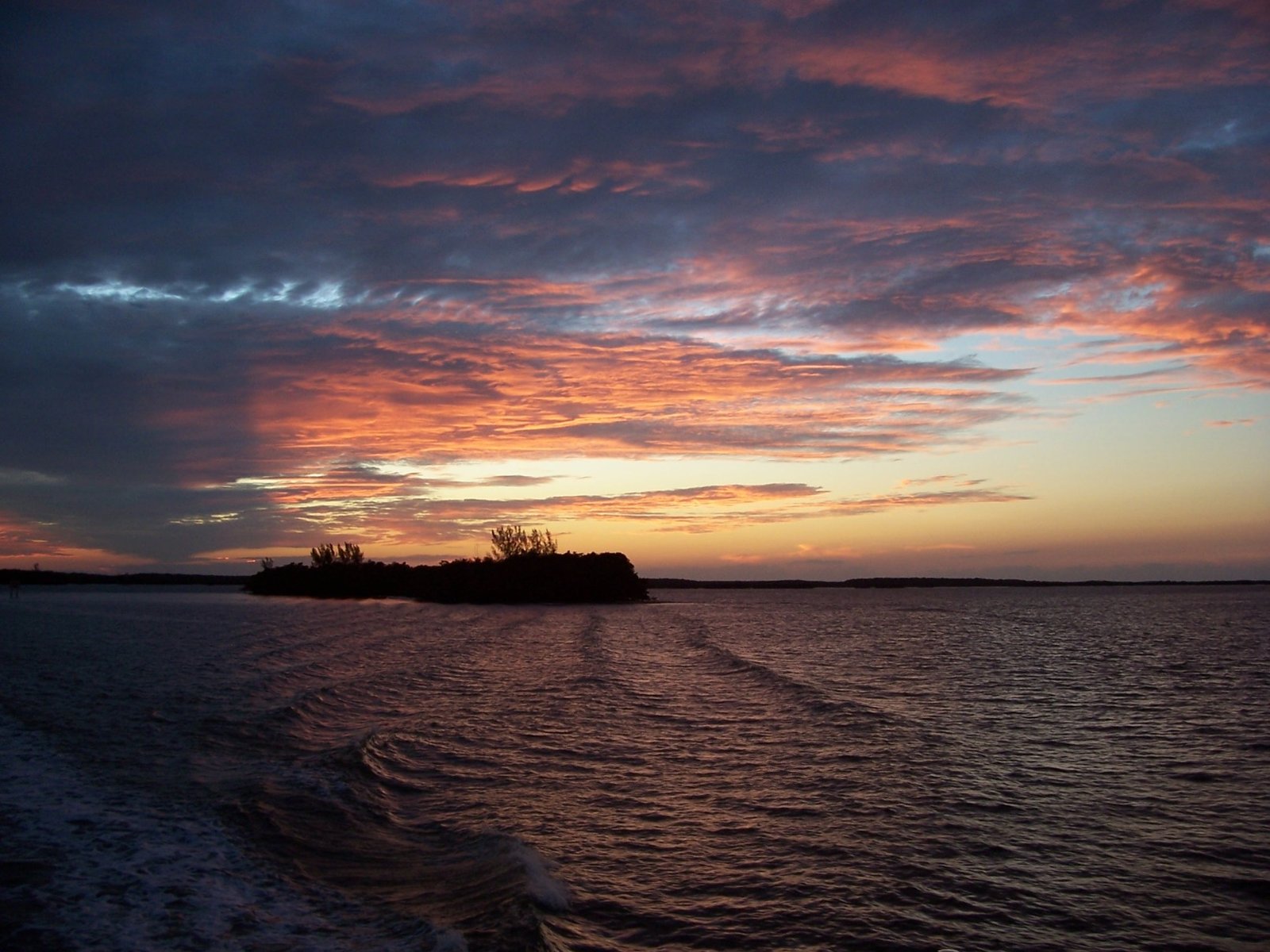
A massive marine park protecting a wide range of animals and coral reefs

Blue Spring State Park
1 sted oppført
Famous for manatees

Cape Krusenstern National Monument
1 sted oppført
Stretches 70 miles along the Chukchi Sea shoreline

Chimney Rock National Historic Site
1 sted oppført
Chimney Rock is a prominent geological rock formation in the United States, located in Morrill County in western Nebraska. Rising over 300 feet (90 m) above the surrounding North Platte River valley, the peak of Chimney Rock is 4,228 feet (1,289 m) above sea level. The formation served as a landmark along the Oregon, California, and Mormon Trails during the mid-19th century. The trails ran along the north side of the rock, which remains a visible landmark for modern travelers along U.S. Route 26 and Nebraska Highway 92. Chimney Rock National Historic Site was designated in 1956 and is an affiliated area of the National Park Service, operated by History Nebraska. A decade later, Chimney Rock was added to the National Register of Historic Places on October 15, 1966.

City of Rocks National Reserve
1 sted oppført
On the southern edge of the state. Popular with hikers and rock climbers for its maze of massive boulders (some over 100 meters in height).

Fossil Butte National Monument
1 sted oppført
The monument contains 8,198 acres and protects a portion of the largest deposit of freshwater fish fossils in the world.

Four Corners
1 sted oppført
Where four states meet at one point.

Kalaupapa National Historical Park
1 sted oppført
On Moloka‘i

Little Gasparilla Island
1 sted oppført
Little Gasparilla Island is a barrier island in Charlotte County, Florida, United States. It is just north of Gasparilla Island, separated by Gasparilla Pass, and it lies west of the town of Placida, separated by Placida Harbor. It is connected with Don Pedro Island to the north by a thin strip of beach and mangrove swamp. It borders the Gulf of Mexico to the west, and the island can be reached by water taxi from Placida.

Little Missouri National Grasslands
1 sted oppført
Little Missouri National Grassland is a National Grassland located in western North Dakota, United States. At 1,028,051 acres (416,037 ha), it is the largest grassland in the country. Enclaved within its borders is Theodore Roosevelt National Park with an additional 70,446 acres (28,508 ha), which is managed by the National Park Service. The Little Missouri National Grassland was once a part of the Custer National Forest, but is now a part of the Dakota Prairie Grasslands, a National Forest unit consisting entirely of National Grasslands. A predominant feature of the grassland is colorful and beautiful badlands, a rugged terrain extensively eroded by wind and water. It is a mixed-grass prairie with both long and short grass.

Myakka River State Park
1 sted oppført
Myakka River State Park is a Florida State Park, that is located nine miles (14 km) east of Interstate 75 in Sarasota County and a portion of southeastern Manatee County on the Atlantic coastal plain. This state park consists of 37,000 acres (150 km2), making it one of the state's largest parks. It is also one of the oldest parks in the state. It was delineated in the 1930s by the Civilian Conservation Corps. A small portion of the park was the gift of the family of Bertha Palmer to the state. The park is managed and maintained by the Florida Department of Environmental Protection's Division of Recreation and Parks, with help from the Friends of Myakka River. The park is named after the Myakka River, Florida's first "Wild and Scenic River".

New River Gorge
1 sted oppført
The deepest canyon in eastern North America.

Noatak National Preserve
1 sted oppført
As one of North America's largest mountain-ringed river basins with an intact ecosystem, the Noatak River environs features some of the Arctic's finest arrays of plants and animals

Okefenokee National Wildlife Refuge
1 sted oppført
The Okefenokee National Wildlife Refuge is a 402,000‑acre (1,627 km2) National Wildlife Refuge located in Charlton, Ware, and Clinch Counties of Georgia, and Baker County in Florida, United States. The refuge is administered from offices in Folkston, Georgia. The refuge was established in 1937 to protect a majority of the 438,000 acres (1,770 km2) in the Okefenokee Swamp. The name "Okefenokee", often translated as "land of trembling earth", is likely derived from Hitchiti oki fanôːki.

Osceola National Forest
1 sted oppført
In the far north of the state

Ozark National Forest
1 sted oppført
The Ozark – St. Francis National Forest is a United States National Forest that is located in the state of Arkansas. It is composed of two separate forests, Ozark National Forest in the Ozark Mountains; and St. Francis National Forest on Crowley's Ridge. Each forest has distinct biological, topographical, and geological differences.

Ozark National Scenic Riverways
1 sted oppført
Missouri's only national park consists of the Current and Jacks Fork Rivers. This is the best area in the state for an international backpacker. The park has numerous places to camp. There are many canoe and float trip operators that will provide transportation to and from the river for a reasonable price. While canoeing or floating down the rivers, there are many caves, but as of 2026, they cannot be explored with the exception of Jam-Up Cave, as they are all closed to public entry due to White Nose Syndrome. If you decide to swim in the rivers, be careful and wear some kind of shoe that will stay securely on your feet. The river is full of rocks that are very painful to the feet and the current of the rivers could sweep the shoes right off your feet. It is still a great place to go swimming, especially the Current River. The water on a 6 foot man only rises about neck high in most places and it is spring fed and very cold even on the hottest day. Note: Be prepared if you have an emergency on the river as your cell phone will not work on the river or near it. There are pay phones at some stores along the river. Bring everything you think you may need. Hospitals are scarce and a good drive to get to in this area.

Pipestone National Monument
1 sted oppført
Pipestone National Monument is a national monument located in southwestern Minnesota, just north of the city of Pipestone. Lying along U.S. Route 75, Minnesota State Highway 23 and Minnesota State Highway 30, it is home to catlinite rock quarries culturally significant to 23 Native Americans tribal nations of North America.

Rock Creek Lake
1 sted oppført
Rock Creek Lake is an alpine lake along the Elkhorn Crest trail in the southern end of the Elkhorn Mountains in Baker County, eastern Oregon. It is located on the northern slope of Rock Creek Butte, the highest point in the Elkhorn Mountains range. While the lake is located on a glacial cirque, it is part of the West Fork Rock Creek drainage basin.

Voyageurs National Park
1 sted oppført
Minnesota's only national park, commemorating the French–Canadian fur traders

Whiskeytown National Recreation Area
1 sted oppført
Park's features include: Whiskeytown Lake, Shasta Bally (6,209 ft.) and numerous waterfalls, providing outdoor enthusiasts opportunities for water recreation, hiking, mountain biking and horseback riding.

Willamette National Forest
1 sted oppført
Offering numerous outdoor recreation activities including hiking, sailing, and camping at Waldo Lake.

Aransas National Wildlife Refuge
Ingen steder oppført ennå
Aransas National Wildlife Refuge is a 115,324-acre (466.7 km2) protected area situated on the southwest side of San Antonio Bay along the Gulf Coast of the U.S. state of Texas. It is located in parts of Aransas, Refugio, and Calhoun Counties. It is situated on the southwest side of the San Antonio Bay, formed by the mouth of the Guadalupe River. It also includes nearly the entirety of Matagorda Island, a 38-mile barrier island. The Aransas National Wildlife Refuge was established by Executive Order 7784 on 31 December 1937 by President Franklin D. Roosevelt as the Aransas Migratory Waterfowl Refuge as a refuge and breeding ground for migratory birds and other wildlife. Roosevelt issued a proclamation in 1940 changing the name to the Aransas National Wildlife Refuge.

Arcadia Wildlife Management Park
Ingen steder oppført ennå
The Arcadia Management Area is a protected area in Richmond, Exeter, Hopkinton, and West Greenwich, Rhode Island. With an area of 14,000 acres, it is the state's largest recreational area. AMA is home to an extensive network of logging roads and single track trails - ideal for picnicking, hiking, running, mountain biking, fishing, horseback riding, and boating. During the winter some of the roads going through the forest close and are only accessible by foot traffic. In 2011, part of the film Moonrise Kingdom was filmed at the park. The former Pine Top Ski Area on Escoheag Hill is located within Arcadia.

Boundary Waters Canoe Area Wilderness
Ingen steder oppført ennå
A large chain of lakes, rivers and marshes known for its seclusion and natural beauty on the border of Minnesota and Canada

Chaco Culture National Historical Park
Ingen steder oppført ennå
Extensive archaeological ruins of a large Ancestral Puebloan culture.

Congaree National Park
Ingen steder oppført ennå
Congaree National Park is a 26,692.6-acre national park of the United States in central South Carolina, 18 miles southeast of the state capital, Columbia. The park preserves the largest tract of old growth bottomland hardwood forest left in the United States. The lush trees growing in its floodplain forest are some of the tallest in the eastern United States, forming one of the highest temperate deciduous forest canopies remaining in the world. The Congaree River flows through the park. About 15,000 acres are designated as a wilderness area.

Cumberland Gap National Historical Park
Ingen steder oppført ennå
The Cumberland Gap National Historical Park is a United States National Historical Park located at the border between Kentucky, Tennessee, and Virginia, centered on the Cumberland Gap, a natural break in the Appalachian Mountains.

Custer Ghost Town
Ingen steder oppført ennå
Custer is a ghost town in Custer County, Idaho, United States. Established in 1877, it is at 44°23′15″N 114°41′45″W, at an elevation of 6,470 feet (1,972 m). It lies along Yankee Fork Road southwest of the city of Challis, within the Challis National Forest.

Darien Lake
Ingen steder oppført ennå
The roller coaster capital of New York

Dead Horse Point State Park
Ingen steder oppført ennå
Spectacular gorge southwest of Moab where the Colorado River winds through a major bedrock of sandstone

Effigy Mounds National Monument
Ingen steder oppført ennå
Effigy Mounds National Monument preserves more than 200 prehistoric mounds built by pre-Columbian Mound Builder cultures, mostly in the first millennium CE, during the later part of the Woodland period of pre-Columbian North America. Numerous effigy mounds are shaped like animals, including bears and birds.

Flandrau State Park
Ingen steder oppført ennå
Flandrau State Park is a state park of Minnesota, United States, on the Cottonwood River adjacent to the city of New Ulm. Initially called Cottonwood River State Park, it was renamed in 1945 to honor Charles Eugene Flandrau, a leading citizen of early Minnesota who commanded defenses during the Battles of New Ulm in the Dakota War of 1862. The park was originally developed in the 1930s as a job creation project to provide a recreational reservoir. However the dam was repeatedly damaged by floods and was removed in 1995.

Gates of the Arctic National Park
Ingen steder oppført ennå
Traveling through this vast wilderness you will discover craggy ridges, glacier carved valleys and fragile flowers

Horseshoe Bend National Military Park
Ingen steder oppført ennå
In the spring of 1814, General Andrew Jackson and an army of 3,300 men attacked 1,000 Upper Creek warriors on the Tallapoosa River. Over 800 Upper Creeks died defending their homeland.

Hueco Tanks State Historic Site
Ingen steder oppført ennå
Hueco Tanks State Park and Historic Site is an 860-acre (350 ha) state park, National Historic Landmark and National Register of Historic Places site in El Paso County, Texas, United States approximately 32 miles (51 km) northeast of central El Paso. The land was obtained from the county by special deed on June 12, 1969, and by purchase of 121 acres (49 ha) additional land on August 10, 1970. This site was opened to the public in May 1970 and is managed by the Texas Parks and Wildlife Department. The park is named for the large natural rock basins or "huecos" that have furnished a supply of trapped rainwater to dwellers and travelers in this arid region of west Texas for millennia.

Kaloko-Honokohau National Historical Park
Ingen steder oppført ennå
A park being developed with hundreds of archaeological features including three ancient fish ponds

Kenai National Wildlife Refuge
Ingen steder oppført ennå
A massive wilderness of mountains and lakes, swarming with wildlife

Lake Hopatcong
Ingen steder oppført ennå
New Jersey's largest lake provides boating and swimming for families and singles.

Mackworth Island
Ingen steder oppført ennå
Mackworth Island is an approximately 100-acre (40 ha) island in Casco Bay, Maine, United States. Politically, it is part of the town of Falmouth, which is adjacent to Portland. In 1631, Sir Ferdinando Gorges, who first attempted to colonize Maine, gifted the island to Arthur Mackworth, his deputy in Casco Bay, and the island has retained his name. A causeway, which carries the traffic of Andrews Avenue, connects the island to Mackworth Point on the mainland. Visitors to the island must pass a state park entrance tollhouse and pay an entrance fee; cars can enter the island, but parking is limited. There is a footpath around the perimeter of the island with views of Falmouth, Portland, and other islands surrounding the bay.

Mendocino National Forest
Ingen steder oppført ennå
The Mendocino National Forest is located in the Coastal Mountain Range in northwestern California and comprises 913,306 acres (3,696.02 km2). It is the only national forest in the state of California without a major paved road entering it. There are a variety of recreational opportunities — camping, hiking, mountain biking, paragliding, backpacking, boating, fishing, hunting, nature study, photography, and off-highway vehicle travel.

Misty Fjords National Monument
Ingen steder oppført ennå
A segment of coastal temperate rainforest

Mount Bachelor
Ingen steder oppført ennå
Volcano that offers skiing and snowboarding (November through May)

Natural Bridge Caverns
Ingen steder oppført ennå
The Natural Bridge Caverns are the largest commercial caverns in the US state of Texas. The name is derived from the 60-foot (18 m) natural limestone slab bridge that spans the amphitheater setting of the cavern's entrance. The span was left suspended when a sinkhole collapsed below it.

Ocala National Forest
Ingen steder oppført ennå
Extensive inland forest giving visitors a taste of old Florida charm

Oconee National Forest
Ingen steder oppført ennå
The Chattahoochee–Oconee National Forest in northern Georgia comprises two United States National Forests, the Oconee National Forest in eastern Georgia and the Chattahoochee National Forest located in the North Georgia Mountains. The Chattahoochee National Forest is composed of an eastern and western forest. The western forest contains Johns Mountain, Little Sand Mountain, and Taylor Ridge. The combined total area of the Chattahoochee–Oconee National Forest is 867,265 acres (3,510 km2), of which the Chattahoochee National Forest comprises 751,069 acres (3,039 km2) and the Oconee National Forest comprises 116,196 acres (470 km2). The county with the largest portion of the eastern forest is Rabun County, Georgia, which has 148,684 acres (601.7 km2) within its boundaries.

Oregon Dunes National Recreation Area
Ingen steder oppført ennå
Formed by the ancient forces of wind, water and time, these dunes are like no others in the world. This is the largest expanse of coastal sand dunes in North America.

Pictured Rocks National Lakeshore
Ingen steder oppført ennå
Near Munising in the Upper Peninsula.
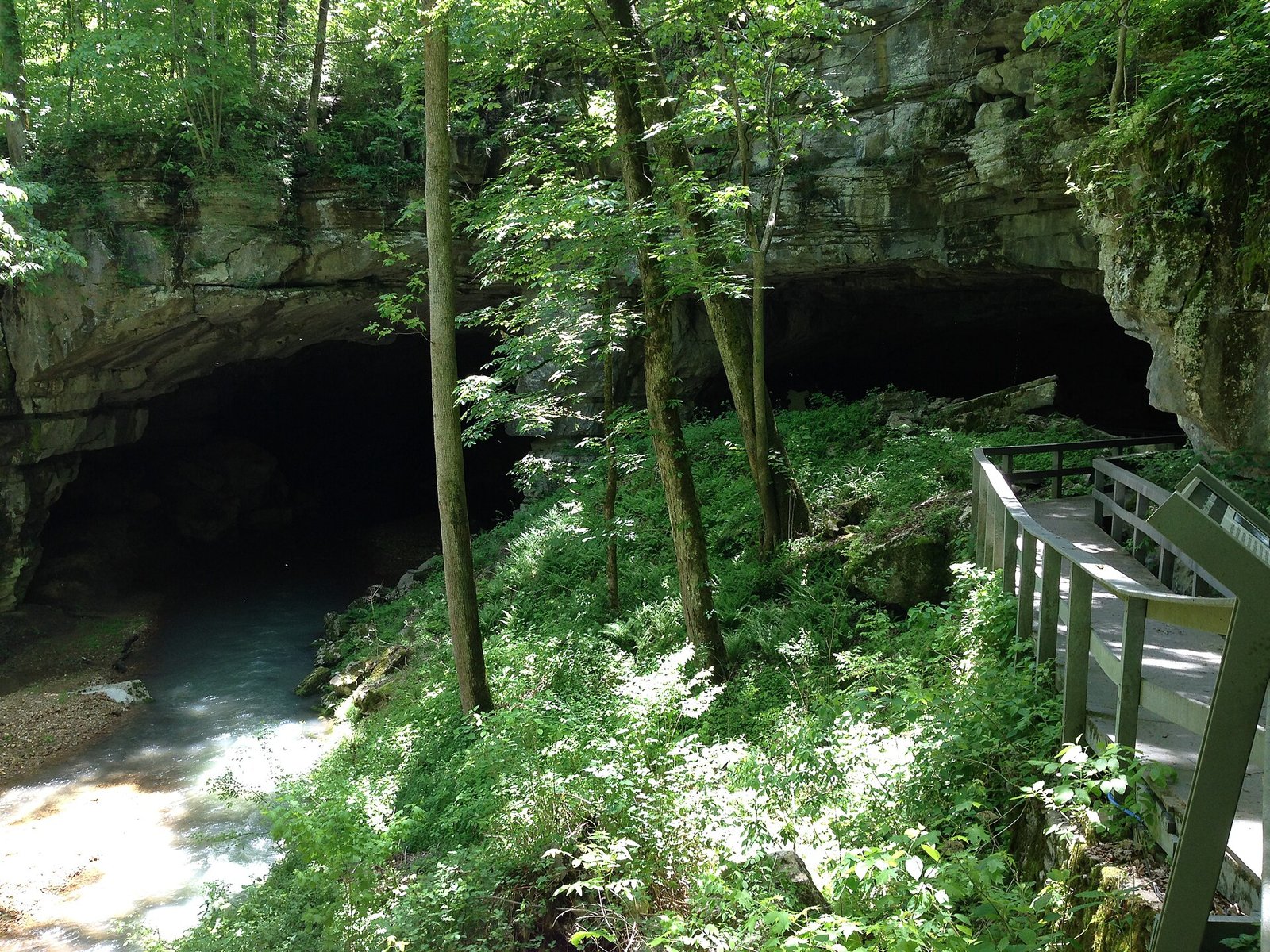
Russell Cave National Monument
Ingen steder oppført ennå
For more than 10,000 years, Russell Cave was home to prehistoric peoples. Russell Cave provides clues to the daily lifeways of early North American inhabitants dating from 6500 BC to 1650 AD.

Seabrook Island
Ingen steder oppført ennå
Seabrook Island, formerly known as Simmons Island, is a barrier island in Charleston County, South Carolina, United States. As of the 2020 census, Seabrook Island had a population of 2,050.

Taos Pueblo
Ingen steder oppført ennå
One of the oldest continually-occupied settlements in the Americas, this UNESCO World Heritage site is located just outside of Taos and has a unique history of its own.

Upcountry South Carolina
Ingen steder oppført ennå
The Upstate, historically known as the Upcountry, is a region of the U.S. state of South Carolina, comprising the northwesternmost area of the state. Although loosely defined among locals, the general definition includes the 10 counties of the commerce-rich I-85 corridor in the northwest corner of South Carolina. This definition coincided with the Greenville-Spartanburg-Anderson, SC Combined Statistical Area, as first defined by the Office of Management and Budget (OMB) in 2015. In 2023, the OMB issued its most updated definition of the CSA that coincides again with the 10-county region.

Upper Missouri River Breaks National Monument
Ingen steder oppført ennå
Called "The Breaks" by locals, it is a series of badland areas characterized by rock outcroppings, steep bluffs and grassy plains along the Missouri River.

Valles Caldera National Preserve
Ingen steder oppført ennå
A huge volcanic caldera in the middle of the Jemez Mountains; today filled with a lush alpine meadow.

Yukon - Charley Rivers National Preserve
Ingen steder oppført ennå
Along the Canadian border in central Alaska
Wooster area
42 steder oppført
Halfway between Columbus and Cleveland, Holmes County is home to the world's largest population of Amish residents, along with famous attractions like Heini's Cheese, Skyview Ranch, the Amish Door and dozens of other historical Amish attractions.
Western Iowa
30 steder oppført
Serves as a popular in-state getaway, for boating, beaching, theme parks and more
Lake Beresford
8 steder oppført
Lake west of DeLand
Helligdager
Nasjonale fridager i USA de neste tolv månedene. Kontorer, banker og mange butikker stenger, og transport og overnatting blir travlere. Regionale helligdager og lokale festivaler er ikke med, og helligdager som følger månen kan flytte seg en dag.
- Thanksgiving Day
- Første juledag · Christmas Day
- Første nyttårsdag · New Year's Day
- Martin Luther King Jr. Day
- Washington's Birthday
- Memorial Day
- Juneteenth (substitute day)
- Juneteenth
- Independence Day
- Independence Day (substitute day)
- Arbeidernes dag · Labor Day
- Columbus Day
- Veterans Day
Datoer fra prosjektet date-holidays, i stor grad basert på Wikipedia (CC BY-SA 3.0). Navnene vises på ditt språk der det finnes en oversettelse. Sjekk lokalt før du planlegger rundt en helligdag.
Å reise i USA
Denne delen er på engelsk, slik den er skrevet på Wikivoyage.
Å komme seg rundt i landet
|250x250px]] The size of the U.S. and the distance separating major cities make air the dominant mode of long-distance travel for short-term travellers. If you have time, or are travelling a short distance, travel by car, bus, or rail can be far more interesting. Long-distance car travel, in particular, is a quintessentially American way to see the country. That said, do not underestimate the size of the country and the time it takes to travel between cities. For comparison, the distance between New York City and San Francisco is greater than that between Lisbon and Moscow.
By plane. The quickest and often the most convenient method of long-distance intercity travel in the U.S. is by plane. Coast-to-coast travel takes about 6 hours from east to west, and 5 hours from west to east (varying due to winds), compared to several days for land transportation. Most large cities in the U.S. are served by one or two airports; many smaller towns also have some passenger air service, although you may need to detour through a major hub airport to get there. Depending on where you are starting, it may be cheaper to travel by bus, train, or car to a nearby large city and fly or, conversely, to fly to a large city near your destination and travel by ground to your destination. The largest airlines are American Airlines, Delta, and United and two of the country's low-cost carriers, Southwest and JetBlue. Southwest is primarily a domestic airline, while the other airlines fly to the U.S.
Penger og kostnader
Money. The U.S. currency is the United States dollar ($), divided into 100 cents (¢). Foreign currencies are almost never accepted, though some major hotel chains may accept traveller's checks in other currencies. Some establishments close to the Canadian and Mexican borders accept their currencies, though usually at poor exchange rates. Japanese yen is sometimes accepted in Hawaii. Some U.S. businesses do not accept cash, while some small businesses accept only cash. Foreign credit or debit cards should be accepted in most places, and you should carry some cash (including several $1 bills) in case your card is not accepted or if you need to leave a cash tip. The dollar is sometimes colloquially known as a buck, so "5 bucks" means $5. Common American banknotes (or bills) are the $1, $5, $10, $20, $50 and $100. The $2 bill is still produced, but rarely seen in circulation and is occasionally refused as payment, especially by vending machines. Some small stores keep only a small amount of cash in the drawer to make change, and as a result, will refuse $50 or $100 bills for small purchases. Most ATMs dispense only $20 bills. All $1 and $2 bills and older bills of the larger denominations are greenish and printed with black and green ink (thus the nickname "greenbacks"). Newer versions of the $5, $10, $20, $50 and $100 bills are slightly more colorful. All the bills are the same size.
Språk
Almost all Americans speak English, and visitors are generally expected to speak and understand English. Popular tourist sites often have signs and information available in other languages. Americans have a long history of immigration and are very accommodating towards foreign accents. Major cities often have groups of foreign language learners who meet up regularly to practice their language skills, and these can be a good way to meet locals if you speak the language in question. Meetup.com is the most popular website listing many of these groups, though other less well-known websites also exist. The differences between American English and the English spoken in other parts of the world are mostly minor, and primarily around minor spelling and pronunciation differences.
Skikker og høflighet
Cultural norms vary significantly from region to region. In general, social etiquette tends to be more formal in the Northeast and the South, more casual on the West Coast, and somewhere between those two extremes in the Midwest.
Social etiquette and breaches. ]]It is polite to firmly shake hands when meeting someone or being introduced, and when concluding a business meeting, though handshaking is often skipped in less formal situations. In casual situations, some people may offer a fist bump, or even a hug. Just follow along; mistakes in those situations are no big deal. Kissing on the cheeks in greeting is rare and usually done only between close friends and family. Americans often identify with the countries of their ancestry, even if several generations of ancestors were born in the U.S. This self-labeling is understood and considered correct in the American context. As an adult, once you're introduced to someone, you can usually call them by their first name. Calling someone by their last name is more formal, and with rare exceptions is always done with "Mr./Mrs./Ms./Miss", or with a professional title with the last name (e.g., "Doctor", "Professor" or "Officer"). Such professional titles can also be used alone without a name. If you don't know someone's name, use "sir/ma'am". If you're still not certain, it's safer to be polite and use last names. Many people will soon respond with "Please, call me [first name]". Or, you can ask someone how they would like to be addressed.
Dress. Dress in the U.S.
Telefon og internett
By phone. ]] The best option is a mobile phone with a U.S.-based carrier or with Voice over IP (VoIP) software and Wi-Fi. Public pay phones are very rare even in major cities, and hotel room telephones impose high fees for even local and toll-free numbers. U.S. merchants and services that use text messaging will typically only be able to send messages to U.S. numbers, and other than those from Canada, may not accept numbers from abroad.
Domestic calls. The country code for the U.S. is +1. The long-distance prefix (trunk code) is also "1", so U.S. telephone numbers are sometimes written as an eleven-digit number: "1-nnn-nnn-nnnn". The rest of the telephone number consists of ten digits: a three-digit area code, and a seven-digit number. The "1" is often omitted when the number is written, and the area code is occasionally omitted as well. There can be many area codes in large cities, and only one or two for the entirety of a less-populated state. The area code does not indicate whether a number is a mobile or a landline; calling mobile phones and landline phones typically costs the same price.
International calls. To dial abroad from the U.S., the international access code is 011. On a mobile phone, "+" will also work.
Sikkerhet
The United States is generally a safe country for tourists, but risks do exist.
Crime. Although headline-grabbing major crimes give the U.S. a reputation for crime, few visitors experience any problems; common-sense precautions and staying alert are generally sufficient to avoid trouble. The U.S. does have a notably higher homicide rate than European countries, but with the highest rates of violent crime connected with gangs and drugs in specific neighborhoods, and with heated disputes; avoid those and you'll likely be fine. Most urban tourist areas are heavily policed and are generally safe from all but petty crimes. Crime in rural America tends to be rare, mainly localized in very poor, troubled communities that are relatively easy to avoid. That said, homelessness, drug abuse, and mental illness are ongoing problems in the United States, often visibly affecting the streets of urban areas, especially pedestrianized zones. Verbal outbursts from such individuals are unfortunately common and can be unsettling. Thankfully, these instances usually remain verbal and do not escalate into physical violence. Nonetheless, it's advisable to heed the locals' example and maintain a cautious distance. Encounters with homeless individuals may also involve aggressive requests for money – if you feel harassed, say "No" or "No, sorry" and walk away. Some remote areas along the Mexican border are unsafe due to the presence of drug smugglers and human traffickers.
Fra Wikivoyage-guiden, skrevet av reisende (CC BY-SA), forkortet. For innreiseregler, visum, helse og dagens sikkerhetssituasjon: sjekk alltid myndighetenes offisielle reiseråd (lenket ovenfor).