

Norge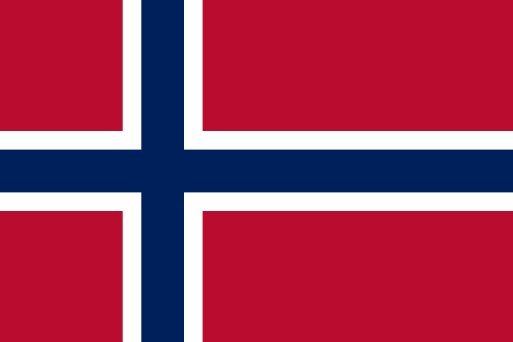
Foto av Ryan Hodnett, CC BY-SA 4.0, via Wikimedia Commons
Översikt
Norge (bokmål: Norge; nynorska: Noreg; nordsamiska: Norga; lulesamiska: Vuodna; sydsamiska: Nöörje), formellt Konungariket Norge, är en konstitutionell monarki i norra Europa, väster om Sverige på Skandinaviska halvön. Förutom mot Sverige har Norge landgräns mot Ryssland och Finland i de nordligaste delarna. De närbelägna öarna Svalbard, Björnön och Jan Mayen är en del av kungadömet, medan Bouvetön i södra Atlanten och Peter I:s ö i södra Stilla havet är underordnade Norge men räknas inte som en del av riket. Norge har även gjort anspråk på Dronning Maud Land på Antarktis. Landsnamnet skrivs Noreg på nynorska, till fornnordiska Norðrvegr, Norvegr, Noregr, "vägen mot norr" (jfr. engelskans "Norway", fornengelska "Norþweg"). Formen "Norge" kommer troligen från den gamla dativformen "Noregi".
Text från Wikipedia, licens CC BY-SA.
Vart ska man åka i Norge


Dolda pärlor
Mindre kända platser som resenärer på Wikivoyage rekommenderar utanför de stora städerna i Norge: byar, nationalparker och lugna hörn. De korta beskrivningarna kommer från de listorna (CC BY-SA).

Sognefjorden
48 platser listade
Glaciers, mountains and picturesque settlements are but a few of the sights on the Sognefjord. Flåm and Nærøyfjorden (also a UNESCO World Heritage site) are parts of the mighty Sognefjorden system.

Hardanger
40 platser listade
Mountain plateau in the municipalities of Samnanger and Kvam.

Vesterålen
29 platser listade
Vesterålen is a district and archipelago in Nordland county, Norway. It is located just north of Lofoten and west of Harstad. It is the northernmost part of Nordland county. Sortland is the largest town, situated near the center of the archipelago. Vesterålen includes the municipalities of Andøy, Bø, Hadsel, Sortland, and Øksnes.

Averøy
26 platser listade
Many people describe Averøy as a "miniature of Norway" as all the landscape typical to Norway is represented here

Helgeland
23 platser listade
Helgeland is the most southerly district in Northern Norway. Generally speaking, Helgeland refers to the part of Nordland county that is located south of the Arctic Circle. It is bordered in the north by the Saltfjellet mountains and Svartisen glacier, which form a natural border with the Salten district. In the south, Helgeland borders Trøndelag county.

Geiranger
19 platser listade
Iconic fjord visited by several hundred cruise ships each summer

Åndalsnes and Romsdal valley
18 platser listade
With Romsdal valley - the most alpine valley between the great fjords and the wide interior

Jostedalsbreen
17 platser listade
The largest glacier on the European mainland.

Aure
16 platser listade
A typical coastal municipality, with many beautiful small islands

Vrådal
16 platser listade
A village with ski centre and other outdoor activities

Gudbrandsdalen
13 platser listade
The great central valley from lowlands at Lillehammer to the highest mountains

Hovden
13 platser listade
Ski centre in Setesdal

Stryn
12 platser listade
Summer ski capital, fine glaciers in next door Olden and Loen

Tysfjord
12 platser listade
Villages scattered along the fjord with steep fell sides

Valldal
11 platser listade
Green valley among alpine mountains, connects Geiranger and Trollstigen/Åndalsnes

Valdres
10 platser listade
Picturesque highlands, lakes and valleys beneath Jotunheimen

Hjørundfjord
9 platser listade
Surrounded by towering, snow-clad alpine summits rising directly from deep fjord. See it by ferry and/or car, or cruise ship.

Hafjell
8 platser listade
Winter sport resort, 1994 Olympic venue

Askøy
7 platser listade
Island and suburb to Bergen

Dovrefjell
7 platser listade
Mountain range and high plateau

Austevoll
6 platser listade
Archipelago south of Bergen

Hardangervidda
6 platser listade
Norway's largest national park on a large highland plateau.
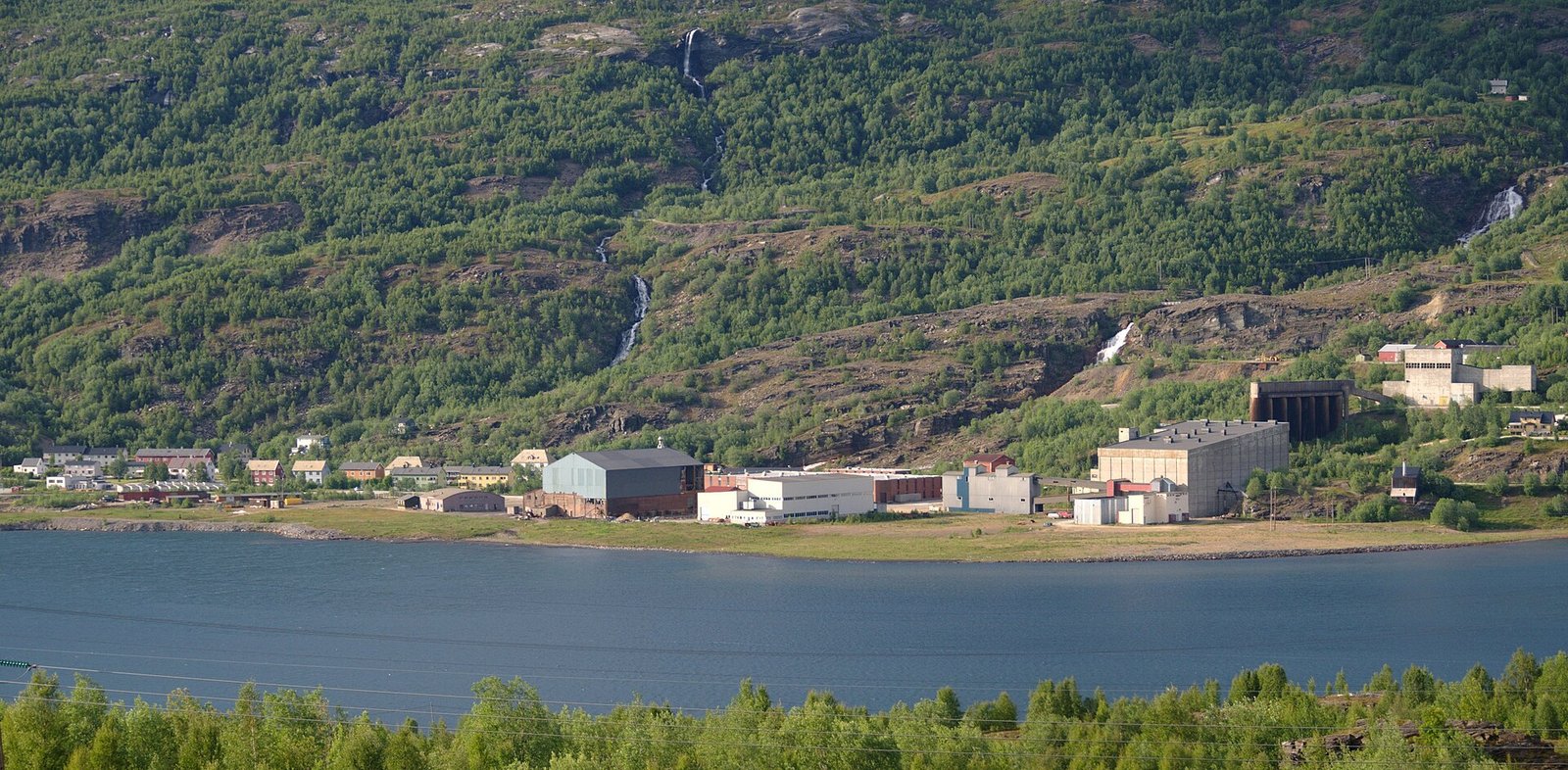
Sulitjelma
6 platser listade
Village and former mining town in the fells, trailhead for hiking, skiing and glacier treks.

Nordseter
5 platser listade
Outdoor resort in hills above Lillehammer

Etne
4 platser listade
Etne is a municipality in Vestland county, Norway. It is located in the traditional district of Sunnhordland, although it is also sometimes considered to be part of the district of Haugaland. The administrative centre of the municipality is the village of Etnesjøen. Other villages in the municipality include Skånevik and Fjæra. Etne Municipality is situated south of the city of Bergen, along the border with Rogaland county.

Jotunheimen
4 platser listade
A majestic landscape and home of Norway's highest mountains.

Sunndal
4 platser listade
Great valley stretching from the fjord to uplands at Oppdal, surrounded by alpine mountains and countless waterfalls

Hallingdal
3 platser listade
A major valley from fertile lowlands at Drammen into Hardangervidda

Haukeli
3 platser listade
Mountain village in the east of Vinje municipality; ski destination during winter

Kvitfjell
3 platser listade
Downhill slopes, 1994 Olympic venue

Lyngen
3 platser listade
Lyngen is a municipality in Troms county, Norway. The administrative centre of the municipality is the village of Lyngseidet. Other notable villages include Furuflaten, Lattervika, Nord-Lenangen, and Svensby.

Os
3 platser listade
Os is a former municipality in the old Hordaland county, Norway. The 139.58-square-kilometre (53.89 sq mi) municipality existed from 1838 until its dissolution in 2020. The area is now part of Bjørnafjorden Municipality in the traditional district of Midhordland in Vestland county, just south of Norway's second-largest city, Bergen. The administrative centre was the village of Osøyro. Other villages in the municipality included Hagavik, Haljem, Syfteland, Søre Øyane, and Søvik.

Fedje
2 platser listade
Fedje is an island municipality in the Nordhordland region of Vestland county, Norway. The municipality is located in the traditional district of Nordhordland. The administrative centre of the municipality is the village of Fedje. The main economic activity of the inhabitants for a long time has been fishing. The municipality consists of the main island of Fedje which is also surrounded by about 125 smaller islands and rocks mostly north of the main island. The name Fedje applies both to the main island, the main village, and to all the islands and rocks as a whole municipality.

Karlsøy
2 platser listade
Archipelago municipality

Lindesnes
2 platser listade
Including the main town of - Norway's oldest lighthouse with a museum on the southern tip (South Cape) of the country.

Marker
2 platser listade
Municipality including border village Ørje with a downtown beach, popular bakery and a channel lock cafe

Oppdal
2 platser listade
Regional centre and ski resort in the interior uplands.

Pyramiden
2 platser listade
Abandoned Russian settlement, now a tourist cruise destination with a solitary hotel

Varangerhalvøya National Park
2 platser listade
Varangerhalvøya National Park lies on the Varanger Peninsula in Finnmark county, Norway. It is located in the municipalities of Båtsfjord, Nesseby, Vadsø, and Vardø, in the northeasternmost part of Norway. The peninsula was earlier the largest area within the Arctic climate zone in mainland Norway, but with the 1991-2020 normals, much of the area is now considered to be a boreal climate rather than arctic. Much of the area is still alpine tundra.

Aremark
1 plats listad
Forest district with canoeing, fishing, elks and the scenic border lake Stora Lee

Forlandet National Park
1 plats listad
A large bird sanctuary

Rauland
1 plats listad
Mountain village in Vinje municipality, ski lifts and slopes.

Rondane National Park
1 plats listad
Mountain range and Norway's first national park

Junkerdal National Park
Inga platser listade än
Known for its rich biodiversity and alpine landscapes

Reisa National Park
Inga platser listade än
The Reisa canyon like river valley and its surroundings, accessible from Storslett or by the Nordkalottleden trail. Saraelv is a small settlement close to the park, which can be used as gateway.

Saltfjellet-Svartisen National Park
Inga platser listade än
Features diverse landscapes ranging from coastal regions to alpine plateaux, birch-covered valleys, and tundra, with Scandinavia's second-largest glacier

Senja
Inga platser listade än
Senja (Norwegian) or Sážžá (Northern Sami) is an island in Senja Municipality in Troms county, Norway in northern Europe. With an area of 1,586.3 square kilometres (612.5 sq mi), it is the second largest island in Norway. It has a wild, mountainous outer (western) side facing the Atlantic, and a mild and lush inner (eastern) side. The island is located entirely within Senja Municipality, which was established on 1 January 2020. The island of Senja had 7,864 inhabitants as of 1 January 2017. Most of the residents live along the eastern coast of the island, with Silsand being the largest urban area on the island. The fishing village of Gryllefjord on the west coast has a summer-only ferry connection to the nearby island of Andøya: the Andenes–Gryllefjord Ferry.

Trysil
Inga platser listade än
Norway's largest ski resort
Sør-Spitsbergen National Park
6 platser listade
Norway's largest national park
Indre Wijdefjorden National Park
1 plats listad
Protects the inner part of Wijdefjorden, Svalbard's longest fjord
Helgdagar
Nationella lediga dagar i Norge de kommande tolv månaderna. Kontor, banker och många butiker stänger, och transporter och boenden blir fullare. Regionala helgdagar och lokala fester ingår inte, och helgdagar som följer månen kan flyttas en dag.
- juldagen · Første juledag
- annandag jul · Andre juledag
- nyårsdagen · Første nyttårsdag
- skärtorsdagen · Skjærtorsdag
- långfredagen · Langfredag
- påskdagen · Første påskedag
- annandag påsk · Andre påskedag
- första maj · Arbeidernes dag
- Kristi himmelsfärdsdag · Kristi himmelfartsdag
- pingstdagen · Første pinsedag
- Constitution Day · Grunnlovsdagen
- annandag pingst · Andre pinsedag
Datum från projektet date-holidays, till stor del baserat på Wikipedia (CC BY-SA 3.0). Namnen visas på ditt språk där det finns en översättning. Kontrollera på plats innan du planerar runt en helgdag.
Att resa i Norge
Den här delen är på engelska, så som den skrivits på Wikivoyage.
Att ta sig runt i landet
Norway is a large country with some very difficult terrain so getting around, particularly up north, is expensive and time-consuming. Because of difficult terrain in large parts of the country, navigation is largely related to landscape features such as valleys, lakes, fjords and islands rather than to towns. Norway is sparsely populated compared to continental Europe; visitors should not expect that every name on the map is served by frequent public transport or offers commercial services such as taxi, cafés and hotels – it may not be a town or settlement at all. The best way to see the Norwegian wilderness and countryside is by having access to your own vehicle. This way you can stop wherever you want, admire the view and venture onto smaller roads. Hiking and cycling allow you to experience more of the landscape as you pass through it and as parking spaces in popular nature spots are deliberately kept sparse, in many places it may be better not to be tied to a car. Long distance train travel is done with Vy, SJ Nord or GoAhead Nordic. A number of long-distance bus companies also operate. Each region in Norway has its own local public transportation company. For public transportation (trains, buses and ferries), use the online travel planner Entur. Vy app helps to find bus, train and taxi rides and to book tickets for them. Many municipal travel apps are based on Entur, which allow payments by VISA, Mastercard, Amex and some other cards, and by the Norwegian Vipps app,
Pengar och kostnader
Money. Norwegian currency is the Norwegian krone (crown, plural: kroner) (ISO code: NOK), sometimes abbreviated kr or kr., but often just the amount is shown on price tags. A 1/100th krone is called øre. Be careful when crossing borders to differentiate the Norwegian krone (NOK) from the Swedish (SEK) and Danish (DKK) ones. Euros are generally not accepted in shops, except in some airports, international transport (flights, ferries), and a small number of business targeting tourists. Coins come in denominations of 1, 5, 10, and 20 kr. Paper notes come in denominations of 50, 100, 200, 500, and 1,000 kr. While price tags still include øre, for instance 9.99 kr, there are no coins smaller than 1 kroner so prices are rounded.
Banking. Virtually all stores accept major credit cards such as MasterCard and Visa. Norway might well be one of the most card-centred countries in the world, and you may encounter businesses where cash isn't accepted. Card payments in ordinary shops are usually done by debit cards where the transaction is completed at once through a unified, national system. Small transactions can usually be done without the use of a PIN code, and tap-to-pay or contactless support is widespread. It is possible that you can spend days in Norway without needing physical cash; after the COVID-19 pandemic, the use of cash has dropped to almost zero. ATMs in Norway are called Minibank.
Money exchange. The most visible foreign exchange outlet is the aptly-named FOREX.
Costs. Norway is an expensive country for visitors.
Språk
There is no standard spoken Norwegian (norsk) – a wide range of dialects is used even in public broadcasting. Differences among dialects are much more than accents and slight differences in pronunciation; some dialects are almost like different languages, and these differences have 1000 year old roots. In the middle ages, Norse (old Norwegian) was spoken in Norway, Iceland and parts of the British Isles. In Iceland, the Old Norse is largely retained, while Norwegian has changed substantially, heavily influenced by Danish and Low German. Foreign visitors may note the marked difference in melody: In western Norway pitch is high to low, whereas in eastern Norway pitch is low to high.
Seder och bruk
Norwegians are generally open-minded and tolerant and there are few, if any, dos and don'ts that foreign visitors need to keep in mind. If anything, it is important to keep in mind that Norway is perhaps the most egalitarian country in the world. Behaving in a way that suggests either party is inferior or superior is considered exceptionally rude, and the flaunting of wealth or rank (if any) is frowned upon. Waiters and other service personnel expect that customers will treat them as equals. Most Norwegians will handle misunderstandings or possibly offensive comments in a friendly manner and almost all will respond well to compliments paid to the country in general. Many Norwegian people can however be mistaken as somewhat rude and unwelcoming, because they can be very direct and that small talk is generally avoided. This is just a matter of culture; making contact with strangers, such as talking with fellow passengers on the bus, is uncommon. This does not apply to train journeys, or outside the bigger cities where small talk will be made on the basis of curiosity. During hikes in remote wilderness, talking to strangers on the same trail is customary. Swearing is relatively common and accepted in many parts of the country. Profanities appear regularly in public broadcasting and are not censored. Foreign visitors may recognize some bad words from English or other languages. Some bad Norwegian words sound very similar to English words.
Telefon och internet
The international dialling prefix is 00 like in the EU. On mobile phones, you can use "+" instead. Norway's country code is 47 (so Norwegian numbers can be dialled as +47 xx-xx-xx-xx). Since 2020, there are no area codes; the leading "0" in some numbers should not be dropped when dialling from abroad. Mobile phone coverage is universal in urban areas and generally also good in rural Norway, though on occasion some rural valley areas might be badly covered. Even in the most remote mountain cabins, as long as they are staffed, you will usually be able to send a postcard.
Internet. Most Norwegian households are connected to the Internet in some way (often broadband), making cybercafés hard to find outside major cities, due to relatively low demand. Most public libraries have free public access to the internet, but a limited number of computers and limited opening hours. If you bring a laptop with a wireless connection you will find wireless internet zones just about everywhere (gas stations, grocery stores, city centres, cafés, shopping centres, hotels, etc.) Be prepared to pay for it though. It is not unusual for hotels to have a terminal for guest use.
Säkerhet
Norway has a very low rate of violent crime. The most likely crimes for tourists to experience are car break-ins and bicycle theft. Pickpockets do also tend to be an increasing problem in urban areas in the summer season, but it's still nothing like in larger cities in Europe. It is always a good idea to look after your belongings, this includes never leaving valuable objects visible in your car and locking your bike safely. It is generally illegal to carry knives and firearms in public places such as on the street. Solo female travellers should have no problems, although ordinary street sense is advised after dark. During summer there is full daylight until late evening, even in South Norway. Norway is one of the countries in the world with the lowest levels of corruption. Police and other authorities cannot be bribed, travellers are strongly advised against attempting in any form of bribery. Norway has a unified police force ("politi"). The police force is the government authority in areas like crime, national security, major accidents, missing persons, traffic control, passports and immigration control. Police officers usually do not carry guns and during a year the police (the entire police force) use guns only a handful of times. Most cities have municipal parking attendants, too, but the attendants do not have any authority beyond fining and removing vehicles.
Outdoor safety. The most unusual dangers to visitors are found in nature.
Wild animals. Norway has few dangerous wild animals.
Från Wikivoyages guide, skriven av resenärer (CC BY-SA), förkortad. För inreseregler, visum, hälsa och aktuell säkerhet: läs alltid din regerings officiella reseråd (länkade ovan).