

Saudiarabien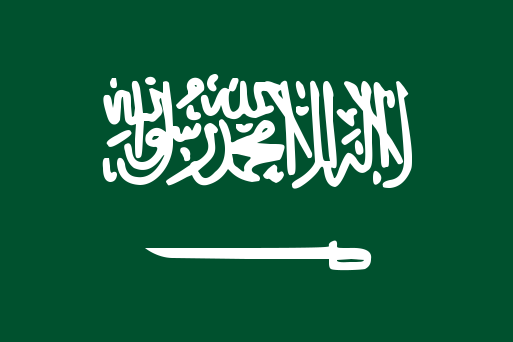
Foto av B.alotaby, CC BY-SA 4.0, via Wikimedia Commons
Översikt
Saudiarabien (kortform på arabiska: السَّعُودِيَّة, al-Saudiyya, eller السُّعُودِيَّة, al-Suudiyya), formellt Kungariket Saudiarabien (المملكة العربيّة السّعوديّة, al-Mamlaka al-Arabiyya al-Saudiyya), är ett kungarike grundat 1932, beläget på Arabiska halvön i sydvästra Asien. Landet gränsar till Jordanien, Irak, Kuwait, Persiska viken, Bahrain, Qatar, Förenade arabemiraten, Oman, Jemen och Röda havet. Det är den till ytan största staten i Mellanöstern. Dess huvudstad är Riyadh. Islam uppstod i det inre av den Arabiska halvön, och dess två heligaste platser, Kaba i Mecka och profeten Muhammeds grav i Medina, ligger i nuvarande Saudiarabien. Islam är statsreligion. Det stora flertalet bekänner sig till en strikt, sunnimuslimsk tolkning av islam som kallas wahhabism. Styrelseskicket är baserat på absolut monarki.
Text från Wikipedia, licens CC BY-SA.
Vart ska man åka i Saudiarabien


Dolda pärlor
Mindre kända platser som resenärer på Wikivoyage rekommenderar utanför de stora städerna i Saudiarabien: byar, nationalparker och lugna hörn. De korta beskrivningarna kommer från de listorna (CC BY-SA).

Hegra
9 platser listade
Ruined Nabataean city similar to Petra, a

Red Sea Project
4 platser listade
Luxury resorts on Red Sea islands, very far from anywhere

Khaybar
3 platser listade
Ruins of a former Jewish oasis town that was the site of a major battle in 628 CE.

Diriyah
2 platser listade
Extensively restored ancestral home of the Saud dynasty on the outskirts of Riyadh, now a
Neom
5 platser listade
And — Grandiose megaprojects on the Red Sea coast that aim to put Saudi Arabia on the tourism map
Al-Aflaj
4 platser listade
Al-Aflaj, is a governorate in Riyadh Province, Saudi Arabia. Its seat is the city of Layla, named after Layla al-Amiriyah, lover of the renowned poet Qays ibn al-Mulawwah. The governorate is the home of Qays and Layla and is associated with their love story that inspired the famous Arabic romance of Layla and Majnun.
Helgdagar
Nationella lediga dagar i Saudiarabien de kommande tolv månaderna. Kontor, banker och många butiker stänger, och transporter och boenden blir fullare. Regionala helgdagar och lokala fester ingår inte, och helgdagar som följer månen kan flyttas en dag.
- Founding Day · يوم التأسيس
- End of Ramadan (Eid al-Fitr) · عيد الفطر
- Feast of the Sacrifice (Eid al-Adha) · عيد الأضحى
- National Day · اليوم الوطني
Datum från projektet date-holidays, till stor del baserat på Wikipedia (CC BY-SA 3.0). Namnen visas på ditt språk där det finns en översättning. Kontrollera på plats innan du planerar runt en helgdag.
Att resa i Saudiarabien
Den här delen är på engelska, så som den skrivits på Wikivoyage.
Att ta sig runt i landet
festival — no longer a viable means of long-distance transport]] Internal travel permits are a thing of the past, so once you've gotten into Saudi Arabia, most of the country is your oyster. There are, however, some exceptions: The area around Mecca is off limits to non-Muslims; the exclusion zone is well signposted The city center of Medina used to be off-limits to non-Muslims, but the rules were relaxed in 2021; outside of Hajj season, non-Muslims may now enter the city center of Medina up to the perimeter fence around the Prophet's Mosque and take photos from the outside, though entry into the mosque compound is still forbidden. Those on Hajj visas are prohibited from leaving the area around Mecca and Medina (and transit points like Jeddah). Some remote areas, notably around the Iraqi and Yemeni borders, are restricted military zones. You're exceedingly unlikely to stumble into them by accident.
By plane. Saudi Arabia is a large country, which makes flying the only main means of long-distance travel (although trains are starting to offer serious competition on some routes). Flag carrier Saudia has the best schedules, with near-hourly flights on the busy Riyadh-Jeddah sector (90 min) and walk-up one-way fares costing a reasonable. Low-cost competitors Flynas and Flyadeal can be even cheaper if you book in advance, but their schedules are sparser, changes will cost you money and there's no meal on board.
Pengar och kostnader
Money. The Saudi currency is the Saudi riyal, denoted by the symbol "ريال" or "SR" (ISO code: SAR). It is fixed at 3.75 riyals to the US dollar. The riyal is divided into 100 halalas, which are used to mark some prices, but, in practice, all payments are rounded to the nearest riyal and odds are you probably will never see any halala coins. Bills come in values of 1, 5, 10, 20, 50, 100, 200, and 500 riyals, with two different series in circulation. Coins come in denominations of 1, 5, 10, 25 and 50 halalas, 1 and 2 riyals. The riyal is effectively also pegged to the Bahraini dinar at a 10:1 ratio. If you are considering travelling to Bahrain, virtually all businesses in Bahrain will accept riyals, but the dinar is not as easily convertible in Saudi Arabia. Visitors bringing in more than or its equivalent must fill out a declaration form. Saudi Arabia is still largely a cash society. Larger businesses will accept all cards, however most smaller businesses accept debit and credit cards but some will refuse if the amount is small. ATMs are ubiquitous, although those of many smaller banks do not accept foreign cards; Samba, SABB and ANB are probably your best bets. Money changers can be found in souks but are rare elsewhere. Foreign currencies are generally not accepted by merchants.
Costs. Prices are generally fairly high: figure on US$50/100/200 for budget, midrange and splurge-level daily travel costs.
What to buy. Few local products are of interest to tourists.
Språk
The official language of Saudi Arabia is Arabic. Najdi Arabic is the most widely known vernacular and it is spoken in the central and northern parts of the country. Hejazi Arabic is spoken in the western part of the country. Gulf Arabic is spoken in the eastern part of the country. All Saudi people learn Modern Standard Arabic at school, so you should have no problems communicating in any of the major cities. Many Saudis, especially in cities, understand and speak English. Many road signs are in English and Arabic. Saudi Arabia has one of the largest migrant populations in the world; you can find a speaker of almost any language in the world in Saudi Arabia. The most commonly spoken languages by migrants, in no particular order, are Urdu, Bengali, Hindi, Tagalog, Malayalam, and Indonesian.
Seder och bruk
Saudis, North Africans, and other Middle Eastern Arabs share a common culture; therefore, what is considered good manners in the Arab world is applicable to Saudi Arabia. The best way to stay out of trouble is to respect local conventions. Should you accidentally cause offense, don't panic, because you are not expected to know every cultural nuance. With a modicum of common sense and respect, you will be fine. If you don't know about something, just ask. People will be more than happy to explain. As aforementioned, if you're not prepared to accept strict limitations on your behaviour and movement, you should not travel to Saudi Arabia.
Law and morality. The really important rules to beware of are enshrined in written Saudi law, with offenders subject to the full strength of the infamous Saudi penal system. In addition to obvious crimes like murder (punishable by beheading) and theft (amputation of the hand for repeat offenders), acts considered serious crimes include apostasy, adultery, homosexual activity and possession of alcohol or drugs. In practice, though, most visitors will be primarily concerned with the code of morality, involving things like not observing fasting times in public places during Ramadan, etc. These rules are enforced by the police now, instead of the infamous muttawa (pl. mutawain), the volunteers from the Committee for the Propagation of Virtue and the Prevention of Vice.
Telefon och internet
By phone. The four mobile operators in Saudi Arabia, incumbent Al Jawal, Emirati rival Mobily, Kuwaiti Zain (Vodafone Network) and STC newcomer Jawwy are fiercely competitive, with good coverage (in populated areas) and good prices. A starter pack with prepaid SIM and talktime starts from about SR75, and you can sign up in most any larger mobile shop (bring your passport). Local calls are under SR0.5/minute, while calls overseas are around or less than SR2/min.
By net. The internet is widely used by Saudis. Google, WhatsApp, Wikipedia, and all major webmail providers and social media platforms are accessible in the country. 30% of the Middle East's Twitter (now known as X) users are from Saudi Arabia. WhatsApp video calls were unblocked in February 2025 after six years of being forbidden. Although that sounds impressive, the Saudi authorities regularly monitor websites, blogs, chat rooms, social media sites, emails, and text messages. It's strongly recommended to eschew from saying anything negative about the country or portraying the country in a negative light during your stay.
By mail. Saudi Post has a good network of post offices around the country, but offices are closed Thursday and Friday.
Säkerhet
Saudi Arabia is a safe country crime-wise; the country has one of the lowest crime rates in the world and you are unlikely to encounter problems. At first, being in a fundamentalist Muslim country with very strict laws may feel scary and intimidating. As a tourist, you're not expected to know every law and rule in Saudi Arabia. So long as you respect local customs, you should be able to cope. Although first-time visitors may be regaled with tales of beheadings and amputations, the full harshness of Saudi law is usually reserved for those actually seeking trouble. For rules on clothing and mingling between sexes, see Respect below. Indecent clothing and mingling between unrelated men and women are criminal offences. Saudi Arabia may be affected during times of heightened tensions in the Middle East (Israel, Iran, Lebanon), and there is often a heightened risk when travelling to or being within Saudi Arabia, during times of crisis. It is important to keep up to date with the latest news and updates from local authorities. Take shelter or remain indoors when told to. Terrorist attacks have been considered very likely on Saudi Arabia by many countries.
Driving. The biggest danger a visitor to Saudi Arabia faces is dangerous driving. Traffic laws and guidelines are lax and are rarely followed by the majority of Saudis.
Drugs. The death penalty is statutory for those convicted of trafficking, manufacturing, possessing, importing or exporting drugs. This will be mentioned on your entry card.
Från Wikivoyages guide, skriven av resenärer (CC BY-SA), förkortad. För inreseregler, visum, hälsa och aktuell säkerhet: läs alltid din regerings officiella reseråd (länkade ovan).