

Iran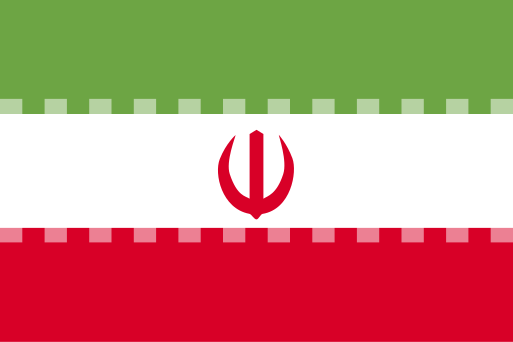
Foto av Ninara from Helsinki, Finland, CC BY-SA 3.0, via Wikimedia Commons
Översikt
Iran (persiska: ایران, Irān, 'ir-ān', ”ariernas rike”;), formellt Islamiska republiken Iran, historiskt känt som Persien (exonym före 1935), är en enhetlig islamisk republik i västra Asien. Landets statschefen (den högste ledaren) skall vara en religiös ledare. Statsreligionen är shiitisk islam som utgör grunden för lagstiftningen och de religiösa domstolarna. Det politiska systemet är baserat på 1979 års konstitution. Presidenten väljs i allmänna val men är underställd den högste ledaren. Nuvarande högste ledare är Mojtaba Khamenei sedan år 2026. Den iranska högplatån och angränsande områden är hemorten för en av världens äldsta kontinuerliga civilisationer. Det kulturellt och historiskt definierade Stor-Iran är ett mycket större område än dagens Iran, omfattar flera olika spåk och etniciteter och har tidvis haft sitt politiska och kuturella centrum betydligt mera österut.
Text från Wikipedia, licens CC BY-SA.
Vart ska man åka i Iran


Dolda pärlor
Mindre kända platser som resenärer på Wikivoyage rekommenderar utanför de stora städerna i Iran: byar, nationalparker och lugna hörn. De korta beskrivningarna kommer från de listorna (CC BY-SA).

Kish Island
39 platser listade
A free trade zone in the Persian Gulf, it is regarded as a consumer's 'paradise', with numerous malls, shopping centres, tourist attractions, and resort hotels. There is also Iran's first marina on the east side of the island.

Qeshm
16 platser listade
Iran's largest and the Persian Gulf's largest island. Qeshm island is famous for its wide range of ecotourist attractions such as the Hara marine forests. According to environmentalists, about 1.5% of the world birds and 25% of Iran's native birds annually migrate to Hara forests which is the first national geo park.

Hormuz
11 platser listade
Colorful island, a duty-free zone

Shush
6 platser listade
200 km north of Ahvaz, was Iran's most ancient city. The Ziggurat of Chughazanbil, Darius the Great's palace, the Jewish prophet Daniel's temple and Artaxerxes II's palace are among the historical sites.

Dizin
2 platser listade
One of the highest ski resorts in the world, two hours north of Tehran. Great powder snow, cheap prices and few international visitors makes this a great place for a ski holiday.

Kandovan
1 plats listad
A small village with houses carved in the rocks like in Cappadocia, Turkey

Margoon Waterfall
Inga platser listade än
Considered the largest waterfall in all of Iran, it plunges more than 70 meters down into a small valley in the Zagros Mountains.
Helgdagar
Nationella lediga dagar i Iran de kommande tolv månaderna. Kontor, banker och många butiker stänger, och transporter och boenden blir fullare. Regionala helgdagar och lokala fester ingår inte, och helgdagar som följer månen kan flyttas en dag.
- Birthday of Imam Ali · وﻻدت ﺣﻀﺮت اﻣﺎم ﻋﻠﯽ ﻋﻠﯿﻪ اﻟﺴﻼم
- Mabaas of Muhammad · ﻣﺒﻌﺚ ﺣﻀﺮت رﺳﻮل اﮐﺮم ﺻﻠﯽ اﷲ ﻋﻠﯿﻪ و آﻟﻪ
- Birthday of Imam Mahdi · وﻻدت ﺣﻀﺮت ﻗﺎﺋﻢ ﻋﺠﻞاﷲ ﺗﻌﺎﻟﯽ ﻓﺮﺟﻪ شریف
- Anniversary of Islamic Revolution · انقلاب اسلامی پنجاه و هفت
- Martyrdom of Imam Ali · ﺷﻬﺎدت ﺣﻀﺮت ﻋﻠﯽ ﻋﻠﯿﻪاﻟﺴﻼم
- End of Ramadan (Eid al-Fitr) · ﻋﯿﺪ ﺳﻌﯿﺪ ﻓﻄﺮ
- Holyday for Fetr Eeid · ﺑﻪ ﻣﻨﺎﺳﺒﺖ ﻋﯿﺪ ﺳﻌﯿﺪ ﻓﻄﺮ
- Nationalization of the Iranian oil industry · ملی شدن صنعت نفت
- Nowruz · نوروز
- Nowruz · نوروز
- Nowruz · نوروز
- Nowruz · نوروز
- Islamic Republic Day · روز جمهوری اسلامی
- Martyrdom of Imam Jafar · ﺷﻬﺎدت ﺣﻀﺮت اﻣﺎم ﺟﻌﻔﺮ ﺻﺎدق ﻋﻠﯿﻪاﻟﺴﻼم
- Sizdah Bedar · سیزده بدر
- Feast of the Sacrifice (Eid al-Adha) · ﻋﯿﺪ ﺳﻌﯿﺪ ﻗﺮﺑﺎن
- Eid al-Ghadeer · ﻋﯿﺪ ﺳﻌﯿﺪ ﻏﺪﯾﺮ ﺧﻢ
- Imam Khomeini's Demise · رﺣﻠﺖ اﻣﺎم ﺧﻤﯿﻨﯽ
- Revolt of Khordad 15 · قیام ۱۵ خرداد
- Tasoua · ﺗﺎﺳﻮﻋﺎی ﺣﺴﯿﻨﯽ
- Ashoura · ﻋﺎﺷﻮرای ﺣﺴﯿﻨﯽ
- Arbaeen-e Hosseini · اربعین حسینی
- Demise of Prophet Muhammad and Imam Hassan (Mujtaba) · رﺣﻠﺖ ﺣﻀﺮت رﺳﻮل اﮐﺮم صلّی الله علیه وآله و سلّم
- Martyrdom of Imam Reza · ﺷﻬﺎدت ﺣﻀﺮت اﻣﺎم رﺿﺎ ﻋﻠﯿﻪاﻟﺴﻼم
- Martyrdom of Imam Hassan · شهادت امام حسن عسكری علیهالسلام
- Birthday of Muhammad Prophet · ولادت حضرت رسول اکرم صلّی الله علیه وآله و سلّم
- Martyrdom of Fatima-Zahara · ﺷﻬﺎدت ﺣﻀﺮت ﻓﺎﻃﻤﻪ زﻫﺮا ﺳﻼم اﷲ ﻋﻠﯿﻬﺎ
Datum från projektet date-holidays, till stor del baserat på Wikipedia (CC BY-SA 3.0). Namnen visas på ditt språk där det finns en översättning. Kontrollera på plats innan du planerar runt en helgdag.
Att resa i Iran
Den här delen är på engelska, så som den skrivits på Wikivoyage.
Att ta sig runt i landet
Iranian transport is of high quality, and is very affordable. There are few places the very cheap buses don't travel to, the train network is limited but comfortable and reasonably priced and travel by air is not expensive. The ticket prices are always fixed and you don't have benefits of early bookings. However, train stations and bus terminals are often located on the outskirts of their cities. As an extreme example, Shiraz Station is located farther away from the city center than Shiraz International Airport. Since city transport is notably underdeveloped, the cost of an intercity trip could mostly consist of taxi fares.
By plane. For anyone on a tight deadline, affordable domestic air services are a blessing. The major national carrier Iran Air, and its semi-private competitors such as Iran Aseman Airlines - Aseman meaning "sky" in Persian, Mahan Air and Kish Air link Tehran with most regional capitals and offer inter-regional flights for no more than US$60. Their services are frequent, reliable and are definitely worth considering to skip the large distances within Iran. Planes may be old as American sanctions have restricted the airlines' ability to renew fleets, and maintenance and safety procedures are sometimes well below western standards, but flying remains the safest way to get around Iran, given the huge death toll on the roads. Tickets can be bought at airports or travel agents dotted through the most major cities.
Pengar och kostnader
Money. The rial, denoted by the symbol "﷼", "IR" or "R" (ISO code: IRR) is the currency of Iran. Wikivoyage articles will use rials to denote the currency. In Iran, prices may be shown in toman (تومان), where 1 toman = 10 rials. Coins, which are rarely if ever used, are issued in values of 50-, 100-, 250-, 500-, 1,000-, 2,000, and 5,000 rials. Banknotes are produced in denominations of 500-, 1,000-, 2,000-, 5,000-, 10,000-, 20,000-, 50,000, and 100,000 rials and banknotes called "Iran Cheques" are produced in denominations of 500,000-, 1,000,000-, 2,000,000-, 5,000,000 and 10,000,000 rials. The current series of banknotes of the Iranian rial are dual denominated in rials and in tomans (1-, 2-, 5-, 10-, 50-, 100-, 200-, 500 and 1,000 tomans). Be sure to understand the risks of black market trading if you decide to exchange money this way. In March 2019, the exchange offices at Tehran Airport first floor (departures) were offering the best rates in that city. Due to western sanctions against Iran, Western credit and debit cards do not work in Iran. Using a foreign debit or credit card or checking your account online can get the card or account blocked.
Banks. All banks were nationalized after the revolution. However, during the past decade, the following private (non-governmental) banks have been founded, which usually provide better service: Mellat Parsian Saman Eghtesad Novin Pasargad Banks are generally open Sa Su M–W 07:30–13:30, and Th 07:30–12:00.
Språk
See also: Persian phrasebook Persian (called fārsi in Persian, فارسی), an Indo-European language, is Iran's national and official language. Although Persian is written with a modified Arabic alphabet, the two languages are not related; however, Persian does contain a very large number of Arabic loanwords (that may differ in meaning), many of which are part of basic Persian vocabulary (see section on "Iranian nationality" under "Respect" ). Many young Iranians in major cities, and almost certainly those working at international travel agencies and high-end hotels will know conversational English, but for the tourist knowing basic Persian phrases will definitely be useful, particularly in rural areas. Road signs are often double signed in English, but few other signs are.
Seder och bruk
While you may have heard a lot of negative stories about Iran in the media, Iranians are warm, friendly and generous individuals with a strong interest in foreigners and other cultures. Iranian culture, like most other Islamic cultures, has a strong tradition of hospitality. Guests are often treated extremely well. On the other hand, there is some insularity; any foreigner may be regarded with suspicion. In Persian for Mr, Ms they say “Aghaye [name], Khanoome [name]” and out of respect they use plural verbs and pronouns. They often greet by raising hand to shake or/and give a hug which is a common Middle Eastern tradition. And they will tell you: Kheili Khosh Amadid. (Welcome! for greeting.) But if you are a man, do not attempt to shake hands with a woman unless she voluntarily raises her hand. When you greet someone sitting, they will stand up.
Dress. Perhaps the most visible mark of Iran's Islamic leanings is the conservative dress expected of its citizens. Although normal Western-style clothing is acceptable in private homes, when in public women are expected to cover everything but their face, hands and feet. More tolerance tends to be shown towards foreigners over the detail of the dress code than towards Iranian women. In the more affluent neighbourhoods of Tehran, you will often see local women walking around with their hair uncovered, but this is not without risk; enforcement comes and goes in waves.
Telefon och internet
Landline phone. An Iranian phone number is of the form +98-XXX-XXX-XXXX where "98" is the country code for Iran, the next 3 digits (or 2 in the case of Tehran and some big cities) is the area code and the remaining 7 digits (eight in the case of Tehran and some big cities) are the "local" part of the subscriber number that can be called from within that particular code area using abbreviated dialing. From other areas within Iran You will need to dial "0" in front of the area code. Mobile numbers in Iran must always be dialed with all 11 digits (including a "0" prefixing the "9nn" within Iran), no matter where they are being called from. The 9nn is a mobile prefix, not an "area code"; the second and third digits denote the original mobile network assigned. These are the area codes for major cities: Tehran (021) - Kashan (0361) - Isfahan (031) - Ahwaz (061) - Shiraz (071) - Tabriz (041) - Mashad (051) - Kerman (034) - Gorgan (0171) - Na'in (0323) - Hamadan (081) - Kermanshah (083) - Sari (011) When making international calls from Iran, the prefix to be dialled prior to country code is 00.
Säkerhet
Iran is still a relatively low-crime country, although thefts and muggings occur. Keep your wits about you, and take the usual precautions against pickpockets in crowded bazaars and buses. Although its strict Islamic moral code is well known, Iranian laws are not as strict as those of Saudi Arabia. Respecting the dozens of unspoken rules and regulations of Iranian life can be a daunting prospect for travellers, but don't be intimidated. As a foreigner you will be given leeway and it doesn't take long to acclimatise yourself.
Perceptions of outsiders. The chances of a Westerner facing anti-Western sentiment as a traveller are slim. Even hardline Iranians make a clear distinction between the Western governments they distrust and individual travellers who visit their country. Americans may receive the odd jibe about their government's policies, but usually nothing more serious than that. However, it is always best to err on the side of caution and avoid politically-oriented conversations, particularly in taxi cabs. Some Iranian-Americans have been detained and accused of espionage, as were three American hikers in 2009 who allegedly strayed across into Iran from Iraqi Kurdistan. These kinds of incidents are rare, but still the broader implications are worth considering and bearing in mind.
Photography. There are a lot of military and other sensitive facilities in Iran. Photography near military and other government installations is strictly prohibited.
Från Wikivoyages guide, skriven av resenärer (CC BY-SA), förkortad. För inreseregler, visum, hälsa och aktuell säkerhet: läs alltid din regerings officiella reseråd (länkade ovan).